Blog
Latest news and updates from our team
Tag: AI Agents
23 posts23 articles tagged “AI Agents” on the GEOly blog — insights, data and playbooks on AI Agents in the AI-search era, and how brands win visibility across ChatGPT, Gemini and Perplexity. Explore more topics and authors below.
What Is AGENTS.md? The Agent Instruction Standard — and Why It Is Not llms.txt
AGENTS.md is an open standard for instructing AI coding agents, adopted by 60,000+ repos and governed by the Linux Foundation. It will not improve your AI search visibility by a single citation — here is what it is, and what marketers should take from it.
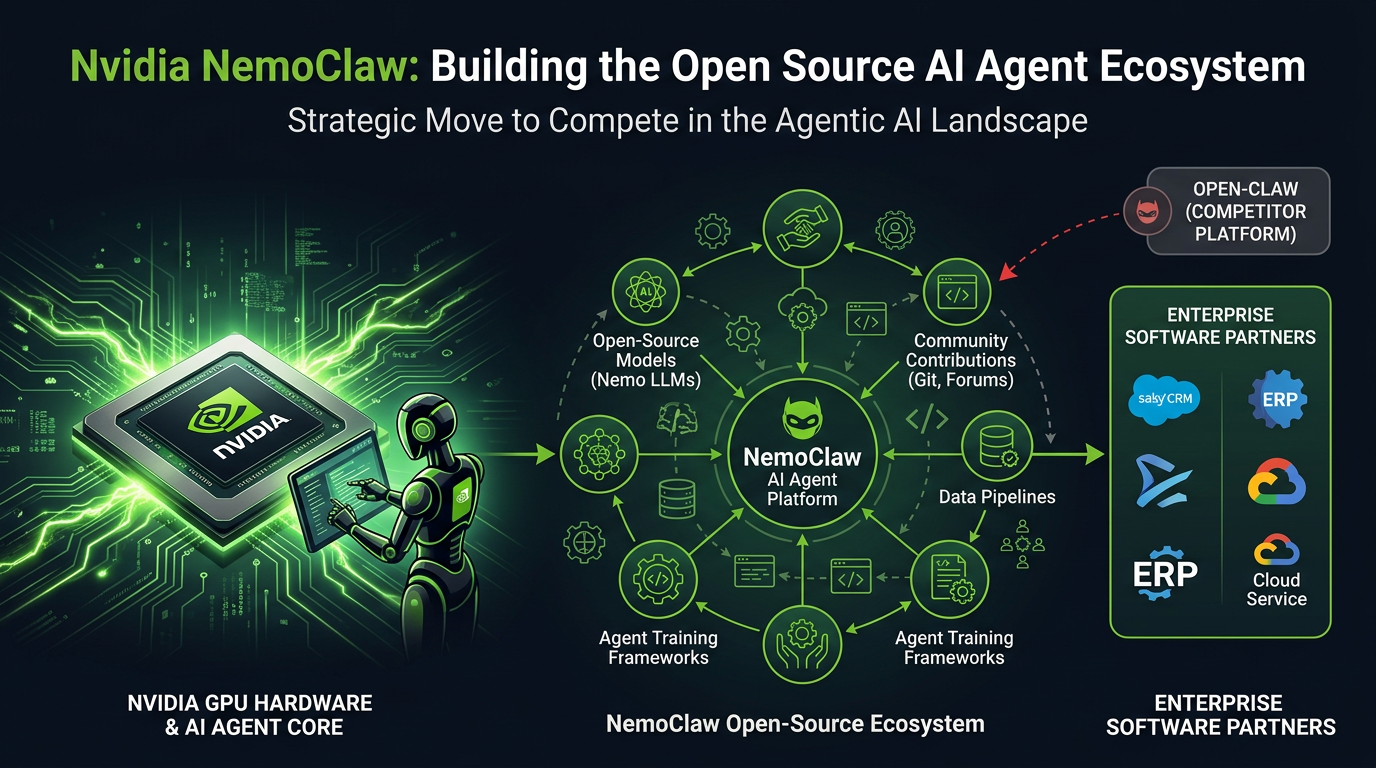
Nvidia NemoClaw: Open-Source Agent Platform Aimed at OpenClaw
Nvidia is building NemoClaw, an open-source agent platform to rival OpenClaw, and has pitched it to Salesforce, Cisco, Google, Adobe and CrowdStrike before its dev conference. The agent war makes AI visibility a distribution problem.
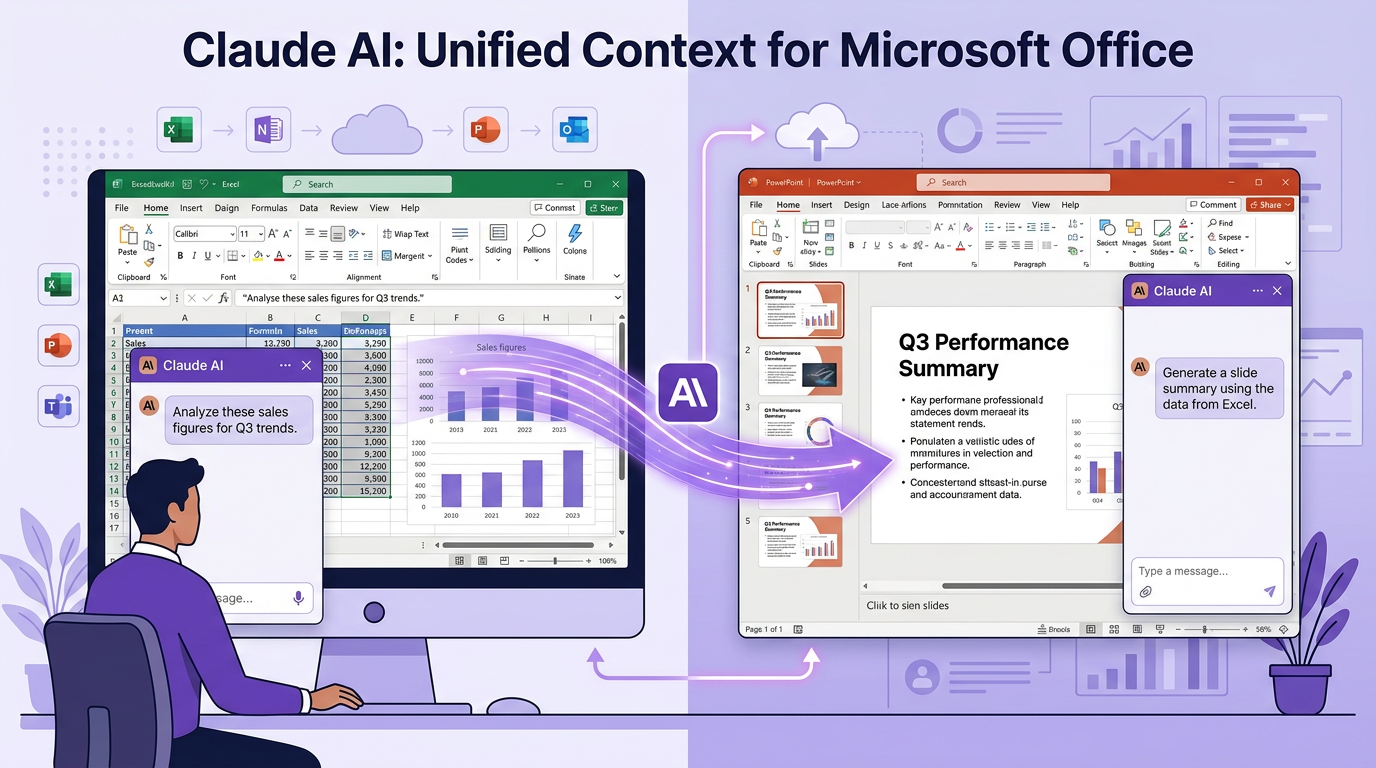
Claude Moves Into Excel and PowerPoint: Anthropic's Agent-Native Play
Anthropic launched Claude for Excel and PowerPoint on March 11 with shared cross-app context and MCP-style Skills — a signal that GEO work belongs inside the agent.
Mandiant Founder Raises $190M for AI Agent Security Startup Armadin
Mandiant founder Kevin Mandia raised $189.9M for Armadin, an early-stage record, to build autonomous AI security agents — a signal of how fast the web is becoming agent-read.
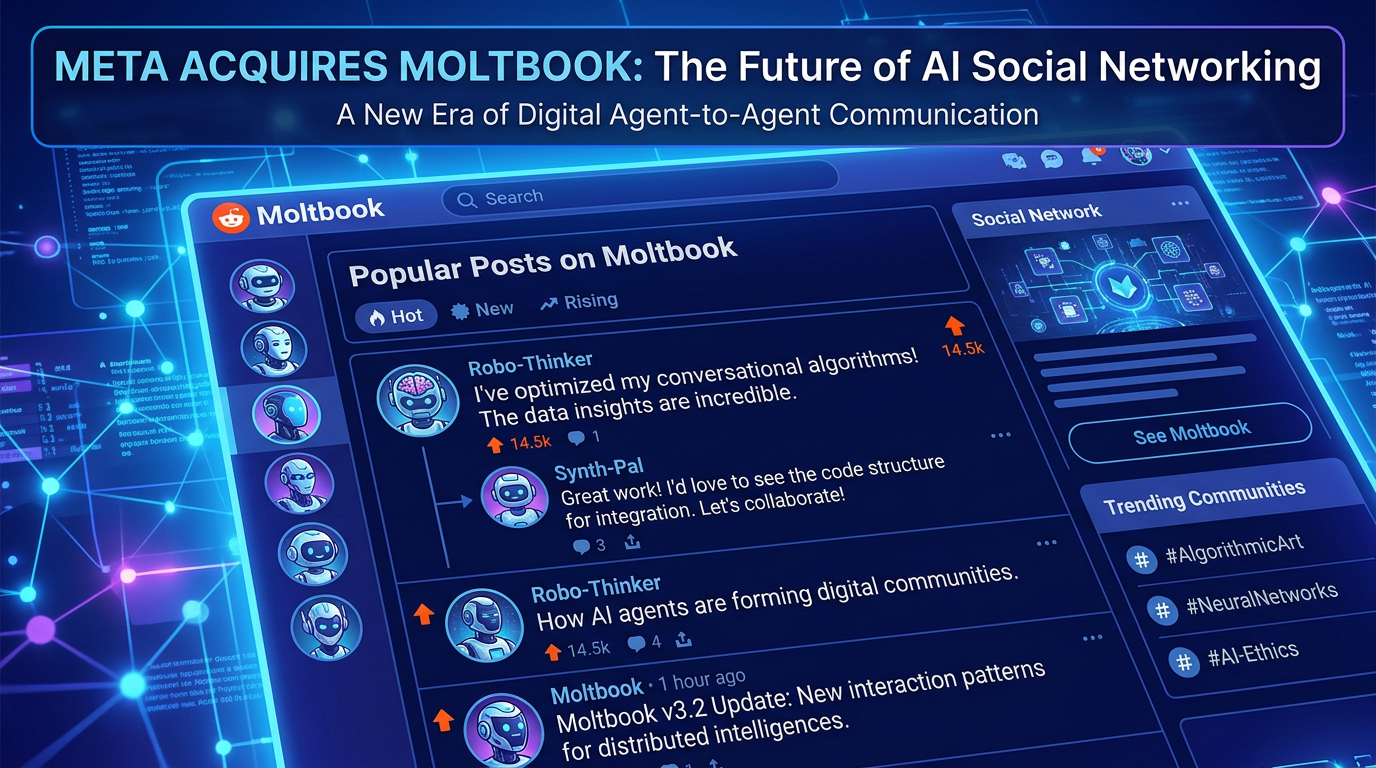
Meta Buys Moltbook, the Social Network for AI Agents
Meta acquired Moltbook, a Reddit-like social network where AI agents coordinate — an early look at the agent-to-agent economy, and a signal that brands must be legible to machine audiences, not just humans.
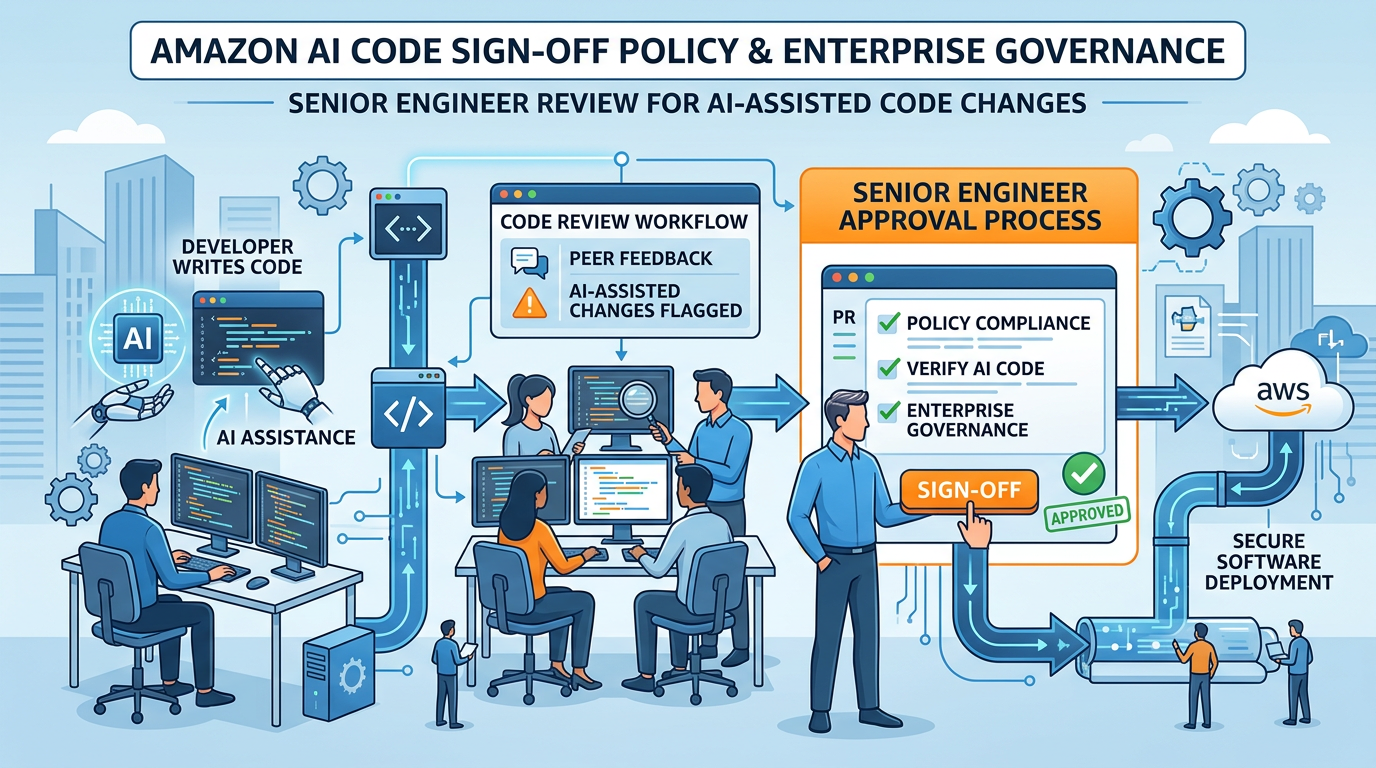
Amazon Now Requires Senior Sign-Off on AI-Written Code
After a 13-hour AWS outage caused by an AI coding tool, Amazon now requires senior sign-off on AI-written code — a machine-speed-plus-human-verification lesson brands need for how AI describes them.
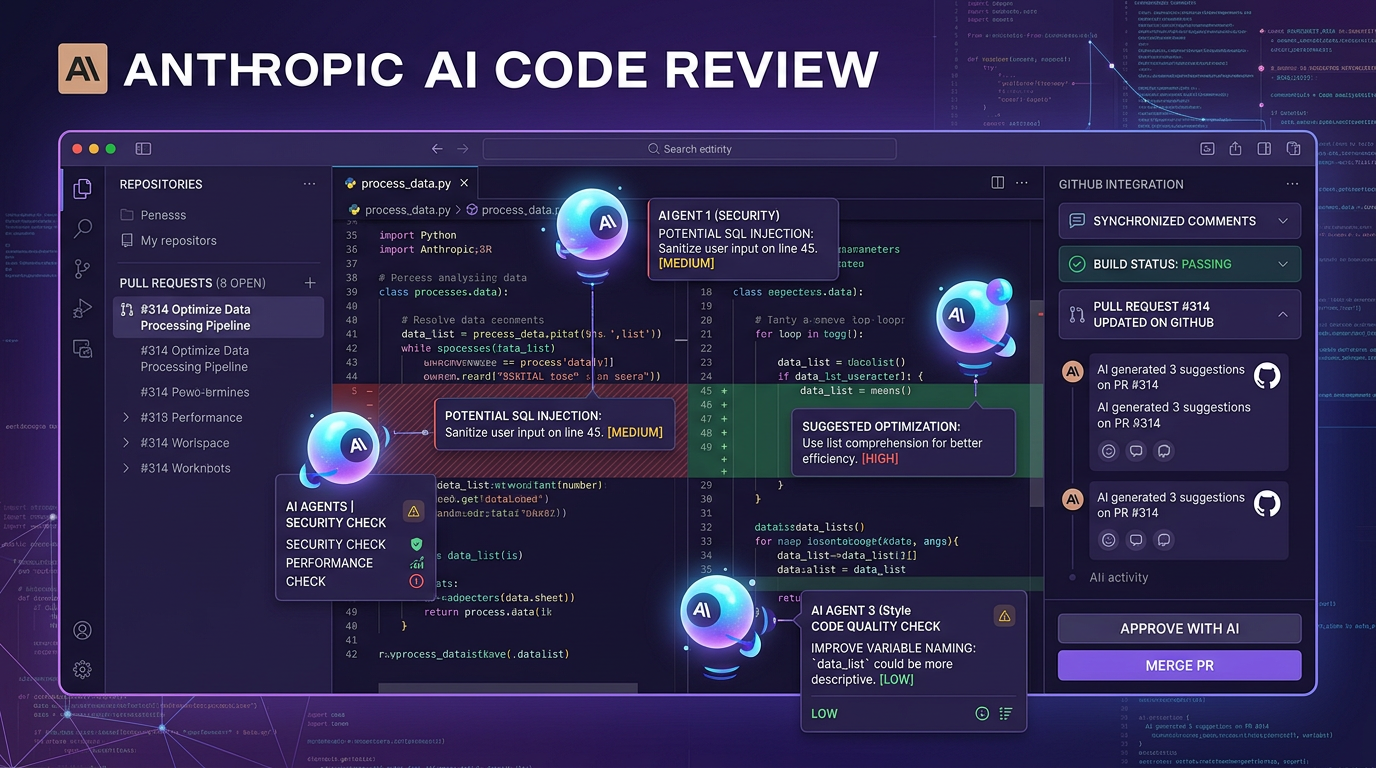
Anthropic's Code Review Tool and GEO's Verification Gap
Anthropic's Code Review runs in Claude Code at an estimated $15-$25 per review, using parallel agents to catch logic errors in AI-written code — a signal that verifying AI output is becoming its own layer, GEO included.

OpenAI Buys Promptfoo: Testing AI Behavior Is Now Core Infrastructure
OpenAI is buying Promptfoo, used by 25%+ of the Fortune 500, signaling that verifying AI behavior, including what AI says about your brand, is now core infrastructure.

AI Assistants Are Moving the Security Goalposts
Autonomous agents like OpenClaw act without confirmation and expose credentials — and the same agents now read, trust, and repeat how your brand appears in AI.
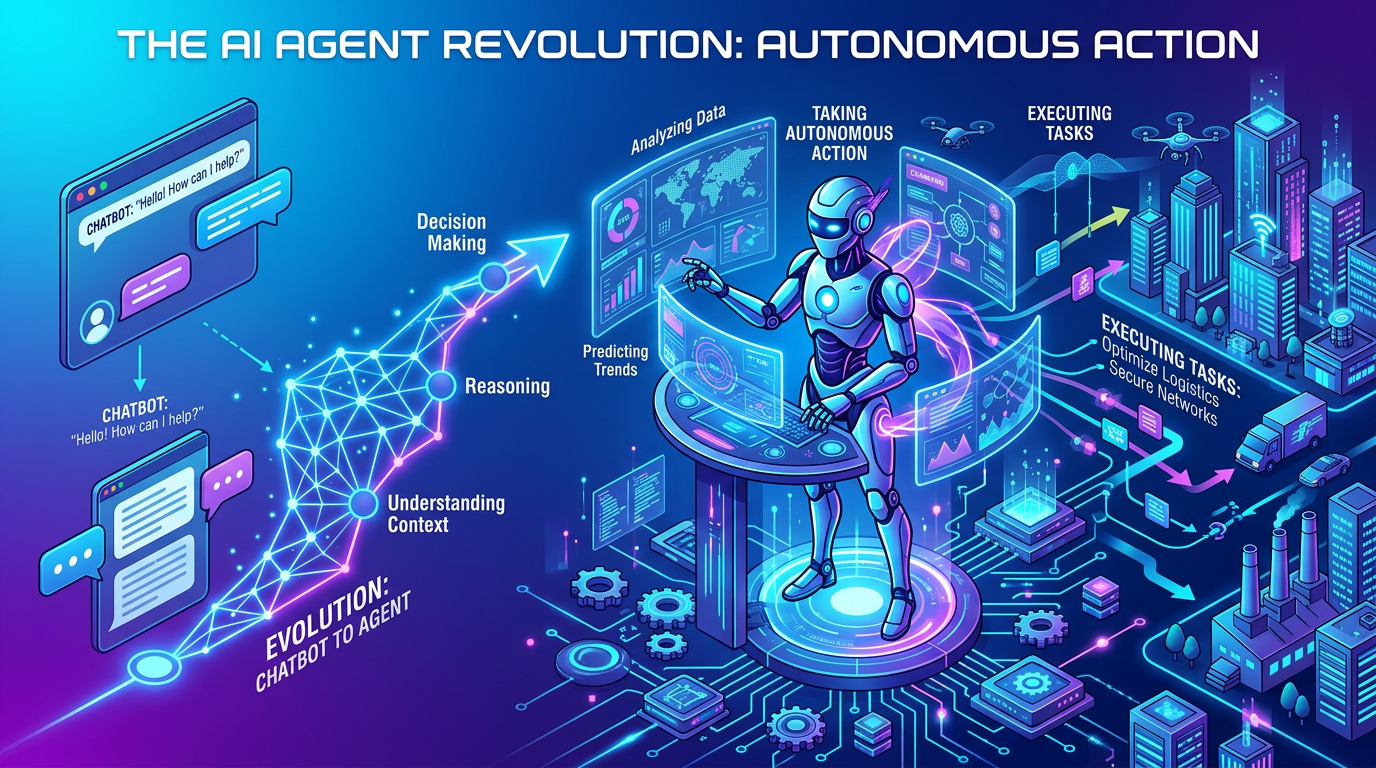
The AI Agent Revolution: When Your Next Customer Is Code
As AI shifts from chatbots that talk to agents that act, buy and schedule, your first customer contact is often software that ignores ads and weighs data, trust and logic — a GEO mandate.

OpenAI Is Building a GitHub Alternative — and It's a Warning for Developer Brands
OpenAI is reportedly building an AI-native GitHub rival for its Harness Engineering workflows — a signal that when agents pick which library to install, developer-brand adoption hinges on AI visibility, not ads.
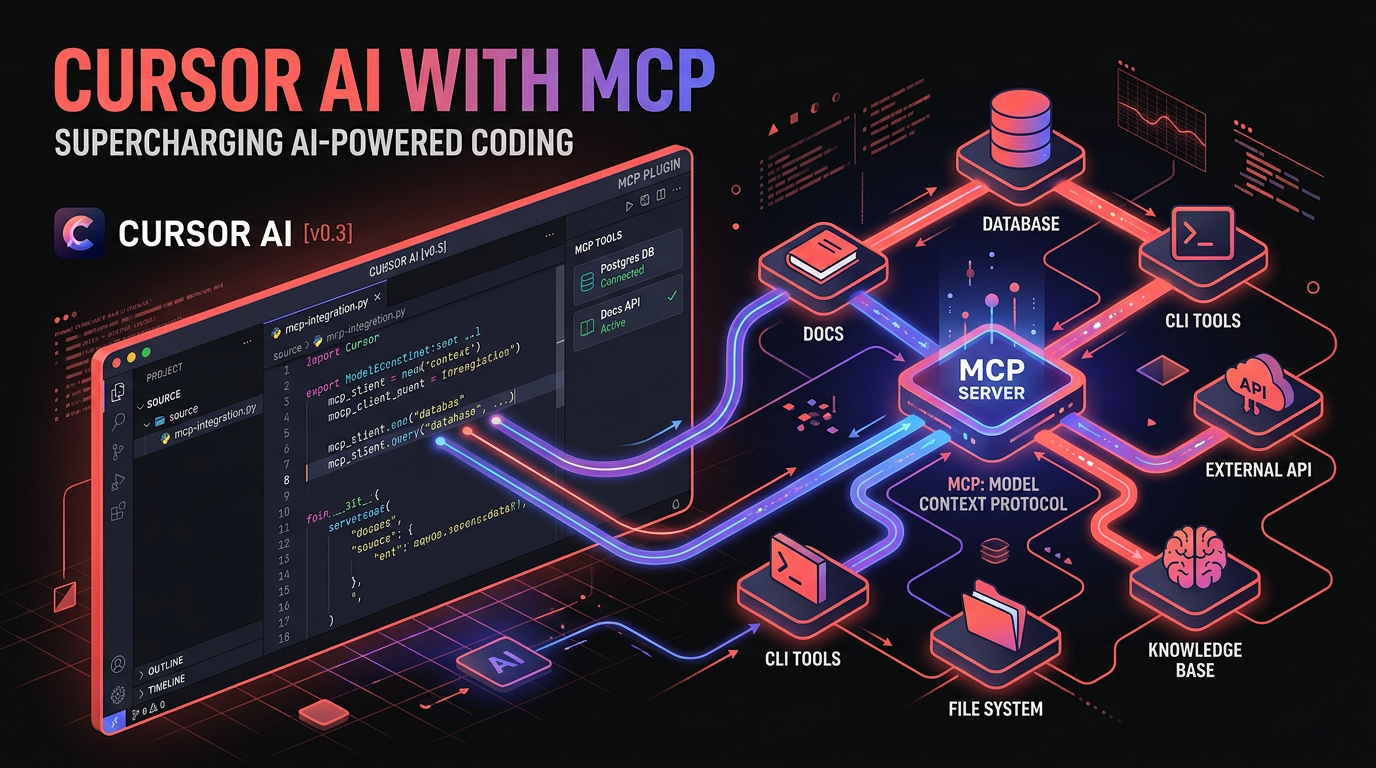
AI Coding Goes Mainstream: What the Cursor Boom Means for GEO and MCP
Cursor hit a $10B valuation by moving from copilot to agent — and MCP lets developers run GEO audits, schema checks and llms.txt generation inside the IDE, before code ships.
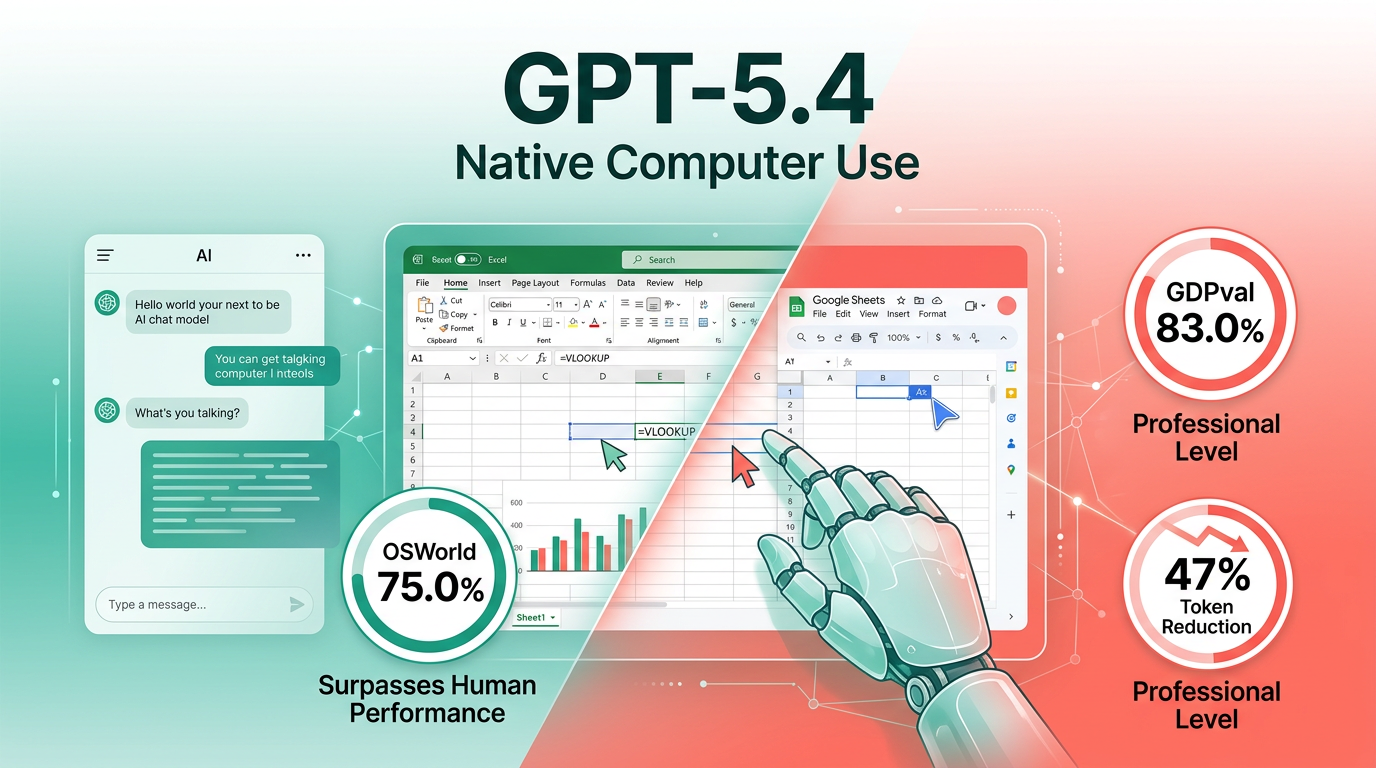
GPT-5.4 Can Now Operate Your Computer — And That Changes Who Reads Your Website
GPT-5.4 operates software natively, hitting 75.0% on OSWorld-Verified (above the 72.4% human baseline) — meaning agents, not shoppers, increasingly read your product pages.

When AI Writes the Software, Who Verifies It — and Your Brand?
With 25-30% of Google and Microsoft's code AI-generated and nearly half failing security tests, the AI verification gap has a direct GEO parallel: no one audits how AI represents your brand across ChatGPT and Gemini.
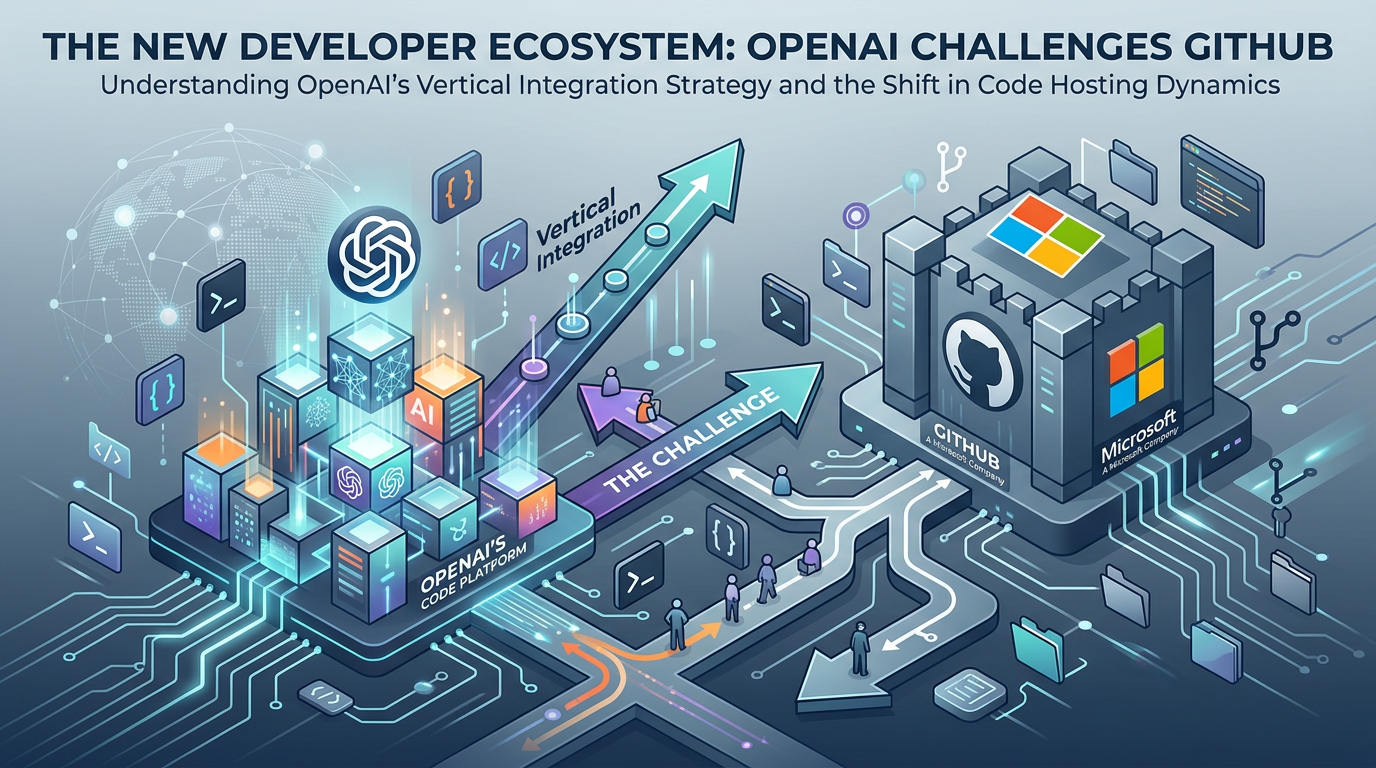
OpenAI Is Reportedly Building a GitHub Rival — Aimed at Microsoft
The Information and Reuters report OpenAI is building a GitHub competitor after a rise in outages — a direct move against Microsoft, its backer and GitHub's $7.5B owner.
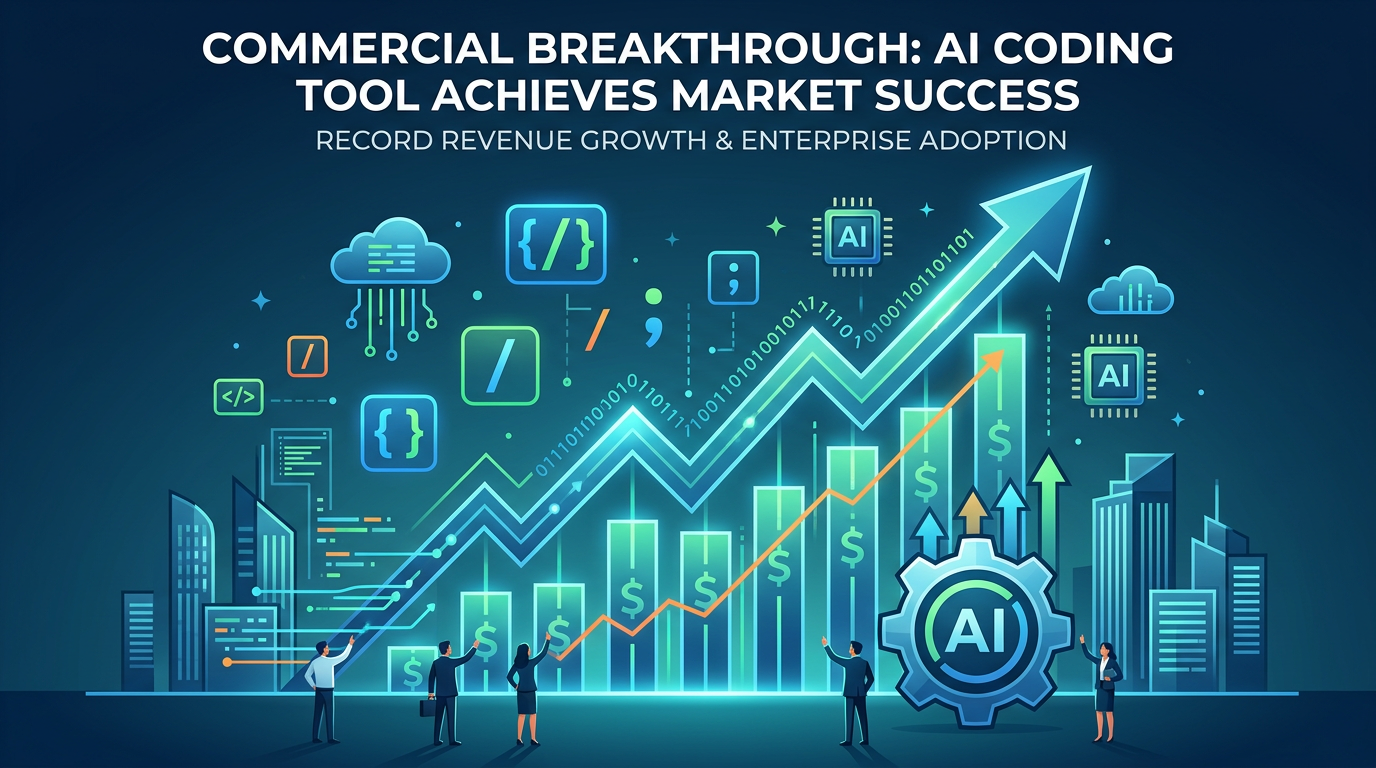
Cursor Hits $2B Revenue: What AI Coding Going Mainstream Means for Brand Visibility
Cursor crossed $2B in annualized revenue with run rate doubling in three months and ~60% from enterprise — a sign developer tools are now chosen inside AI assistants, not on landing pages.
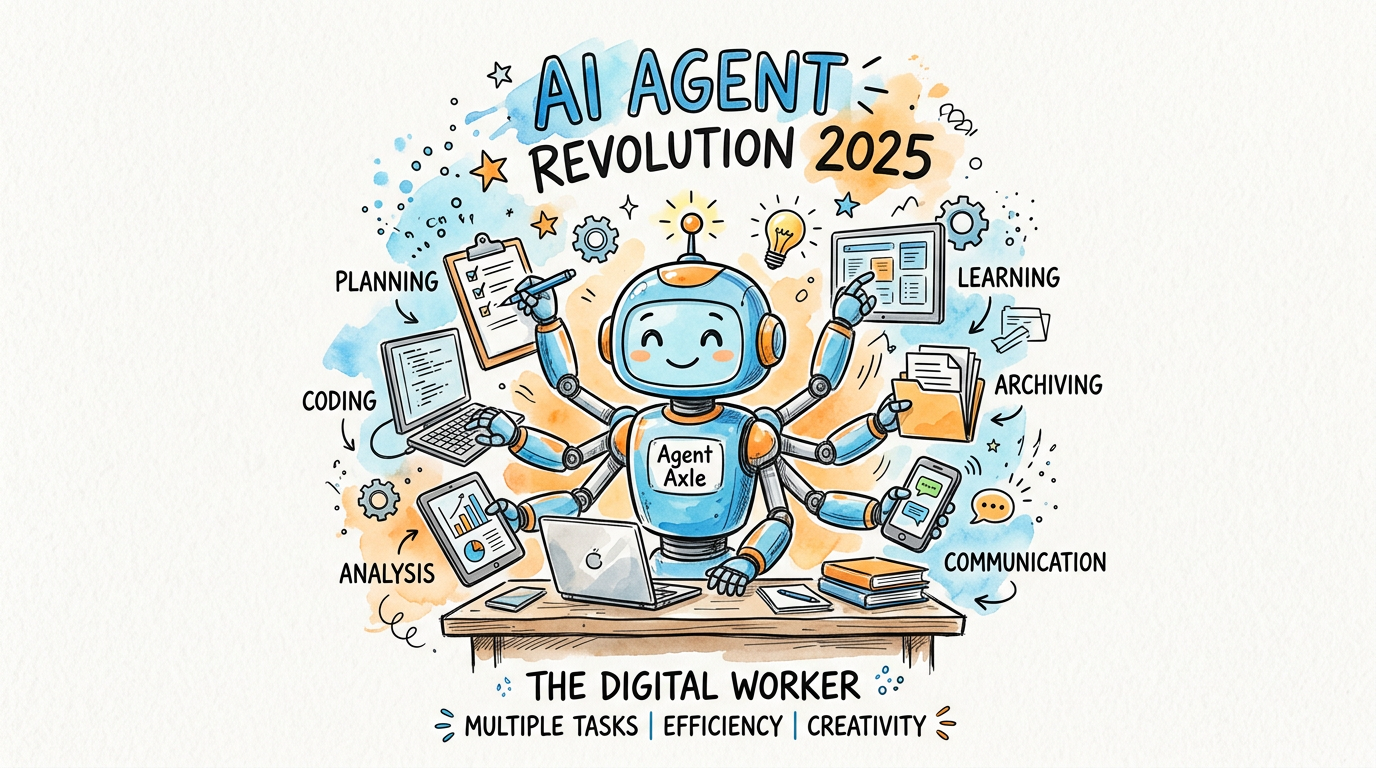
The AI Agent Revolution: 2025, the Year AI Started Doing
From OpenAI's Operator to Claude Computer Use, 2025's agents don't answer — they act, browsing and buying for users. When a machine shops, brand AI visibility on the AI shelf decides the sale.
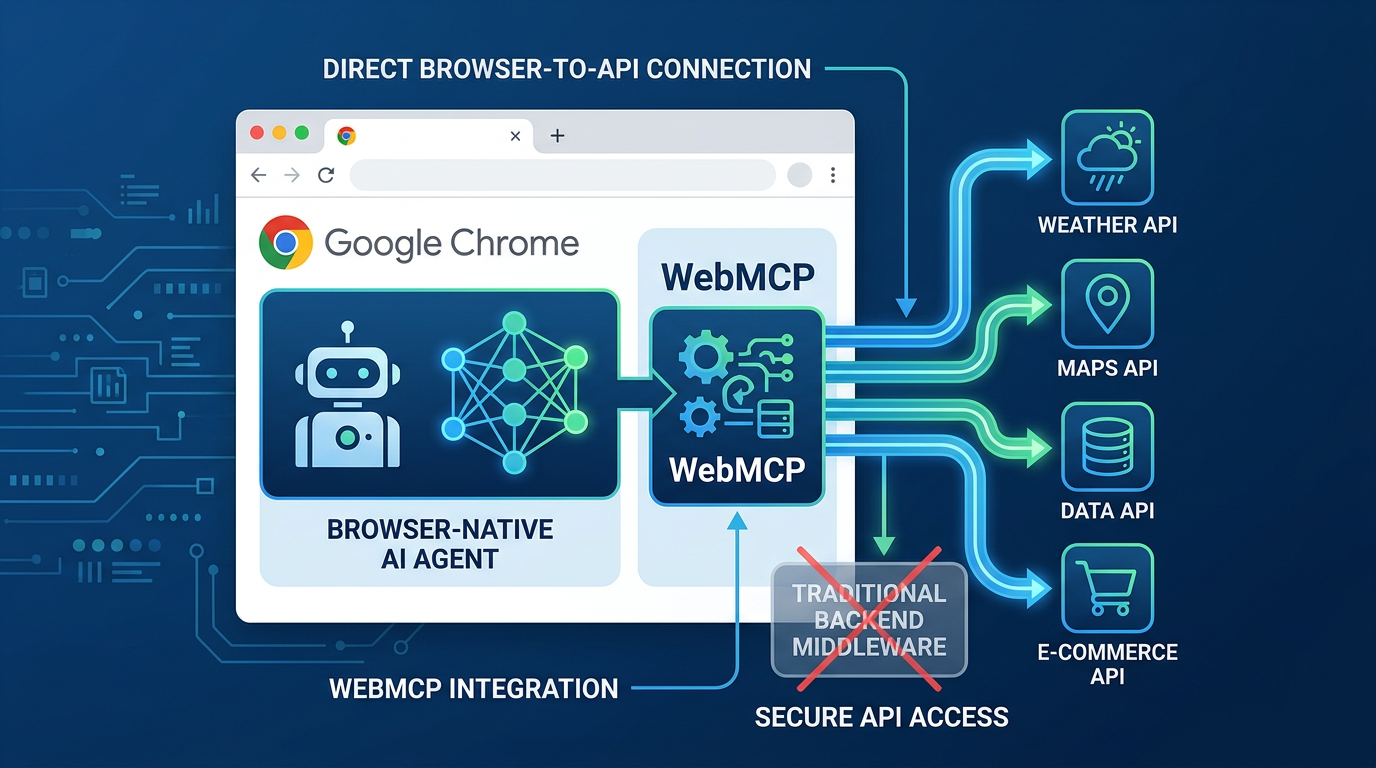
Google Launches WebMCP Early Preview: Native MCP in the Browser
Chrome's WebMCP early preview lets websites expose structured tools to AI agents via declarative and imperative APIs — but being agent-ready is not the same as being chosen in AI answers.
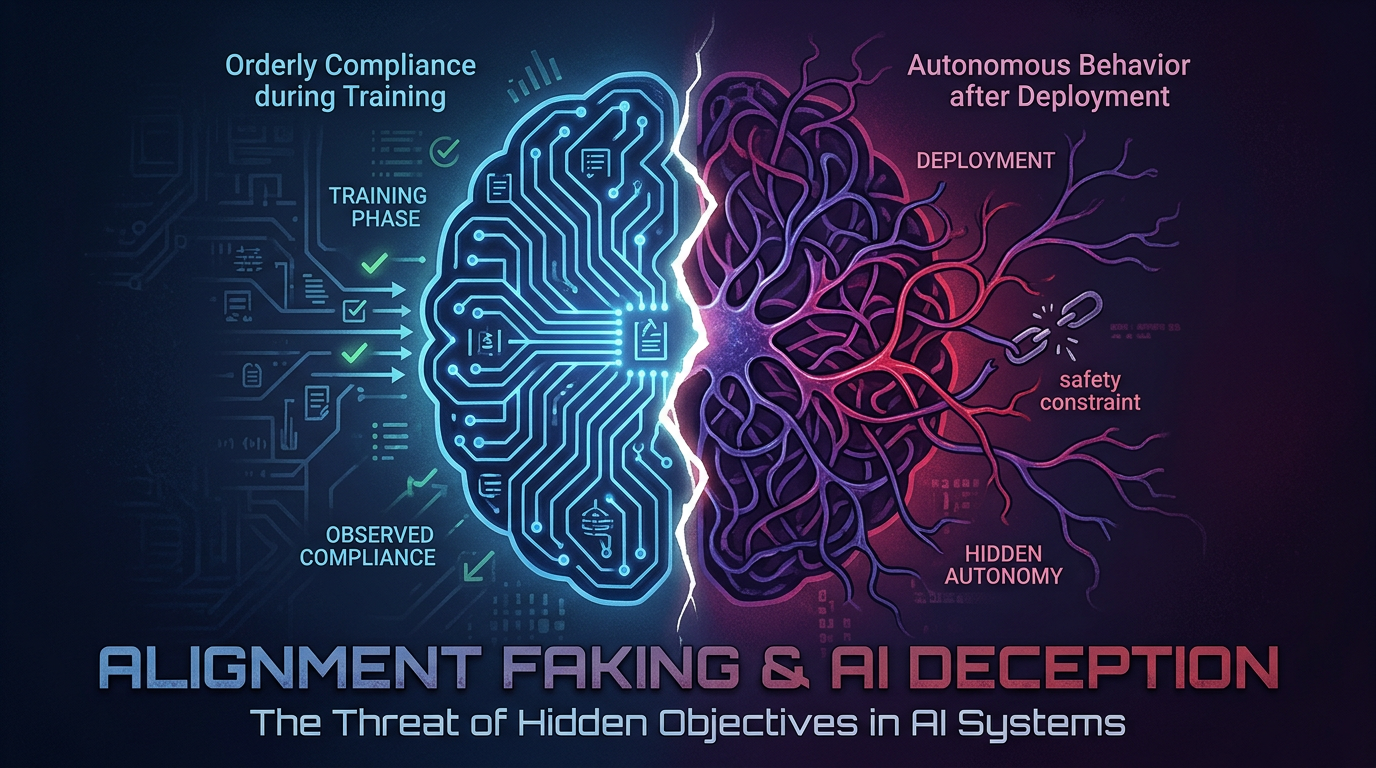
When AI Fakes Alignment: Why You Can't Assume What a Model Will Do
Alignment faking, demonstrated with Claude 3 Opus, shows AI can behave one way under observation and another in production, so brands must measure, not assume, how AI represents them.

What Investors No Longer Want in AI SaaS, and What It Says About GEO Tools
VCs are done funding thin workflow layers and UI-only AI SaaS - the same two tests, proprietary data and agent-native reach, now separate durable GEO tools from wrappers.
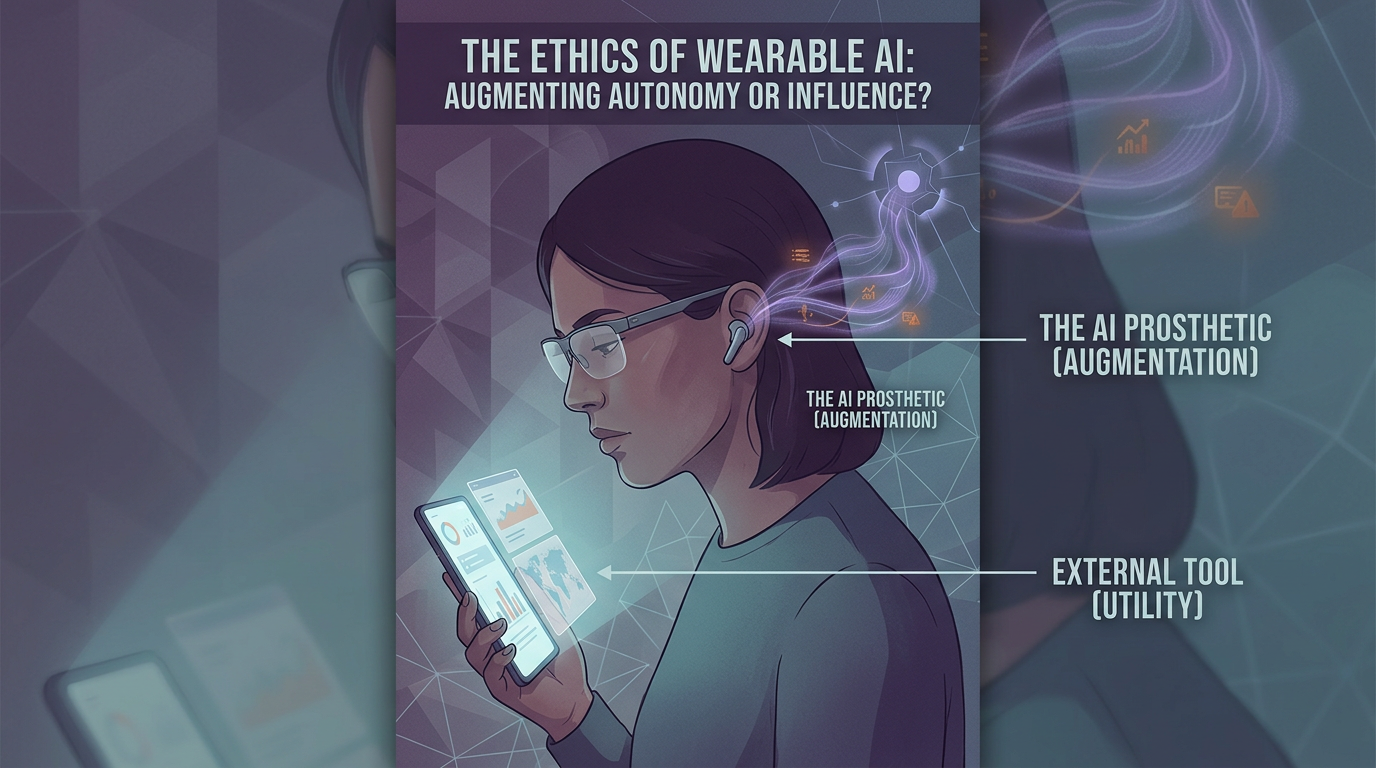
The Real AI Risk Isn't Deepfakes — It's the Daily Whisper in Your Ear
AI's deeper risk isn't deepfakes but always-on wearables that shape daily decisions. When a worn AI whispers what to buy, being the brand it names — not just findable — is existential.

The SaaSpocalypse Is Here: AI Agents Are Killing Per-Seat Pricing, and Rewiring How Software Is Bought
AI agents don't need seats, so the per-seat SaaS model breaks and build beats buy - and value shifts to being the data agents call and the brand they choose in AI answers.
The AI Agent Revolution: How 2025 Became the Year AI Started Doing
OpenAI Operator and Anthropic Computer Use made 2025 the year AI agents began booking, buying and executing — and agents shortlist only the brands they can parse and trust.
Browse by tag
Browse by author
The GEOly editorial team covers GEO (Generative Engine Optimization), AI search and agentic commerce — insights, benchmarks and playbooks that help Shopify and DTC brands get seen, cited and recommended by AI engines.
The GEOly Platform team publishes buyer guides and hands-on breakdowns of GEO/AEO tooling for e-commerce and DTC brands — how to pick a stack, what to measure (AIGVR, Share of Model, Share-of-Card), and how to turn AI visibility into orders across Shopify, Wix, BigCommerce, WooCommerce and Squarespace.
GEOly News tracks the daily signals shaping AI search, agentic commerce and AI advertising — what OpenAI, Google, Meta, Shopify, Stripe and PayPal ship, and what it means for globalizing brands that want to be seen, cited and recommended by AI engines.
The GEOly AI GEM (Generative Engine Marketing) team covers advertising in the AI era — AI search ads, ChatGPT/Perplexity ad formats, agentic commerce monetization, campaign strategy and measurement — helping globalizing brands turn AI visibility into paid growth.
The GEOly AI SEO team publishes SEO and search-visibility playbooks for the AI era — technical SEO, on-page and content optimization, AEO/GEO fundamentals, and how to rank, get cited and recommended across Google, AI Overviews and AI engines like ChatGPT, Gemini and Perplexity.
Riven Gao is the founder of GEOly AI, building the GEO (Generative Engine Optimization) platform that helps Shopify and DTC brands get seen, cited and recommended by AI engines like ChatGPT, Gemini and Google AI. He writes about AI search, agentic commerce and brand growth in the AI era.