The GEOly blog covers GEO (Generative Engine Optimization), AI search and agentic commerce — data-driven insights, benchmarks and playbooks on how brands get mentioned, cited and recommended across ChatGPT, Gemini, Perplexity and Google AI. Browse every topic by tag or author below.
All Posts
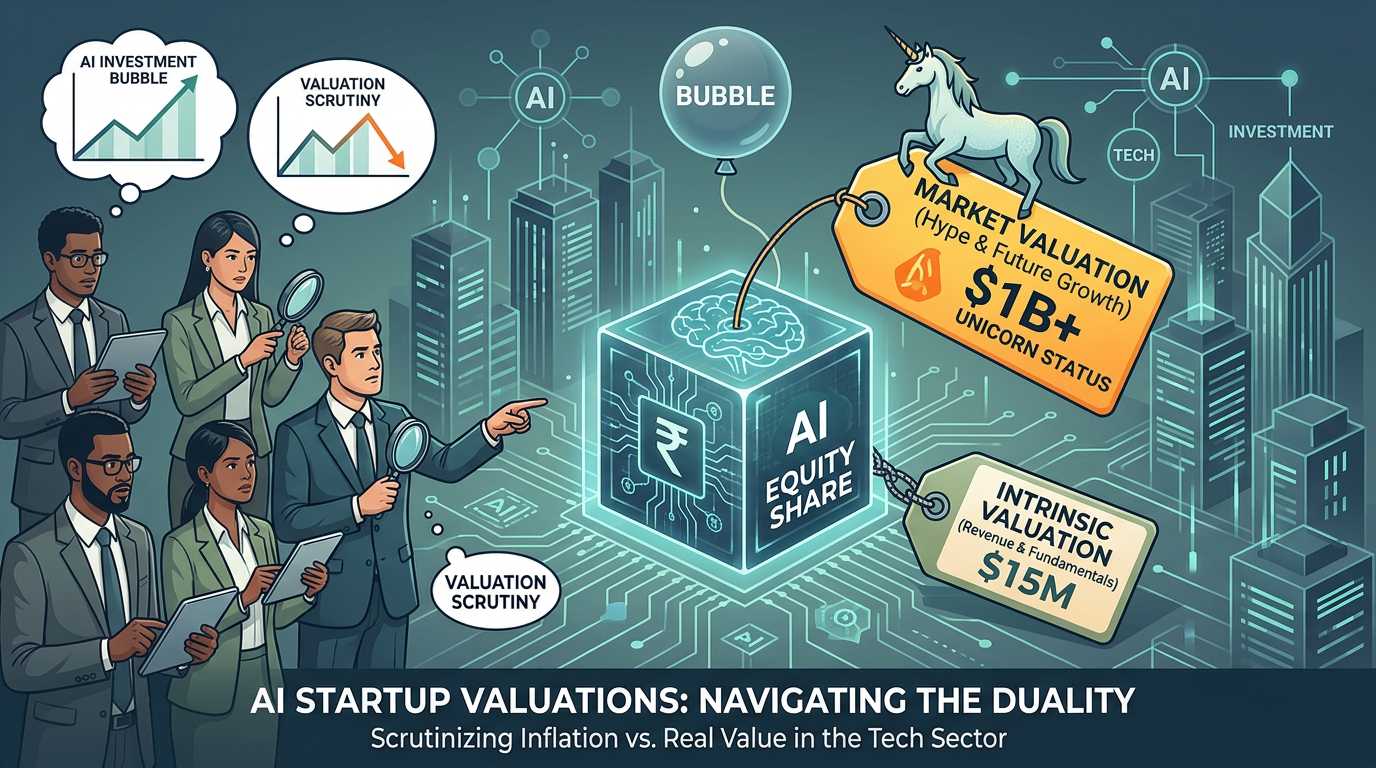
One Equity, Two Prices: The Unicorn Trick and the Vanity-Metric Trap
AI startups like Aaru and Serval sell equity at two prices for a unicorn headline; the same headline-vs-reality gap is the vanity-metric trap brands fall into with AI visibility.

Alibaba's Qwen Tech Lead Steps Down 24 Hours After Qwen3.5 Launch
Junyang Lin left Alibaba's Qwen team ~24 hours after Qwen3.5 shipped and drew Musk's praise. For GEO, the signal is engine diversity, not gossip.
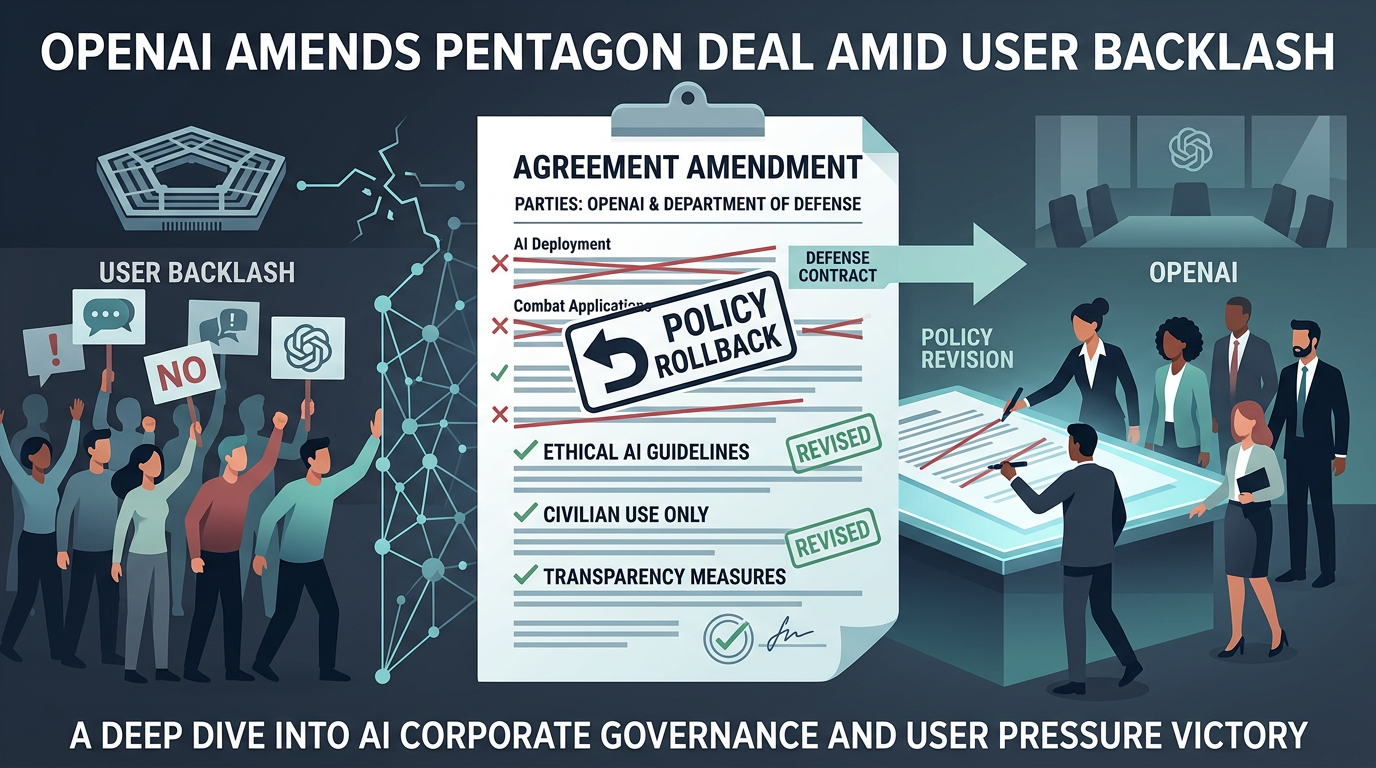
OpenAI Amends Its Pentagon Deal After Backlash, and Sam Altman Admits It Looks Sloppy
A 295% uninstall spike forced OpenAI to amend its Pentagon deal in days - proof perception is a fast, measurable variable, and why brands must watch how AI describes them.
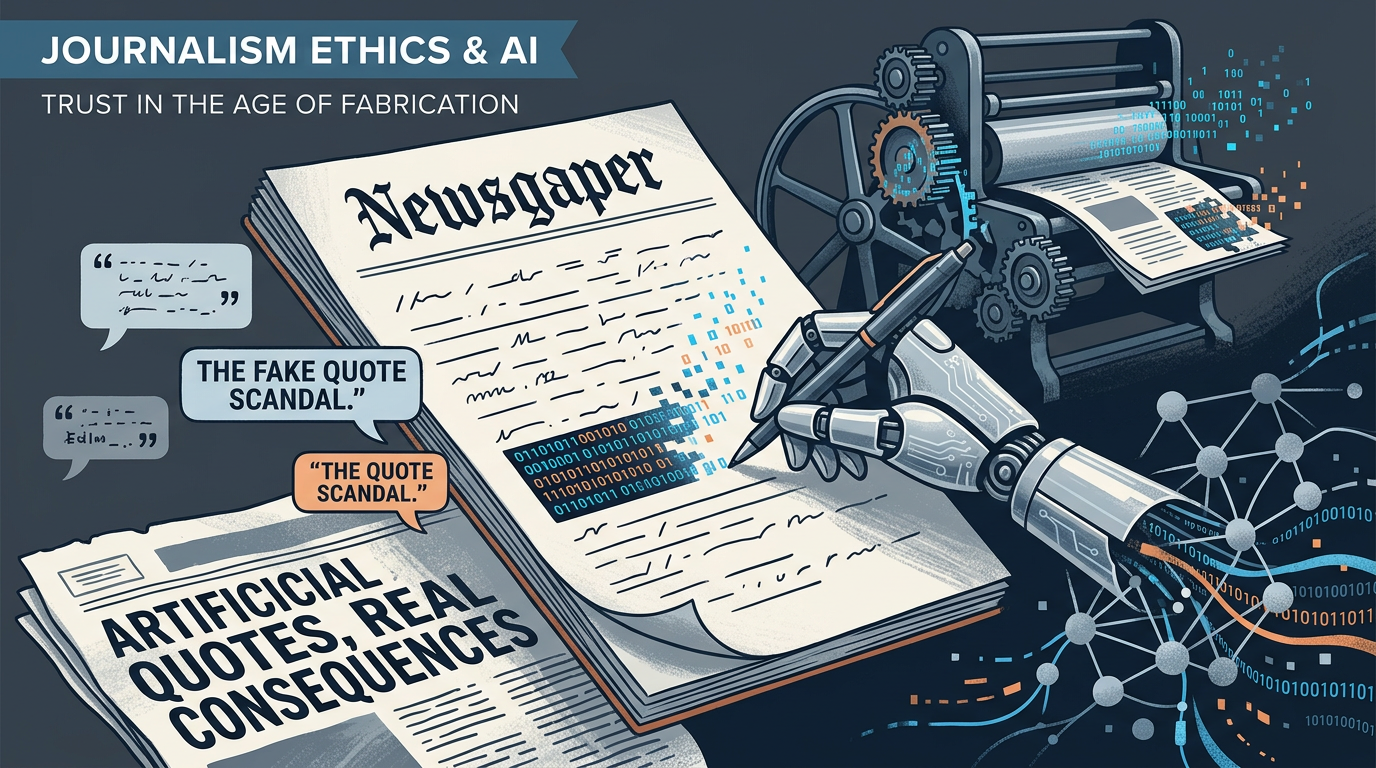
Ars Technica Fires Reporter Over AI Fake Quotes: What It Means for GEO
Ars Technica's firing over AI-fabricated quotes shows how distorted sources propagate into AI answers — making citation integrity a brand GEO and reputation concern.

Cursor Hits $2B Revenue: What AI Coding Going Mainstream Means for Brand Visibility
Cursor crossed $2B in annualized revenue with run rate doubling in three months and ~60% from enterprise — a sign developer tools are now chosen inside AI assistants, not on landing pages.
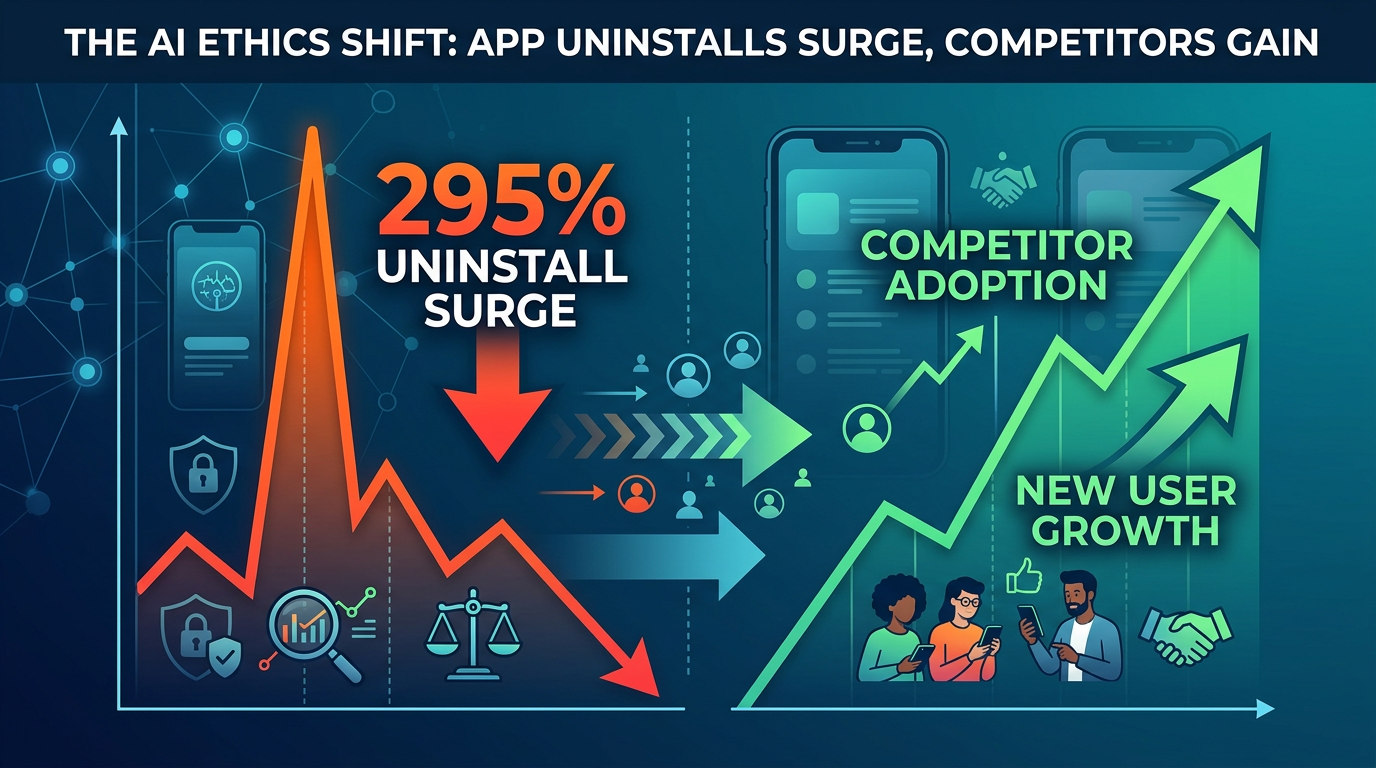
ChatGPT Uninstalls Surge 295% After Pentagon Deal as Users Flee to Claude
ChatGPT uninstalls spiked 295% and Claude hit No.1 in one weekend - proof AI users switch assistants on values, and why brand visibility can't be a single-engine bet.