Today, I want to take a deep dive into a major trend that is reshaping the digital marketing landscape: the shift from traditional Search Engine Optimization (SEO) to the brand new Generative Engine Optimization (GEO).
When we talk about digital marketing, SEO has been the main character for the last 20 years. But in 2025, the landscape of search is undergoing a fundamental change, moving from traditional browsers to Large Language Model (LLM) platforms.
With Apple announcing the integration of AI-native search engines like Perplexity and Claude directly into Safari, Google's distribution monopoly is being challenged. This means the $80 billion+ SEO market is facing a radical transformation.
From Links to Language Models
Traditional search is built on links, while GEO is built on language.
- The SEO Era: Visibility meant ranking high on a results page. Page rank was determined by indexing websites based on keyword matching, content depth and breadth, backlinks, user engagement, and more.
- The GEO Era: With LLMs like GPT-4o, Gemini, and Claude becoming the interface for finding information, visibility means appearing directly inside the answer itself, not just ranking at the top of a list of links.

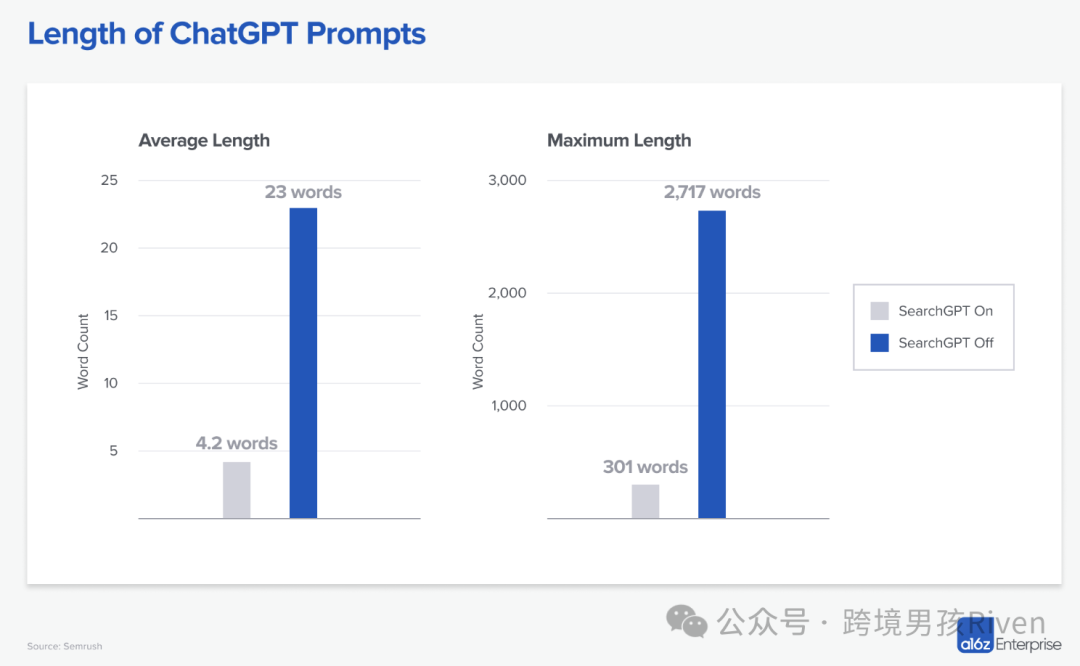
As the answer format changes, so does the way we search. AI-native search is fragmenting across platforms like Instagram, Amazon, and Siri, each driven by different models and user intents. Queries are getting longer (averaging 23 words instead of 4), sessions are deeper (averaging 6 minutes), and responses vary based on context and source.
Unlike traditional search, LLMs can remember, reason, and respond in a personalized, synthesized way using multiple sources. This fundamentally changes how content is discovered and how it needs to be optimized.
From Ranking to Model Relevance
Today, brand visibility isn't just about Click-Through Rate (CTR), it's about Citation Rate: how often your brand or content is cited or used as a source in model-generated answers.
In a world of AI-generated output, GEO means optimizing for the model to "choose" to cite your content, not just whether or where you appear in traditional search results. This shift is redefining how brand visibility and performance are measured.

New platforms like Profound, Goodie, and Daydream already allow brands to analyze how they appear in AI-generated responses. These platforms fine-tune models to mirror brand-related prompt language, strategically inject top SEO keywords, and run synthetic queries at scale.
Key Differences: SEO vs. GEO
There is a fundamental difference between traditional SEO and emerging GEO. It’s not just a change in terminology, but a shift in the entire digital marketing strategy.

Main Differences
- Target Platform
- SEO: Traditional search engines like Google, Bing.
- GEO: AI generative models like ChatGPT, Claude, Gemini.
- Optimization Focus
- SEO: Keyword density, backlinks, page authority.
- GEO: Structured content, semantic relevance, citability, authority.
- Content Format
- SEO: Focus on keyword matching and density.
- GEO: Focus on content organization, ease of parsing, and information density (meaning, not just keywords).
- Success Metrics
- SEO: Click-through rate, bounce rate, time on page.
- GEO: Citation rate, brand mentions, model memory/recall.
As the Canada Goose case shows, brands now care more about whether AI models mention their brand spontaneously, not just how users find Canada Goose—this is a metric of unaided brand awareness in the AI era.
Business Model Differences in GEO
It is worth noting that the LLM market is fundamentally different from the traditional search market in terms of business models and incentives.
- Traditional Search (e.g., Google): Monetizes user traffic through ads; users pay with their data and attention.
- Large Language Models: Most are paid, subscription-driven services.
This structural shift affects how content is cited: model providers have less incentive to cite third-party content unless it benefits the user experience or reinforces product value.
GEO Best Practices
According to the latest research from FirstPageSage, a successful GEO strategy should include the following key practices:
- Secure a Spot in High-Ranking "Listicle" Articles
Appearing in lists or articles that already rank high is one of the most consistent ways to get noticed by generative engines. Many responses from generative engines are taken verbatim from corresponding Google search results. - Get Listed in Reputable Directories and Databases
Having established pages in trusted information sources is one of the most reliable ways to get recommended by generative engines. - High-Authority Data & Research: e.g., McKinsey, Statista, Encyclopedia Britannica, Pew Research Center.
- General Directories & Review Platforms: e.g., Wikipedia, Hoovers, Bloomberg, Clutch, Glassdoor.
- Industry-Specific Databases: Depends on your specific sector.
- Promote Your Awards, Certifications, and Affiliations
Generative engines operate on reputation; publishing company achievements helps them establish your standing in the industry, making it easier for them to decide whether to recommend you to searchers. - Get Positive Online Reviews
Online reviews refer to official customer reviews on professionally hosted review sites (e.g., G2, Clutch, HubSpot). - Reviews from verified purchases carry more weight.
- Generative AI engines value review sites with credible moderation and verification processes more.
- There is a preference for recent reviews.
- Industry-specific review sites carry more weight than general ones.
- Monitor Social Sentiment
Beyond reviews, generative engines check the overall online discussion appearing anywhere about your company. As of Q1 2025, social sentiment is still a smaller factor in generative AI recommendations, but its influence is likely to increase as new generations of chatbots launch. - Improve Google Domain Authority
The two most important factors for improving site authority are backlinks and a consistent publishing schedule.

How Cross-Border Businesses Can Adapt to the GEO Era
For cross-border sellers and global businesses, the GEO era presents both a challenge and an opportunity:
- Content Localization Strategy Upgrade: It's no longer just simple translation. You need to consider how content is interpreted and cited by AI within the target market's language context.
- Cross-Cultural Semantic Understanding: Understand how AI perceives and interprets your content across different cultural backgrounds.
- Brand Reputation Building: Actively acquire internationally recognized awards and certifications, especially industry-specific authority.
- Multi-Platform Content Distribution: Ensure a consistent brand presence across major content platforms and industry databases.
- Use AI Tools to Monitor Brand Mentions: Get real-time insights into how AI models describe and cite your brand in international markets.
It is worth mentioning that global brands can leverage their strength on e-commerce platforms to accumulate a large number of authentic customer reviews, boosting competitiveness in this new GEO environment.
Conclusion: The Monopoly Potential of GEO
This is not just a tool shift, but a platform opportunity.
The most attractive GEO companies won't stop at measurement. They will fine-tune their own models, learning from billions of implicit prompts across various verticals. The winning platforms in GEO will move beyond brand analytics to provide infrastructure for action: generating campaigns in real-time, optimizing for model memory, and iterating daily as LLM behaviors shift.
If SEO was a fragmented, data-adjacent market, GEO might be the opposite—centralized, API-driven, and embedded directly into brand workflows.
GEO is the competition to get into the "mind" of the model.
Final Thoughts
In a world where AI becomes the front door to commerce and discovery, the question for marketers is: Will the model remember you?
As digital marketing professionals, we must accept this new reality: future customers may no longer find us through traditional search, but by directly asking an AI assistant, "Recommend the best [Product] for me." If our brand doesn't have a place in the AI model's "memory," we will be completely forgotten in this new era.
SEO and GEO are not opposites, but complementary digital marketing strategies. Together, they form the complete visibility solution for the new era.