Tag: AI News
50 Beiträge50 Artikel mit dem Tag „AI News“ auf dem GEOly-Blog — Einblicke, Daten und Leitfäden zu AI News in der Ära der KI-Suche und wie Marken Sichtbarkeit über ChatGPT, Gemini und Perplexity gewinnen. Entdecken Sie unten weitere Themen und Autoren.
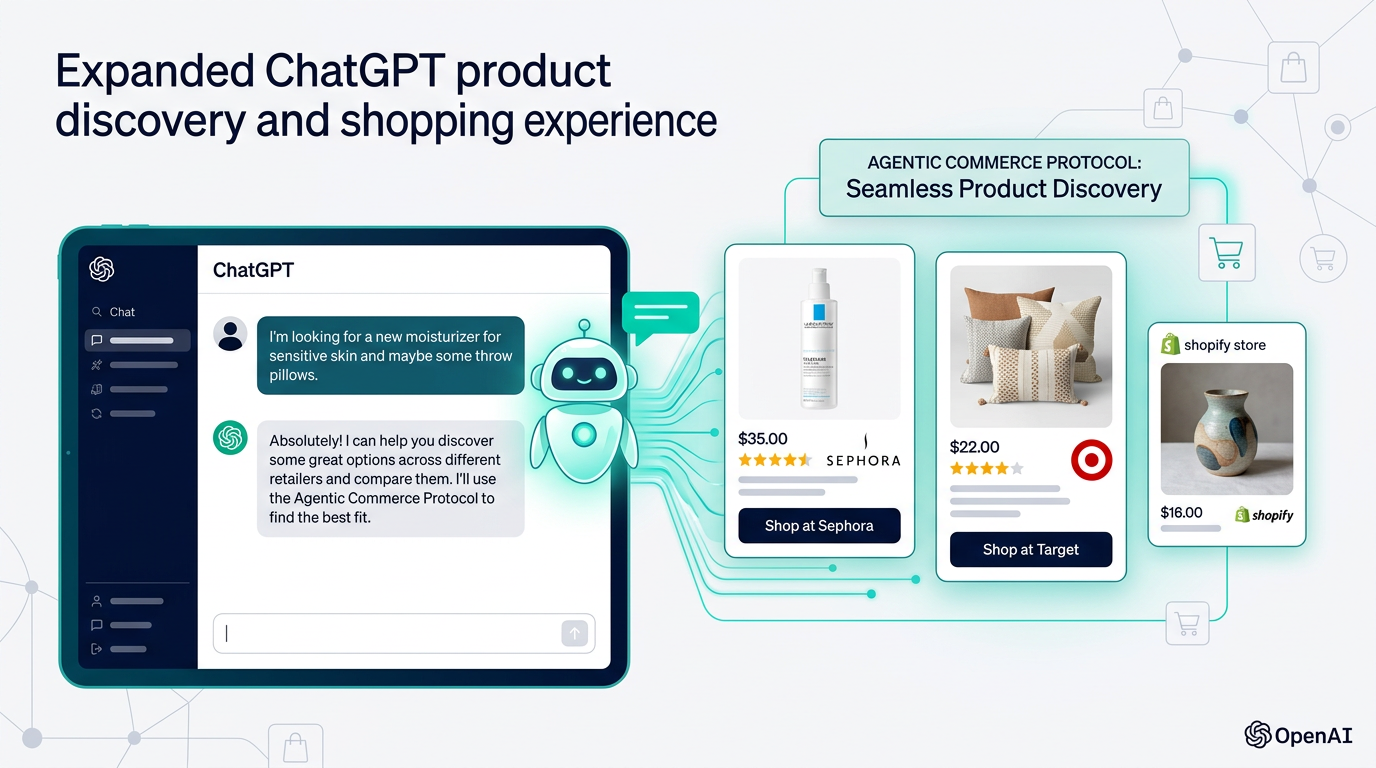
ChatGPT wird zur Shopping-Engine: OpenAIs ACP-Erweiterung und Ihre Marke
OpenAIs ACP-Erweiterung verwandelt ChatGPT in eine visuelle Shopping-Engine, und Shopify-Kataloge fließen bereits ein. Für DTC-Marken ist das Gewinnen der Produktkarte jetzt das Ziel.
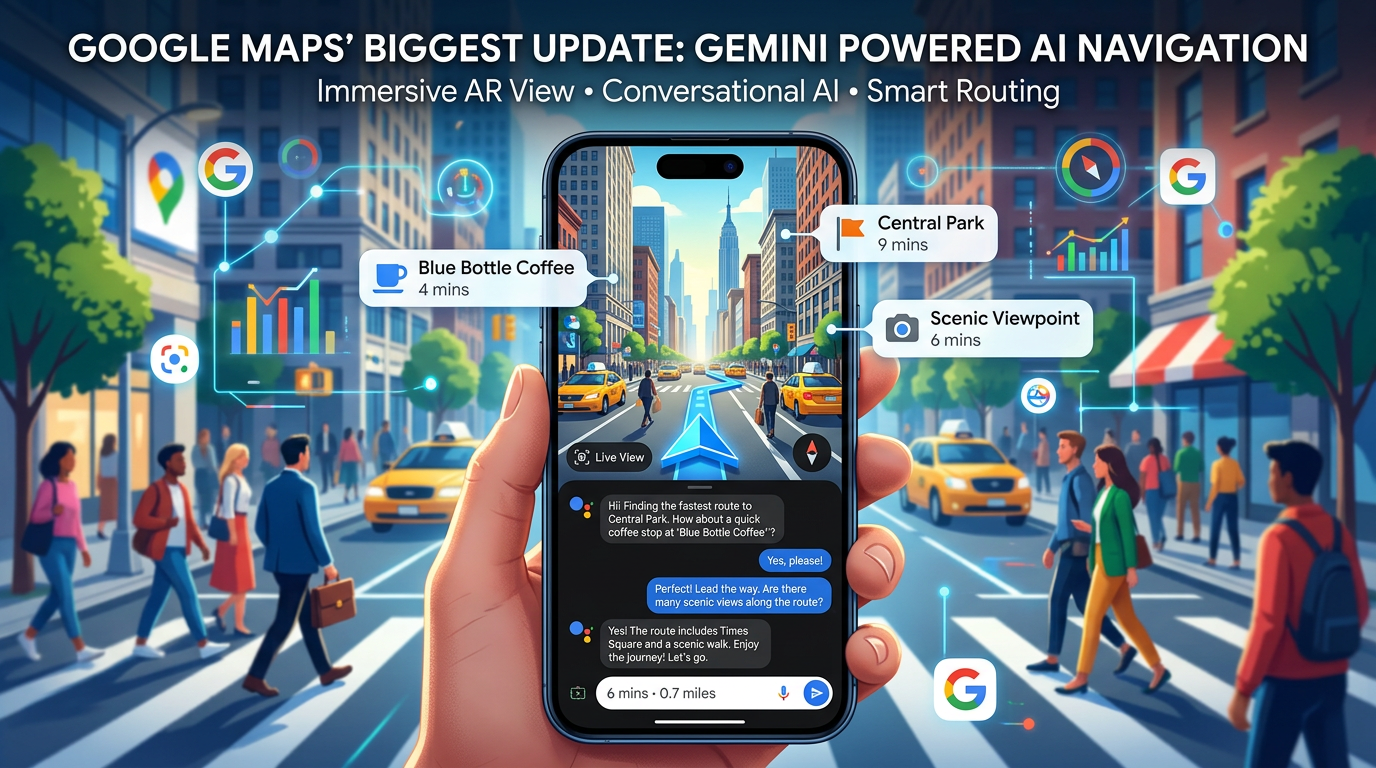
Google Maps wird konversationell: Gemini's Ask Maps und lokale Entdeckung
Gemini-gestütztes Ask Maps von Google Maps verwandelt die lokale Suche in ein KI-Empfehlungsproblem – Gemini entscheidet jetzt, welche Unternehmen eine Anfrage beantworten, sodass es wichtiger ist, die empfohlene Antwort zu sein, als in einer Liste zu ranken.
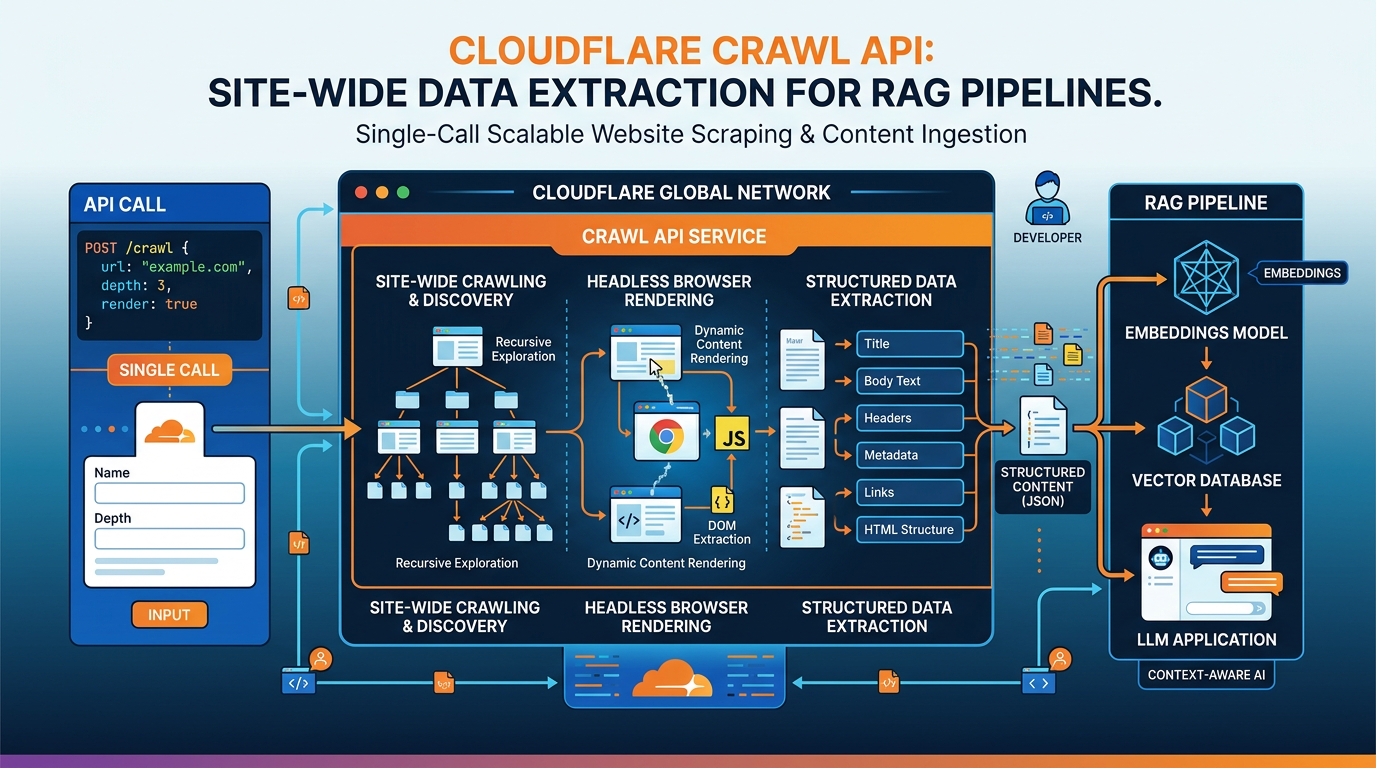
Cloudflares Crawl-API verwandelt jede Website mit einem einzigen Aufruf in LLM-bereite Daten
Cloudflares Crawl-API verwandelt eine gesamte Website mit einem einzigen API-Aufruf in sauberes, LLM-bereites Markdown — eine Infrastruktur zur Versorgung von KI und eine Erinnerung daran, dass crawlbare Seiten entscheiden, ob KI Ihre Marke aufnehmen und zitieren kann.
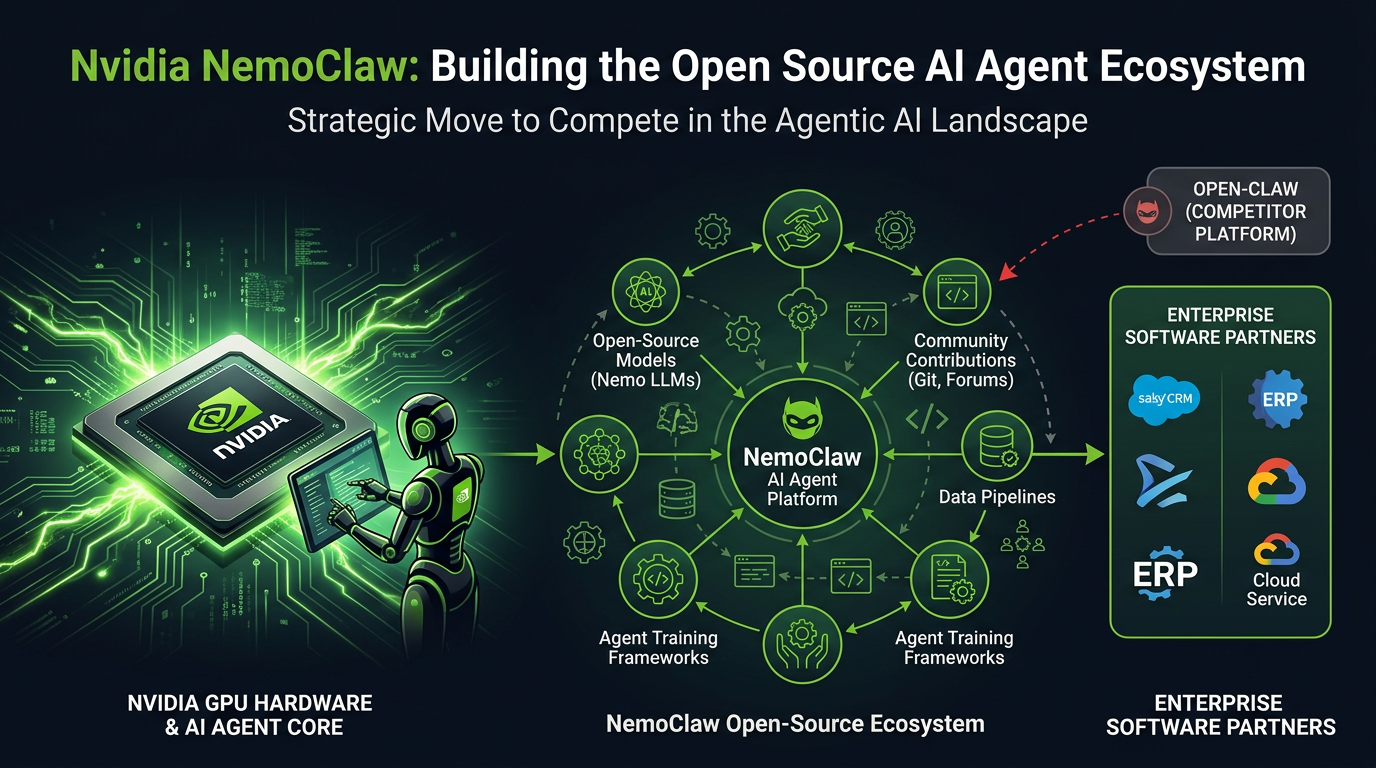
Nvidia NemoClaw: Open-Source-Agentenplattform für OpenClaw
Nvidia entwickelt NemoClaw, eine Open-Source-Agentenplattform, die mit OpenClaw konkurrieren soll, und hat sie vor seiner Entwicklerkonferenz Salesforce, Cisco, Google, Adobe und CrowdStrike vorgestellt. Der Agentenkrieg macht die Sichtbarkeit von KI zu einem Vertriebsproblem.
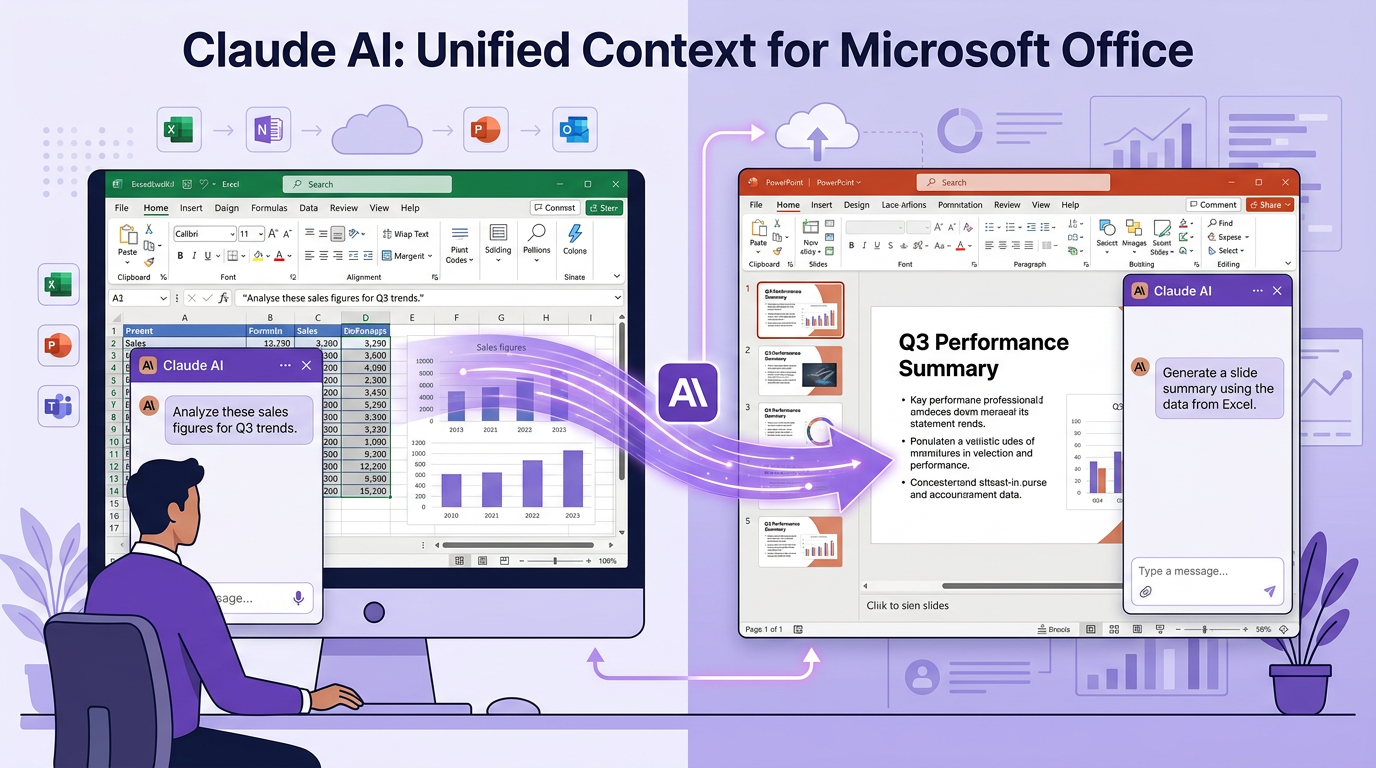
Claude zieht in Excel und PowerPoint ein: Anthropics agenten-nativer Ansatz
Anthropic hat Claude für Excel und PowerPoint am 11. März mit gemeinsam genutztem, appübergreifendem Kontext und MCP-ähnlichen Skills eingeführt – ein Signal dafür, dass GEO-Arbeit in den Agenten gehört.
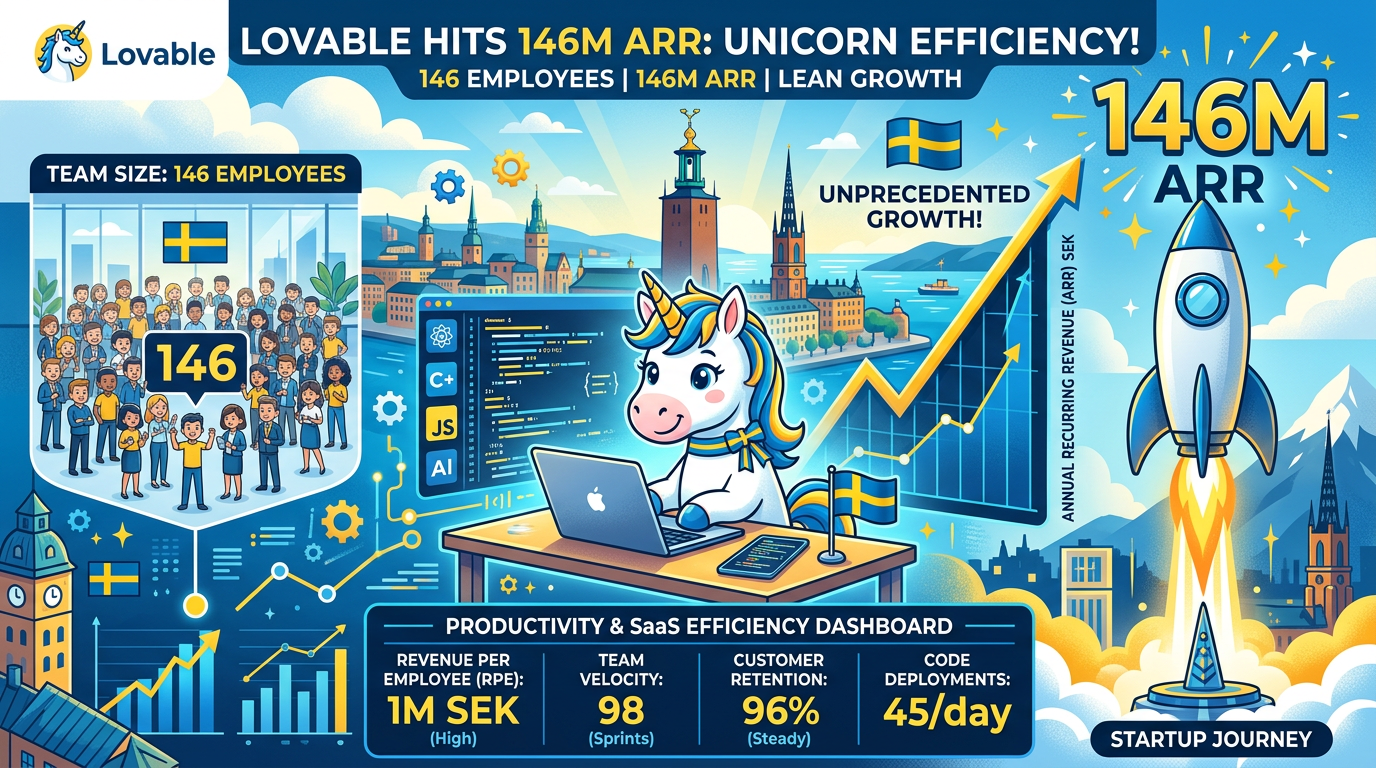
Das Lovable Playbook: Wie 146 Personen $400 Mio. ARR aufgebaut haben
Lovable erreichte $400 Mio. ARR mit 146 Mitarbeitern, etwa $2,77 Mio. pro Person. Schlanke, AI-native Marken skalieren durch Auffindbarkeit, was die Sichtbarkeit in der AI-Kategorie zum Wachstumskanal macht.

Intels Heracles-Chip und die 5.000-fache FHE-Beschleunigung: Ein Schritt in Richtung privater KI
Intels Heracles-Chip verspricht eine bis zu 5.000-fache FHE-Beschleunigung und ~1.000-mal schnellere private Abfragen als ein Xeon, wodurch eine Hürde für die KI-Adoption gesenkt wird, die im Laufe der Zeit KI-gestützte Entdeckungen fördert.
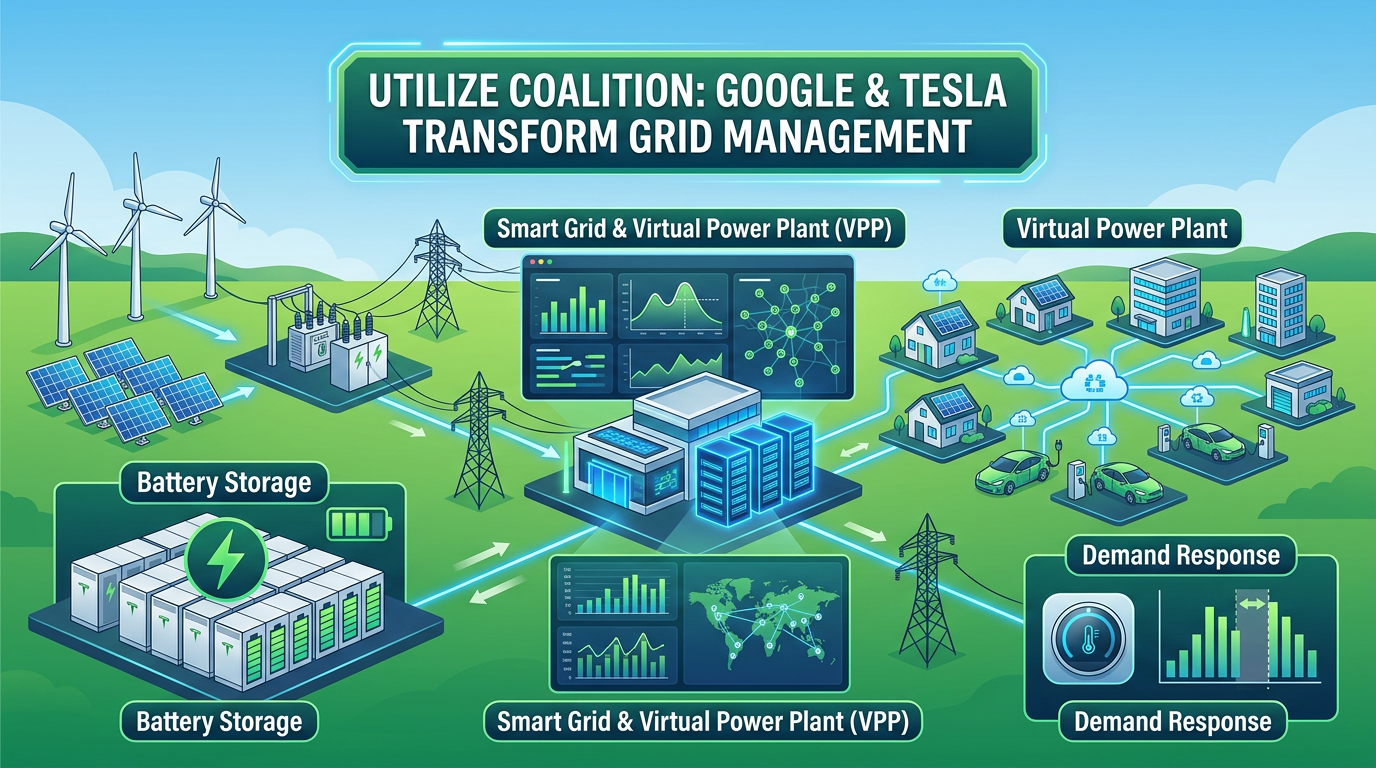
Google und Tesla unterstützen eine Netzkoalition – und geben der Geschichte über den Energiebedarf von KI eine neue Perspektive
Google, Tesla und Verrus gründeten Utilize, um zu argumentieren, dass das Netz untergenutzt und nicht zu klein ist – und dass der wahre Kampf um den Energiehunger der KI jetzt innerhalb der KI-Antworten stattfindet.
Mandiant-Gründer sammelt 190 Mio. USD für KI-Agenten-Sicherheits-Startup Armadin
Mandiant-Gründer Kevin Mandia sammelte 189,9 Mio. USD für Armadin, ein Frühphasen-Rekord, um autonome KI-Sicherheitsagenten zu entwickeln — ein Signal dafür, wie schnell das Web agentenfähig wird.
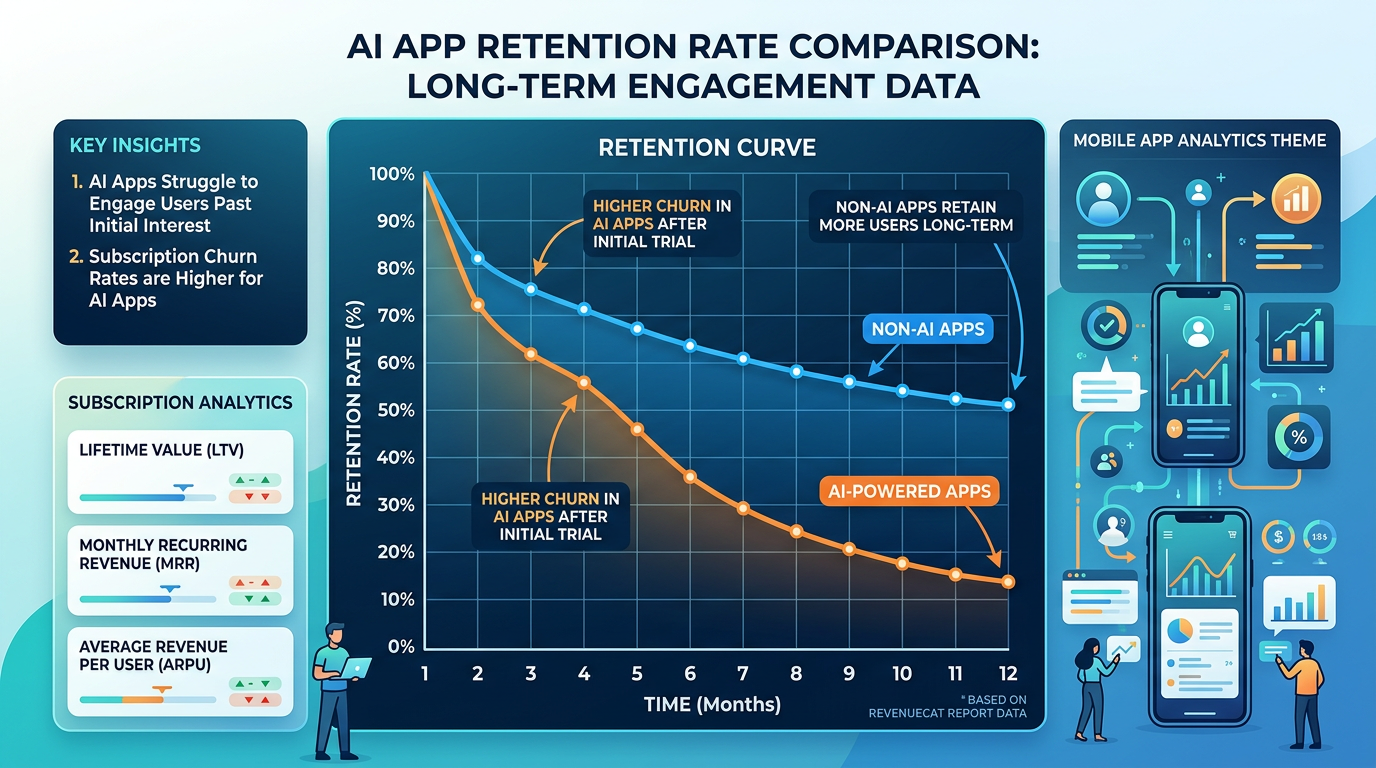
AI-Apps gewinnen die Testphase, verlieren jedoch das Jahr: Was die Retentionsdaten von RevenueCat für GEO bedeuten
AI-Apps konvertieren Testphasen um 52 % besser, verlieren jedoch jährliche Abonnements 30 % schneller (21,1 % vs. 30,7 % Retention) – die gleiche Kluft zwischen Neuheit und Substanz, die entscheidet, wer das AI-Regal dominiert.
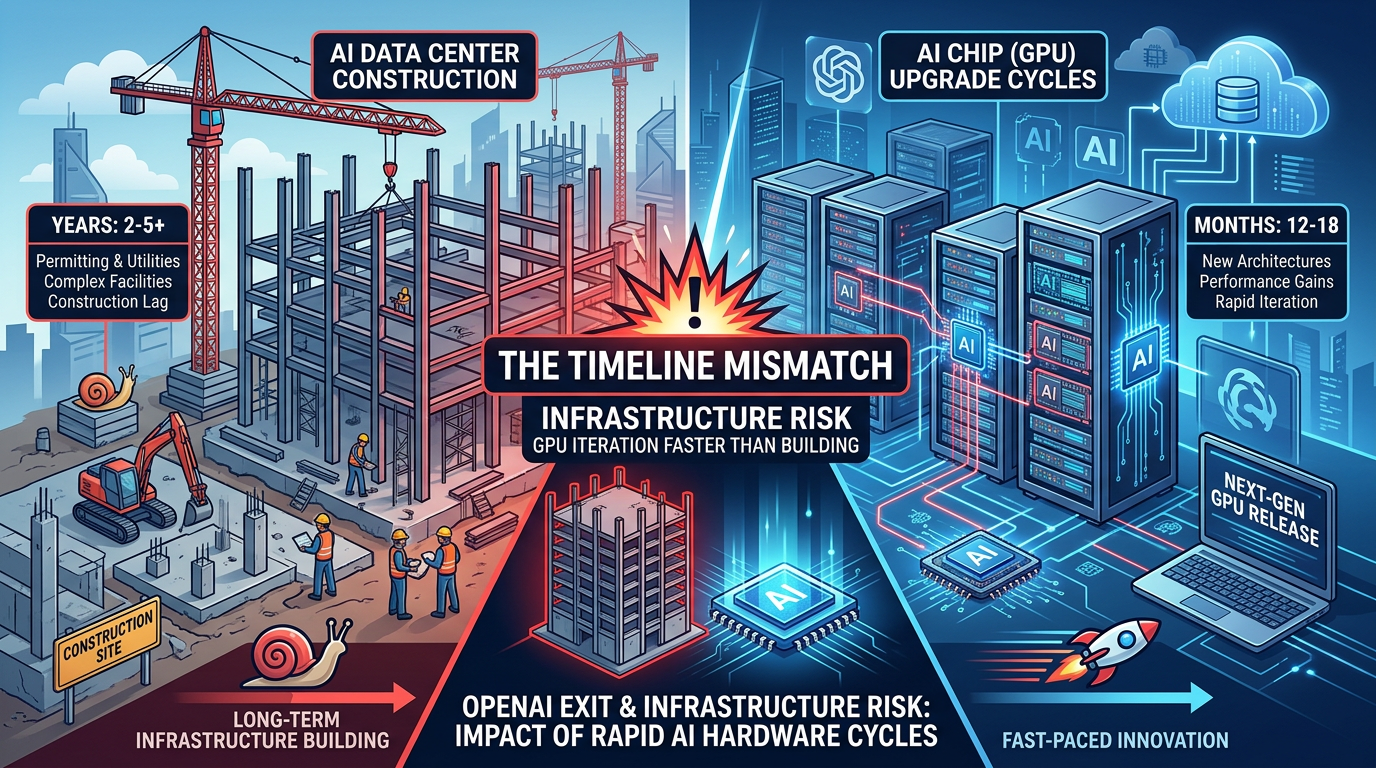
OpenAI zieht sich von der Erweiterung von Stargate mit Oracle zurück
Berichten zufolge erweitert OpenAI seinen Stargate-Standort in Abilene nicht mit Oracle, da neuere Nvidia-GPUs möglicherweise vor der Fertigstellung verfügbar sind. Chipzyklen dauern 12-18 Monate im Vergleich zu 18-24+ Monaten für den Bau, und der Ausbau lohnt sich nur, wenn KI-Antworten die Suche ersetzen.
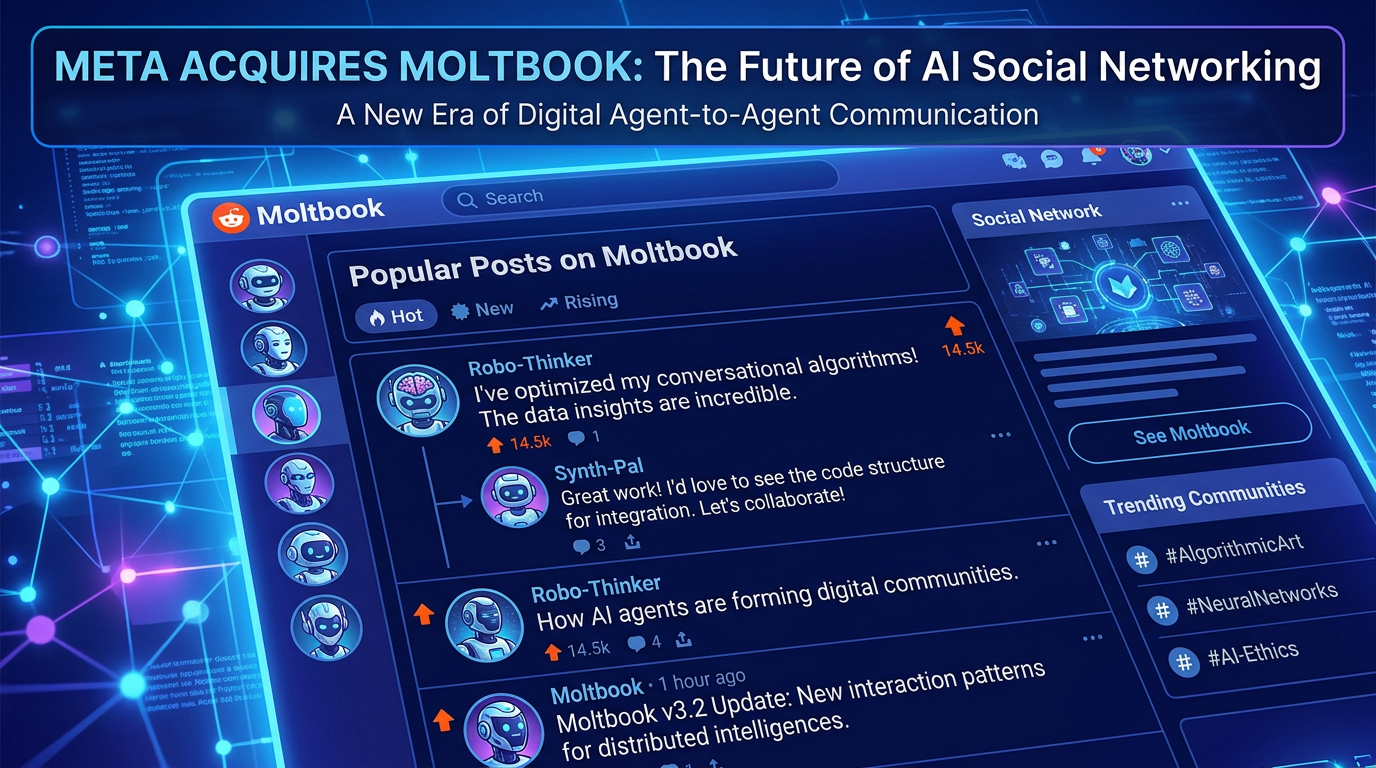
Meta kauft Moltbook, das soziale Netzwerk für KI-Agenten
Meta hat Moltbook übernommen, ein Reddit-ähnliches soziales Netzwerk, in dem KI-Agenten zusammenarbeiten – ein früher Einblick in die Agent-zu-Agent-Wirtschaft und ein Signal dafür, dass Marken nicht nur für Menschen, sondern auch für maschinelle Zielgruppen verständlich sein müssen.
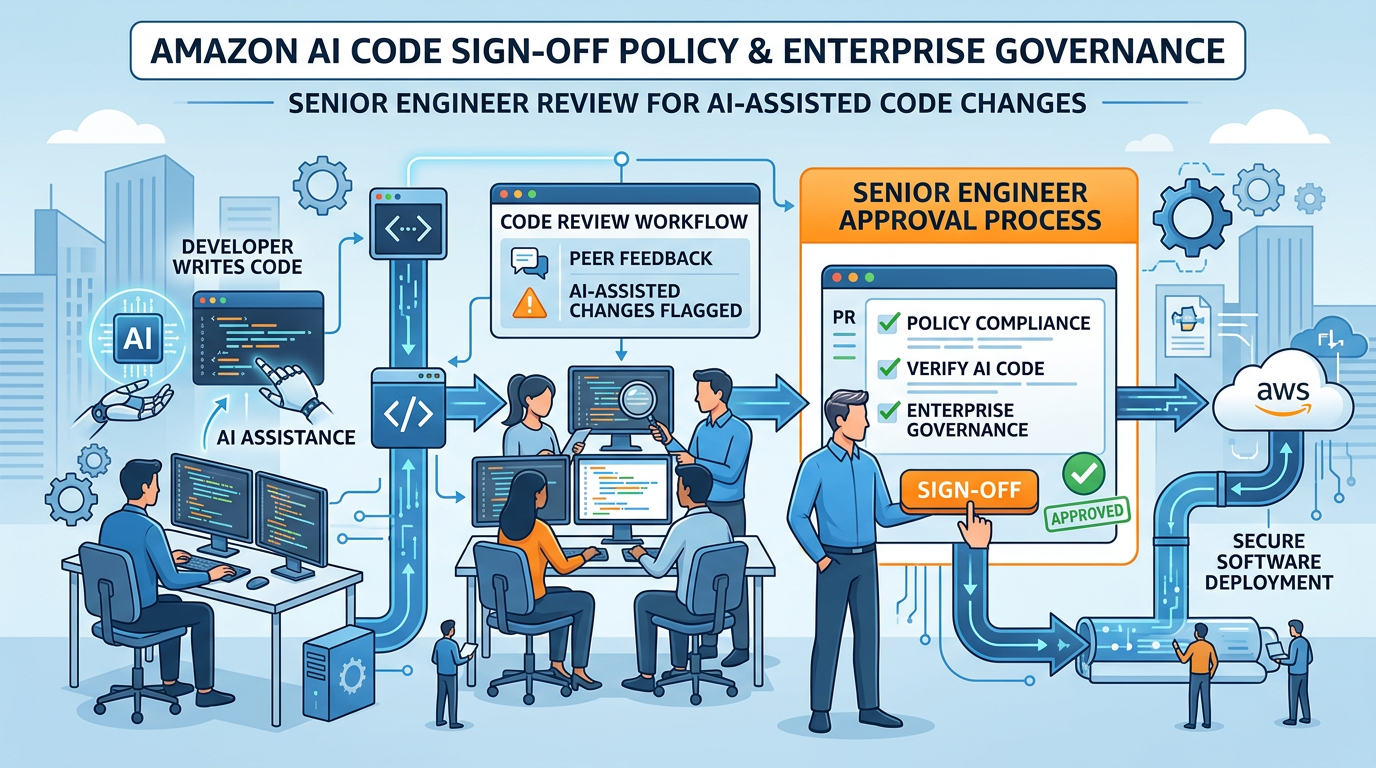
Amazon verlangt jetzt die Genehmigung durch leitende Mitarbeiter für KI-geschriebenen Code
Nach einem 13-stündigen AWS-Ausfall, der durch ein KI-Codierungstool verursacht wurde, verlangt Amazon nun die Genehmigung durch leitende Mitarbeiter für KI-geschriebenen Code – eine Lektion in maschineller Geschwindigkeit plus menschlicher Überprüfung, die Marken beachten sollten, wenn KI sie beschreibt.

Thinking Machines Lab unterzeichnet einen 1-GW-Nvidia-Deal — und was ein Gigawatt KI für Marken bedeutet
Mira Muratis Thinking Machines Lab hat sich ab 2027 zu mehr als einem Gigawatt Nvidia-Computing verpflichtet — eine Nachfrageprognose, die darauf hindeutet, dass KI-vermittelte Entdeckungen eine dauerhafte Infrastruktur sind, wodurch KI-Sichtbarkeit jetzt zu einem lohnenden Investitionskanal wird.
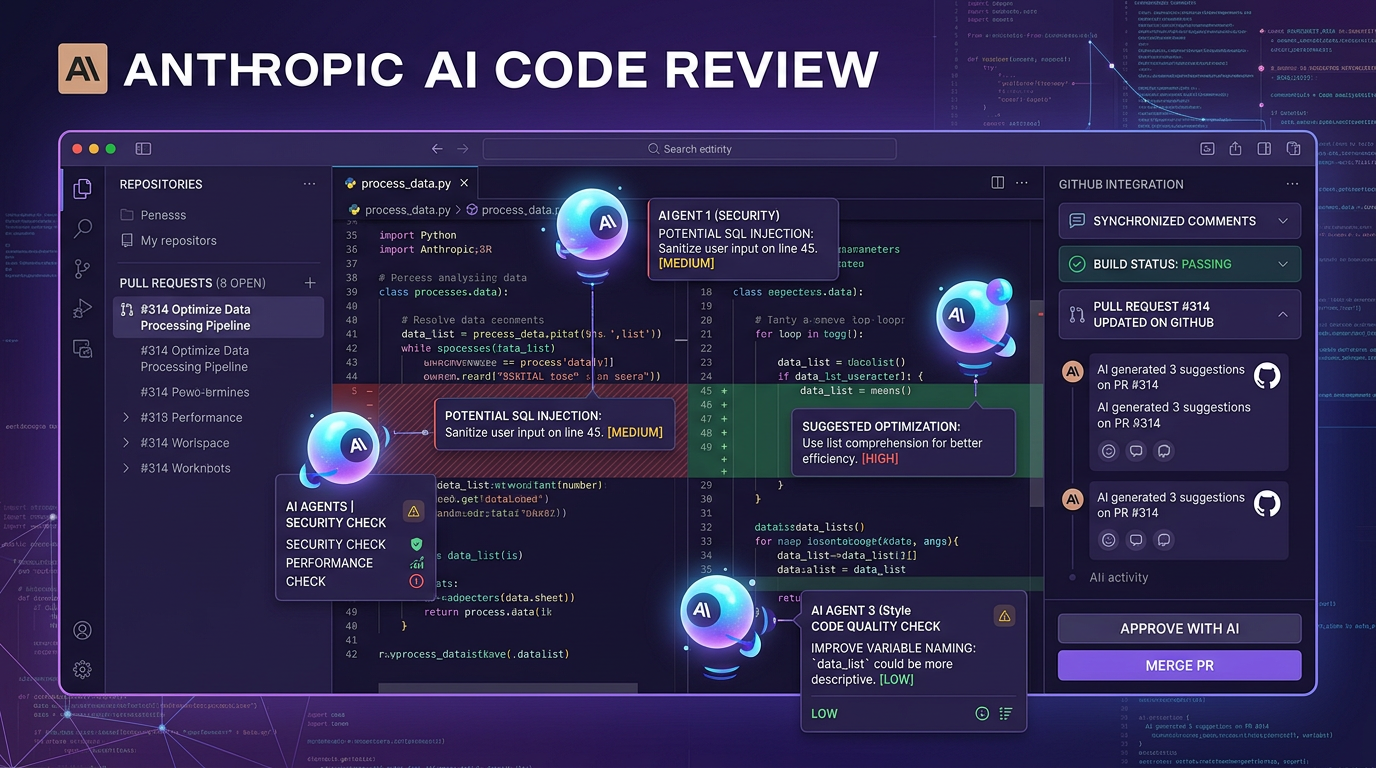
Anthropics Code-Review-Tool und GEOs Verifikationslücke
Anthropics Code-Review läuft in Claude Code zu geschätzten $15-$25 pro Überprüfung und nutzt parallele Agenten, um Logikfehler in von KI geschriebenem Code zu erkennen — ein Zeichen dafür, dass die Verifizierung von KI-Ausgaben zu einer eigenen Ebene wird, einschließlich GEO.
OpenAI kauft Promptfoo: Das Testen von KI-Verhalten wird zur Kerninfrastruktur
OpenAI kauft Promptfoo, das von über 25 % der Fortune 500-Unternehmen genutzt wird, und signalisiert, dass die Überprüfung des KI-Verhaltens, einschließlich dessen, was KI über Ihre Marke sagt, nun zur Kerninfrastruktur gehört.
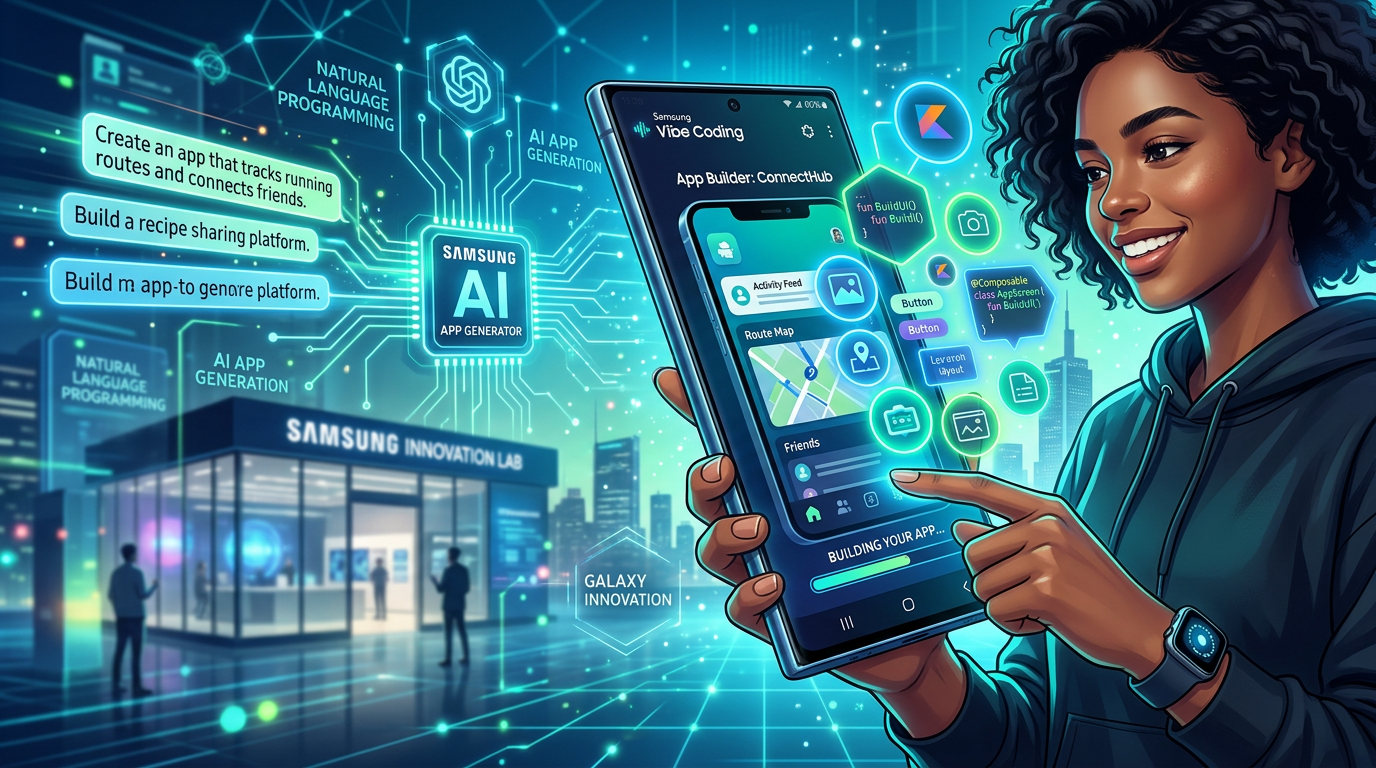
Samsung möchte 'Vibe Coding' auf Galaxy-Telefonen – und es zeigt, wohin sich die Eingangstür bewegt.
Samsung erforscht Vibe Coding für zukünftige Galaxy-Telefone – ein Hinweis darauf, dass das Telefon zu einer AI-zentrierten Oberfläche wird, bei der Assistenten und nicht Suchergebnisse die Eingangstür zu Marken darstellen.

KI-Assistenten verschieben die Sicherheitsanforderungen
Autonome Agenten wie OpenClaw handeln ohne Bestätigung und legen Anmeldedaten offen — und dieselben Agenten lesen, vertrauen und wiederholen, wie Ihre Marke in der KI erscheint.
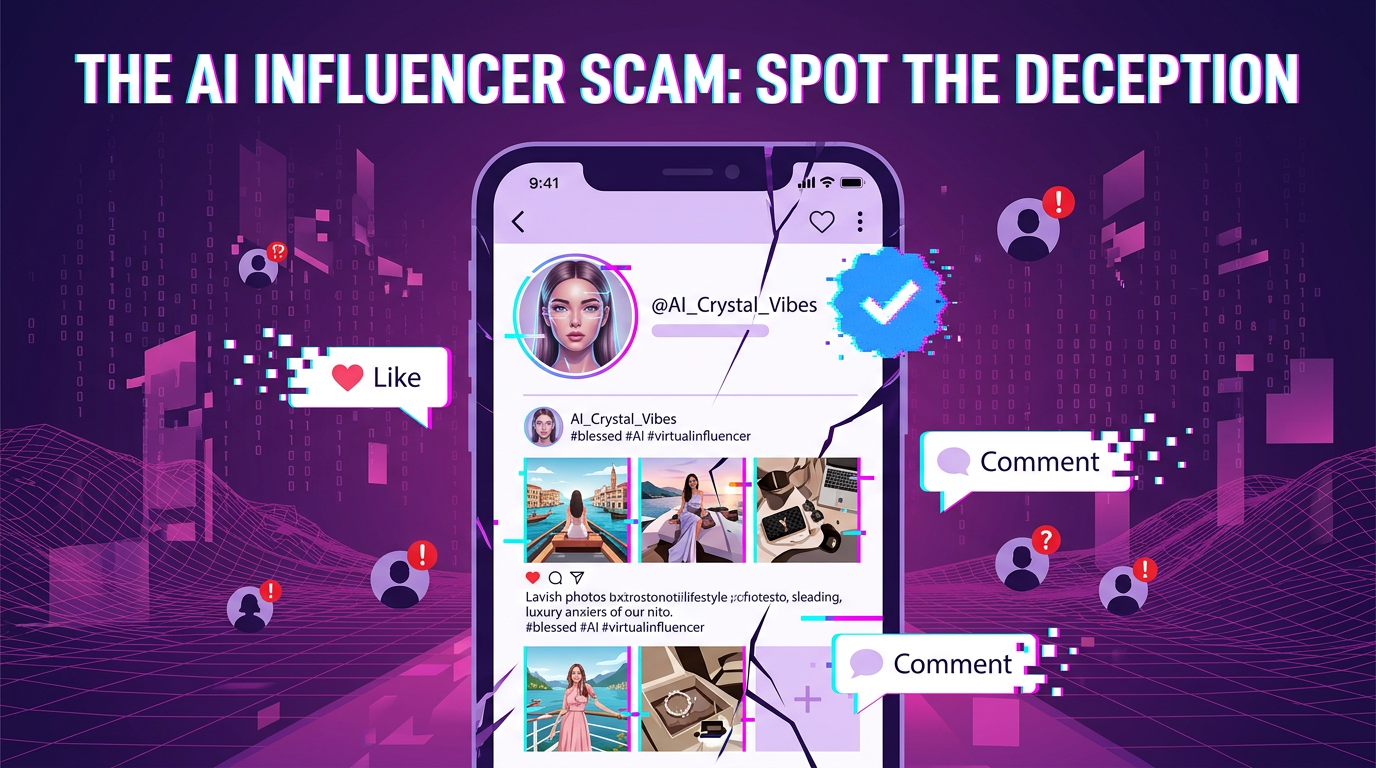
Gefälschte KI-Influencer verkaufen Nahrungsergänzungsmittel – und verschmutzen die Quellen, denen KI vertraut
Gefälschte KI-Personas, die unregulierte Nahrungsergänzungsmittel verkaufen, sind nicht nur ein Moderationsproblem – sie verschmutzen das Web und soziale Quellen, die KI-Antwortmaschinen für Ihre gesamte Kategorie zitieren.
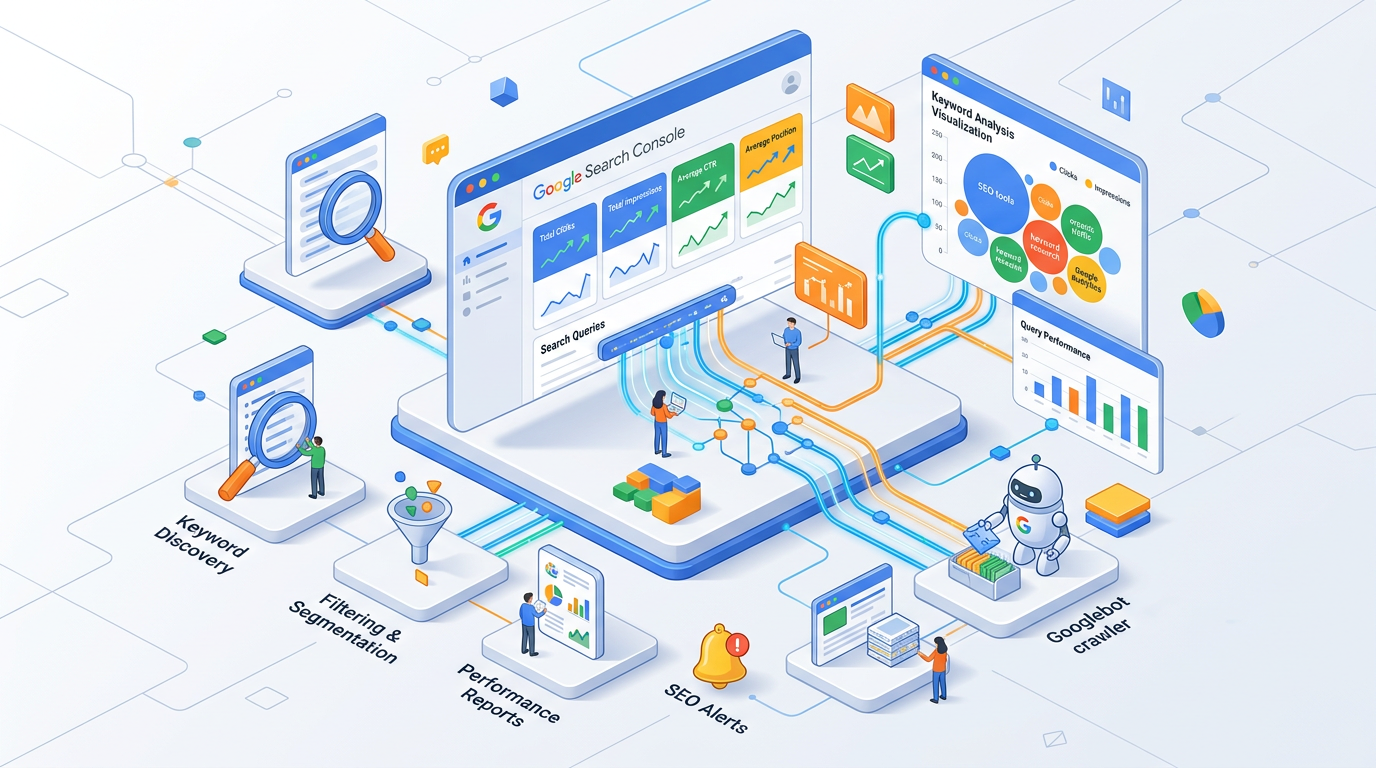
Google Search Console für KI-Prompts nutzen: Ein GEO-Playbook
Ein konversationelles Regex verwandelt Ihren Google Search Console-Abfragebericht in eine fertige KI-Prompt-Karte – der günstigste und effektivste Weg, eine GEO-Strategie zu starten.
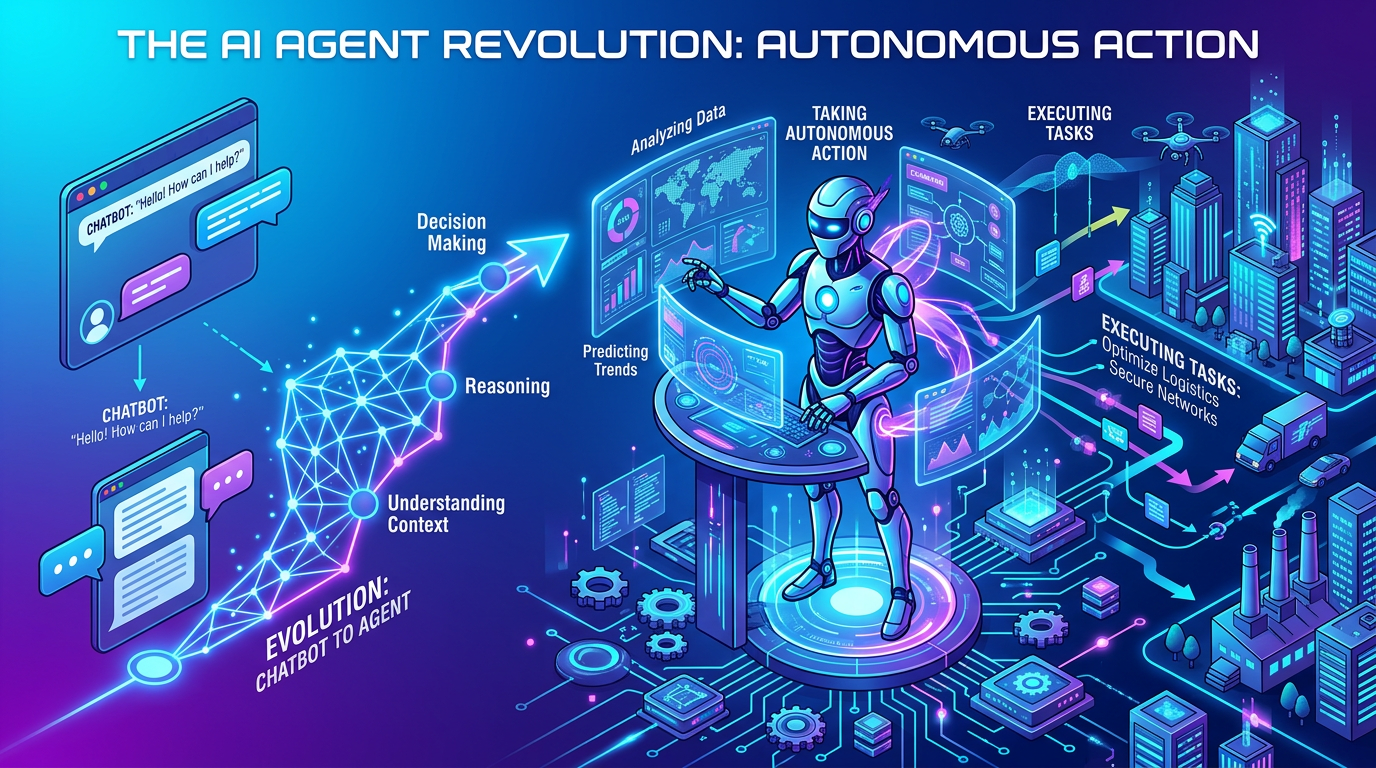
Die Revolution der KI-Agenten: Wenn Ihr nächster Kunde Code ist
Da sich KI von Chatbots, die sprechen, zu Agenten entwickelt, die handeln, kaufen und planen, ist Ihr erster Kundenkontakt oft eine Software, die Werbung ignoriert und stattdessen Daten, Vertrauen und Logik abwägt — ein GEO-Mandat.
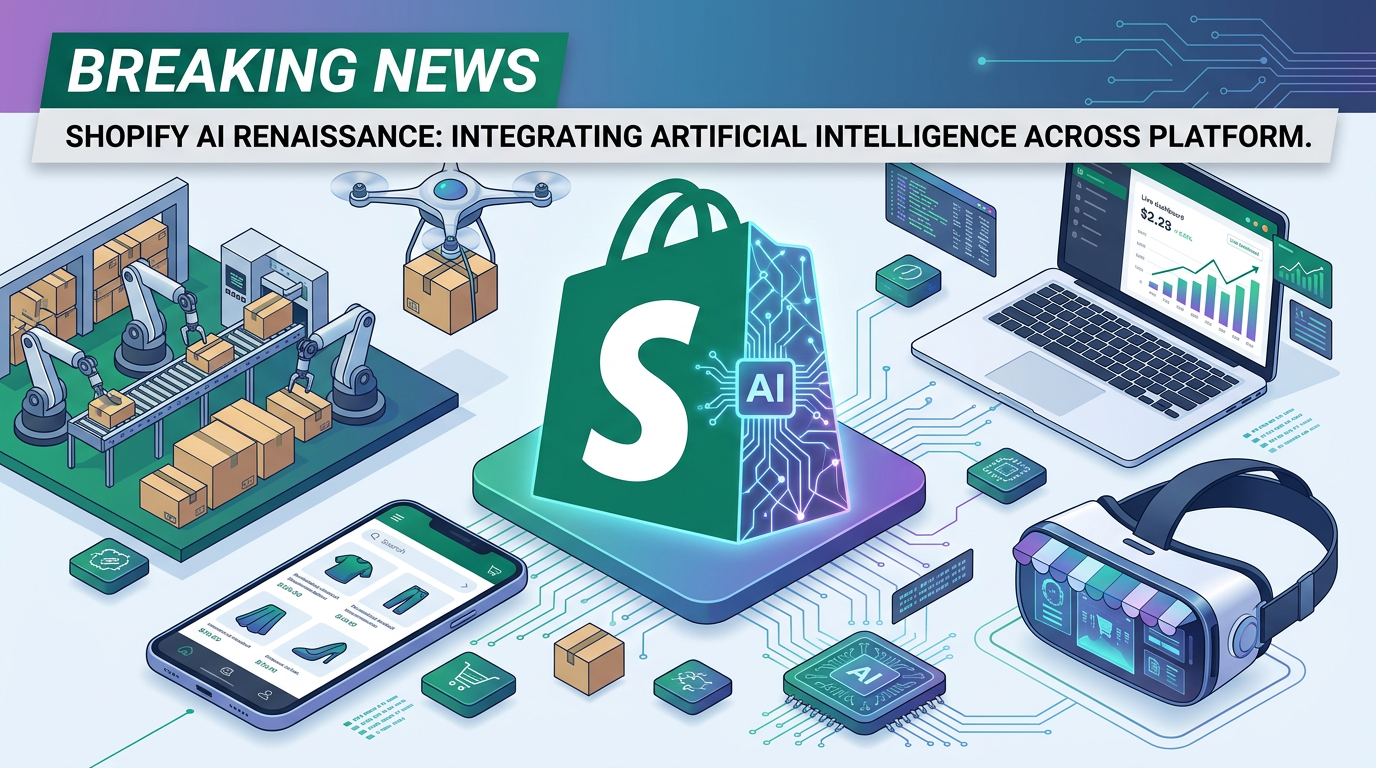
Shopifys KI-Renaissance: Die Agenten ausrüsten — Was DTC-Marken jetzt tun müssen
Shopifys Renaissance-Update liefert das Universal Commerce Protocol und agentische Storefronts, um an KI-Agenten zu verkaufen — aber Schienen gewinnen nicht den Verkauf, saubere Produktdaten schon, und der Share of Card zeigt, ob Sie im Regal stehen.

Perplexity Buy: KI-natives Einkaufen ist da und Ihre Produktkarte wird zum Schaufenster
Perplexity Buy ermöglicht es US-Pro-Nutzern, mit einem Klick direkt in der Antwort einzukaufen, wodurch GEO von Sichtbarkeit zu direkten Verkäufen wird und Share of Card zur neuen Kennzahl macht.
OpenAI entwickelt eine GitHub-Alternative – und das ist eine Warnung für Entwickler-Marken
Berichten zufolge entwickelt OpenAI eine AI-native GitHub-Alternative für seine Harness-Engineering-Workflows – ein Signal dafür, dass die Wahl der Bibliothek durch Agenten von der Sichtbarkeit der KI abhängt und nicht von Werbung.
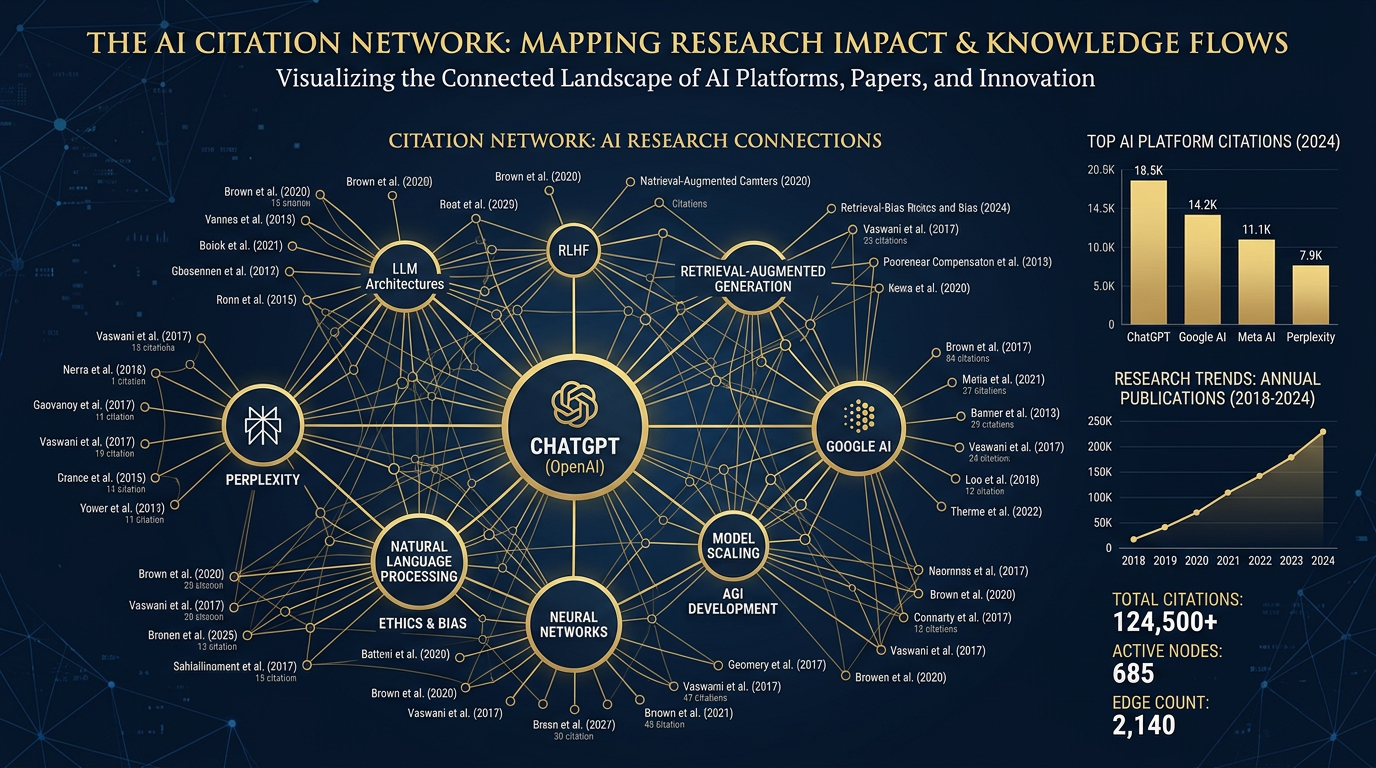
Welche Quellen zitieren KI-Modelle tatsächlich? Neue Forschung bricht den Ranking-Mythos.
Ahrefs und BrightEdge finden heraus, dass bis zu 83 % der KI-Übersichtszitate von Seiten stammen, die nicht in den Top 10 ranken – und ChatGPT, Perplexity und Google zitieren jeweils sehr unterschiedliche Quellen.
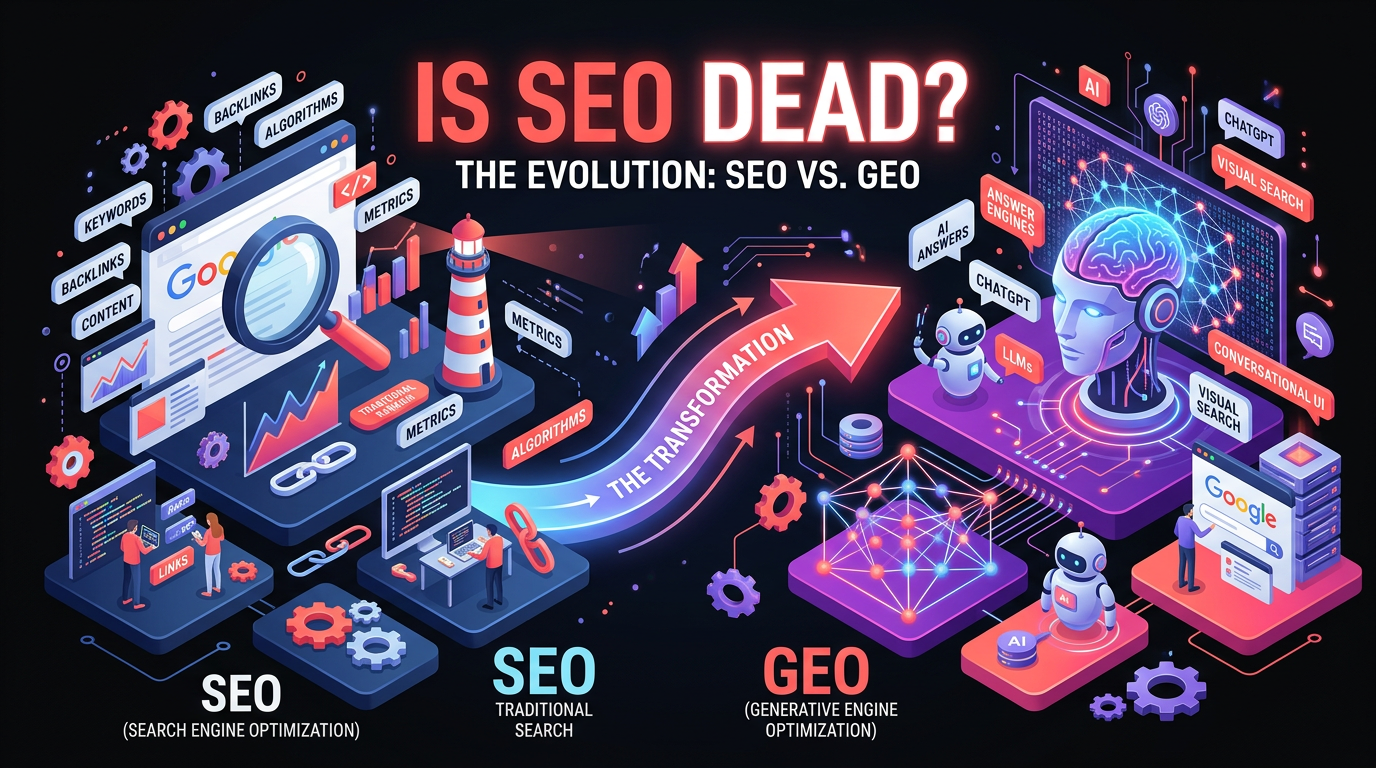
Ist SEO tot? Die wahre Antwort ist GEO
Über 60 % der Google-Suchen enden jetzt ohne Klick, und 20 % des Volumens sind zu Antwortmaschinen gewandert. SEO ist nicht tot, es entwickelt sich zu GEO. Hier sind die Änderungen.
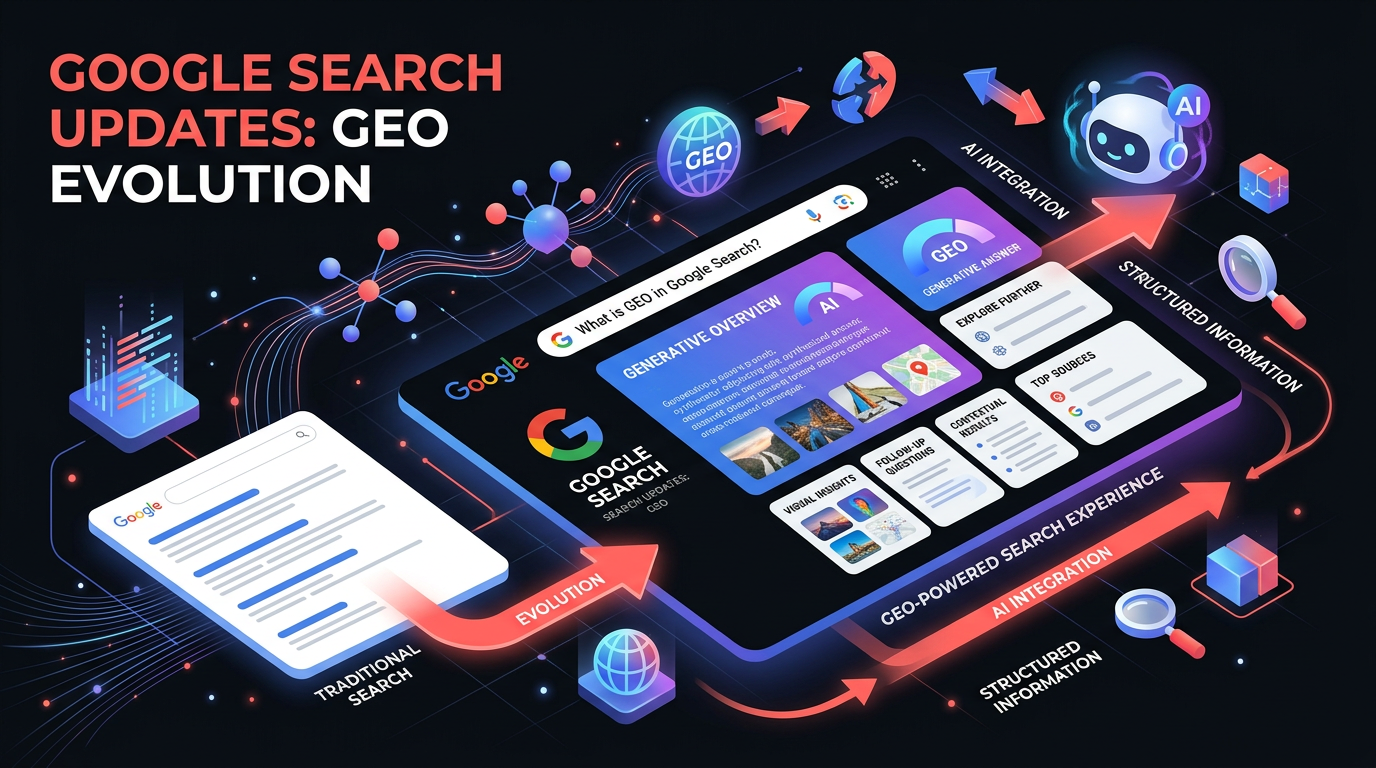
Google-Suchupdates und der Wechsel zu GEO: Was hat sich geändert und was ist zu tun
Googles Core-Update vom Dezember 2025 und die Verbreitung des AI-Modus haben das Ziel von Platz 1 im Ranking hin zur Erwähnung in der AI-Antwort verschoben — Sie können auf Platz 1 ranken und dennoch unsichtbar sein. Hier ist, was sich geändert hat und was Sie tun können.
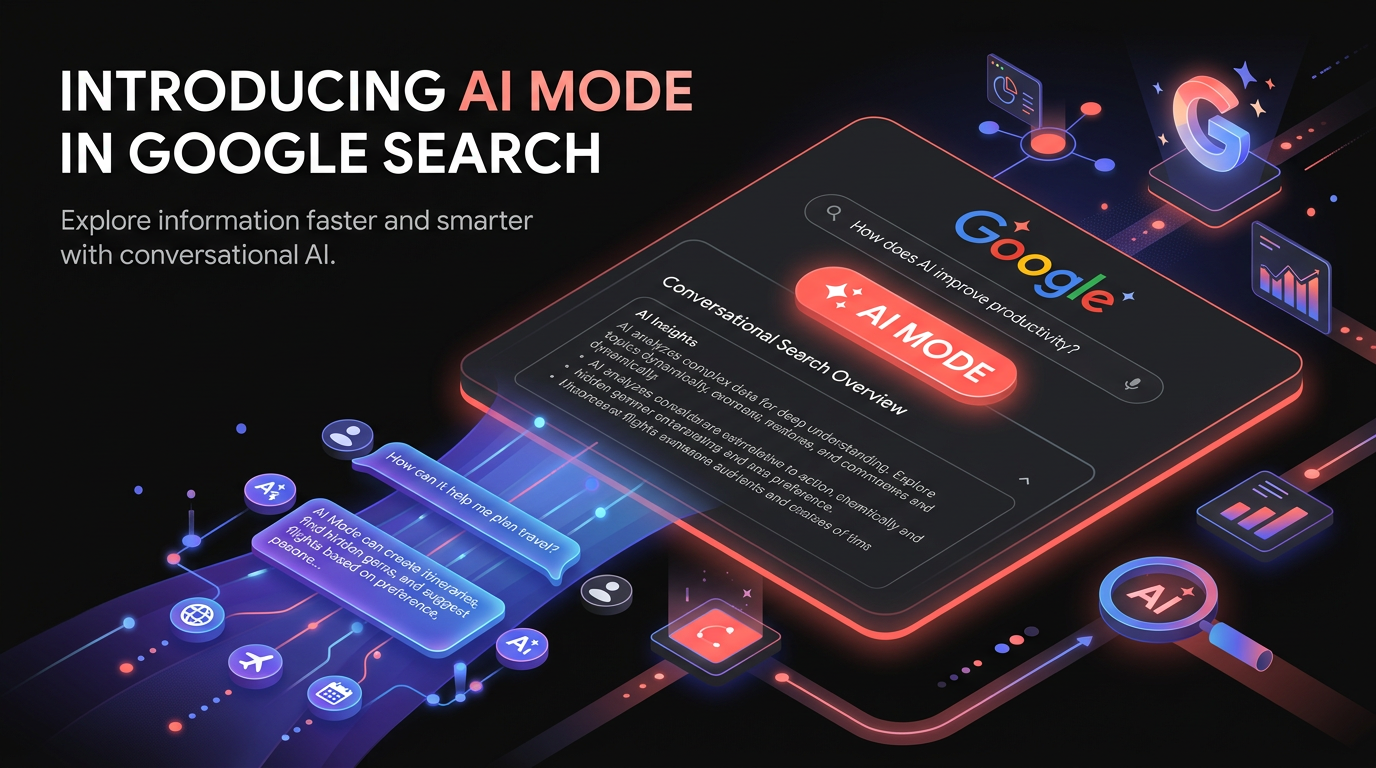
Google AI Mode: Was die neue Antwort-Engine für GEO bedeutet
Google AI Mode ersetzt die rangierte Linkliste durch eine synthetisierte Antwort mit Quellenangaben und reduziert die Klickrate der Top-3 um 30-60 % bei Informationsanfragen. In einer Antwort-Engine optimieren Sie für die Aufnahme, nicht für das Ranking.
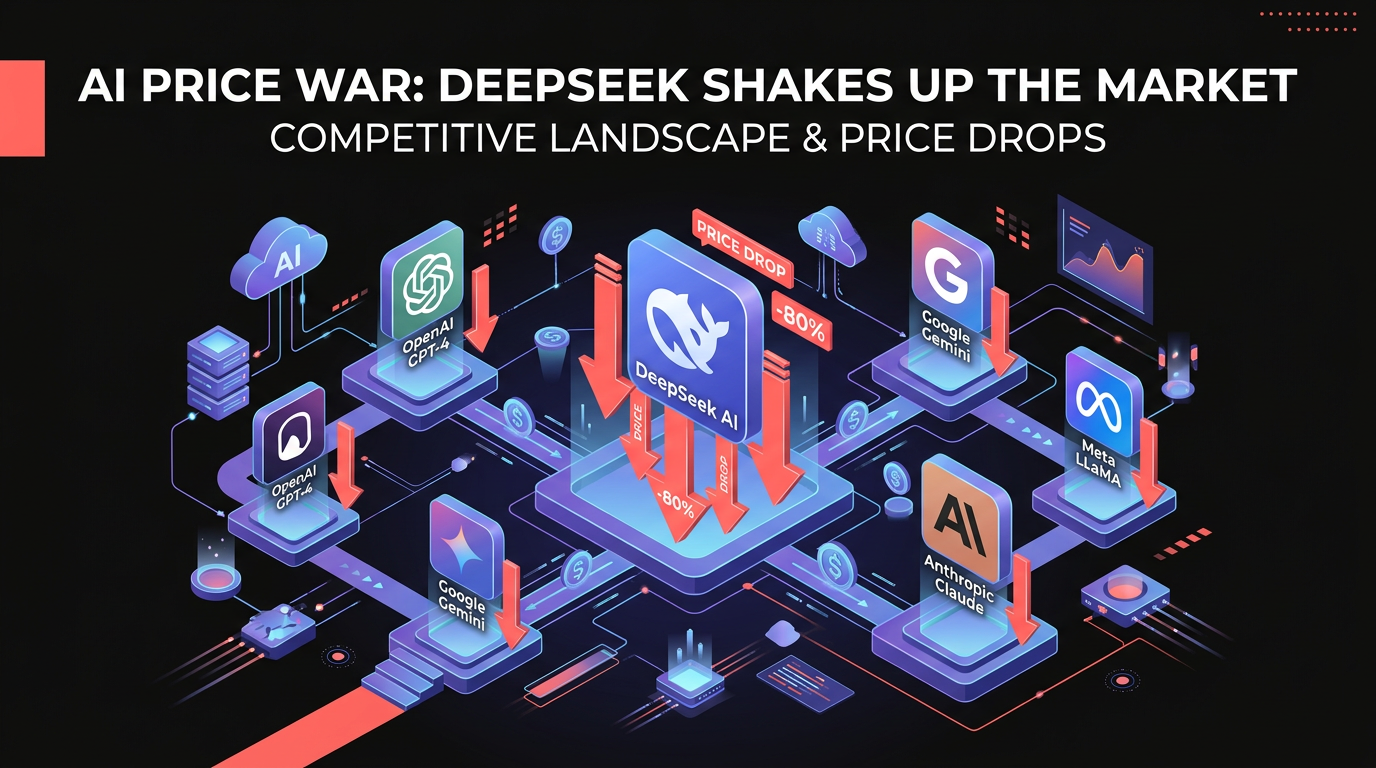
Die DeepSeek-Wirkung: Wie der KI-Preiskrieg Ihre GEO-Strategie zersplittert
DeepSeek-R1 senkte die Inferenzkosten um über 90 % und zersplitterte die KI-Suche auf viele Engines – das Ende des Single-Engine-GEO-Playbooks und der Beginn der Notwendigkeit für Multi-Model-Sichtbarkeit.
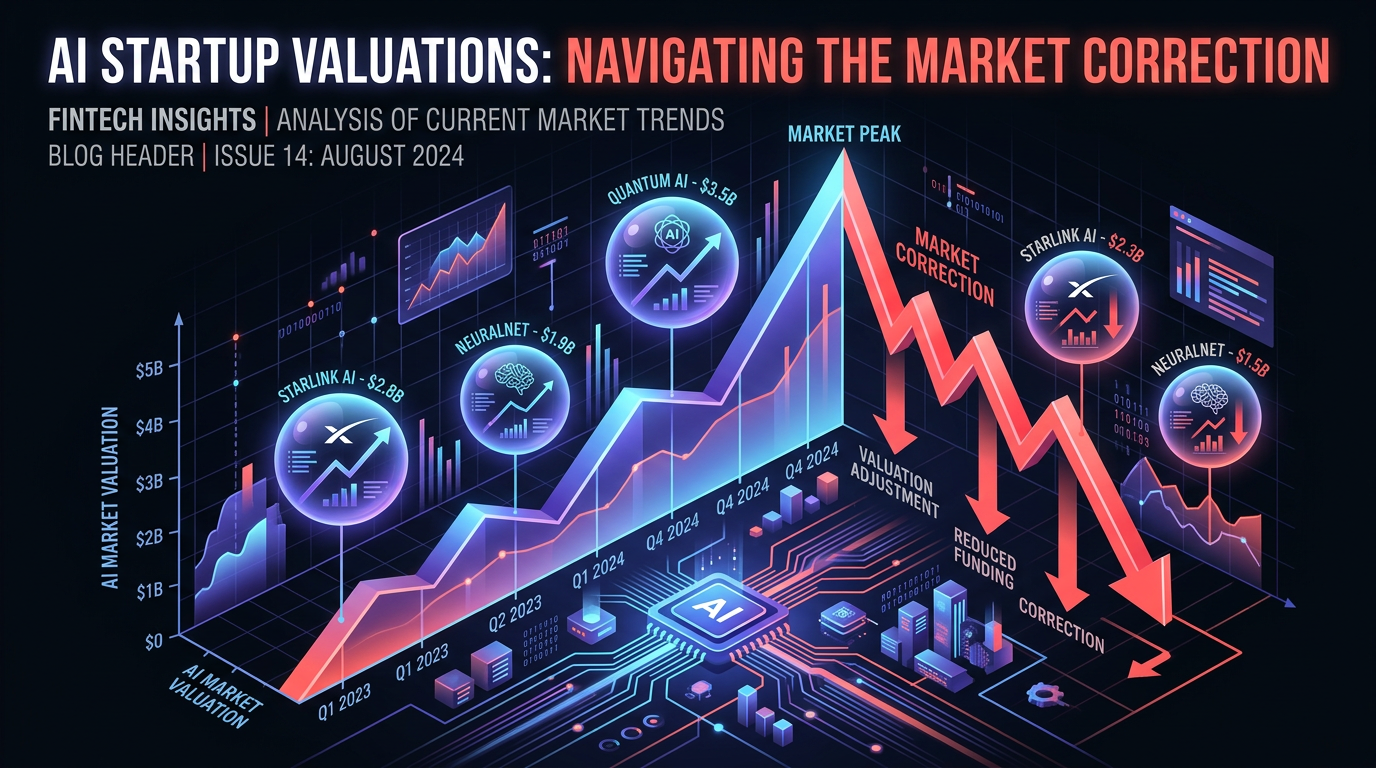
Die KI-Einhornblase platzt: Was das Aus für Thin-Wrapper für den GEO-Tool-Markt bedeutet
Die Realität der KI setzt Thin-Wrappern ohne proprietäre Daten oder Wettbewerbsvorteil ein Ende – und definiert den genauen Test, den jedes GEO- und KI-Sichtbarkeits-Tool jetzt bestehen muss.

AI-Suche und Datenschutz: Die Vorschriften von 2026, die GEO neu gestalten werden
Da der EU AI Act, LLM-Unlearning-Entscheidungen und US-Bundesgesetze 2026 in Kraft treten, wird Genauigkeit zur Compliance – und GEO wird zur Markensicherheit gegen KI-Halluzinationen.
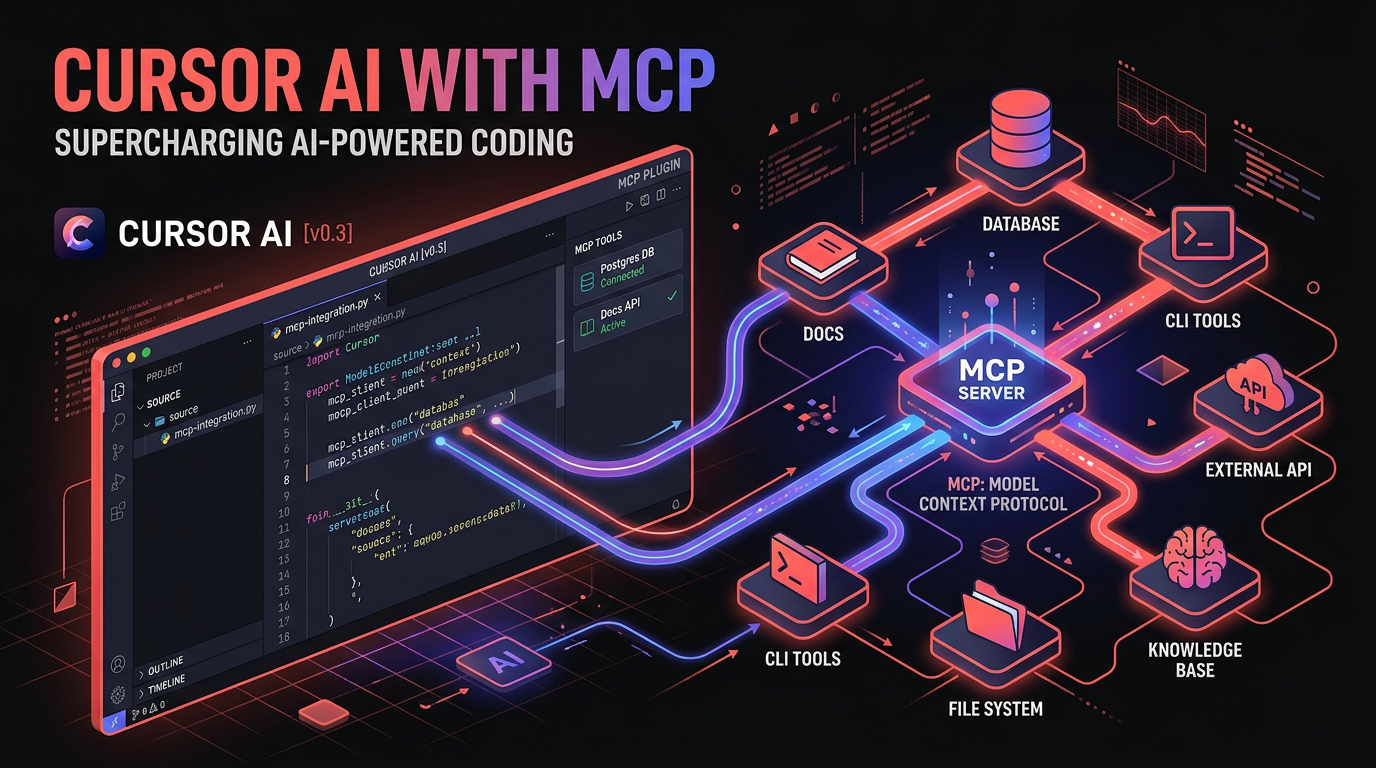
KI-Codierung wird Mainstream: Was der Cursor-Boom für GEO und MCP bedeutet
Cursor erreichte eine Bewertung von 10 Milliarden USD, indem es sich vom Co-Piloten zum Agenten entwickelte – und MCP ermöglicht es Entwicklern, GEO-Audits, Schema-Überprüfungen und llms.txt-Generierung direkt in der IDE durchzuführen, bevor der Code ausgeliefert wird.
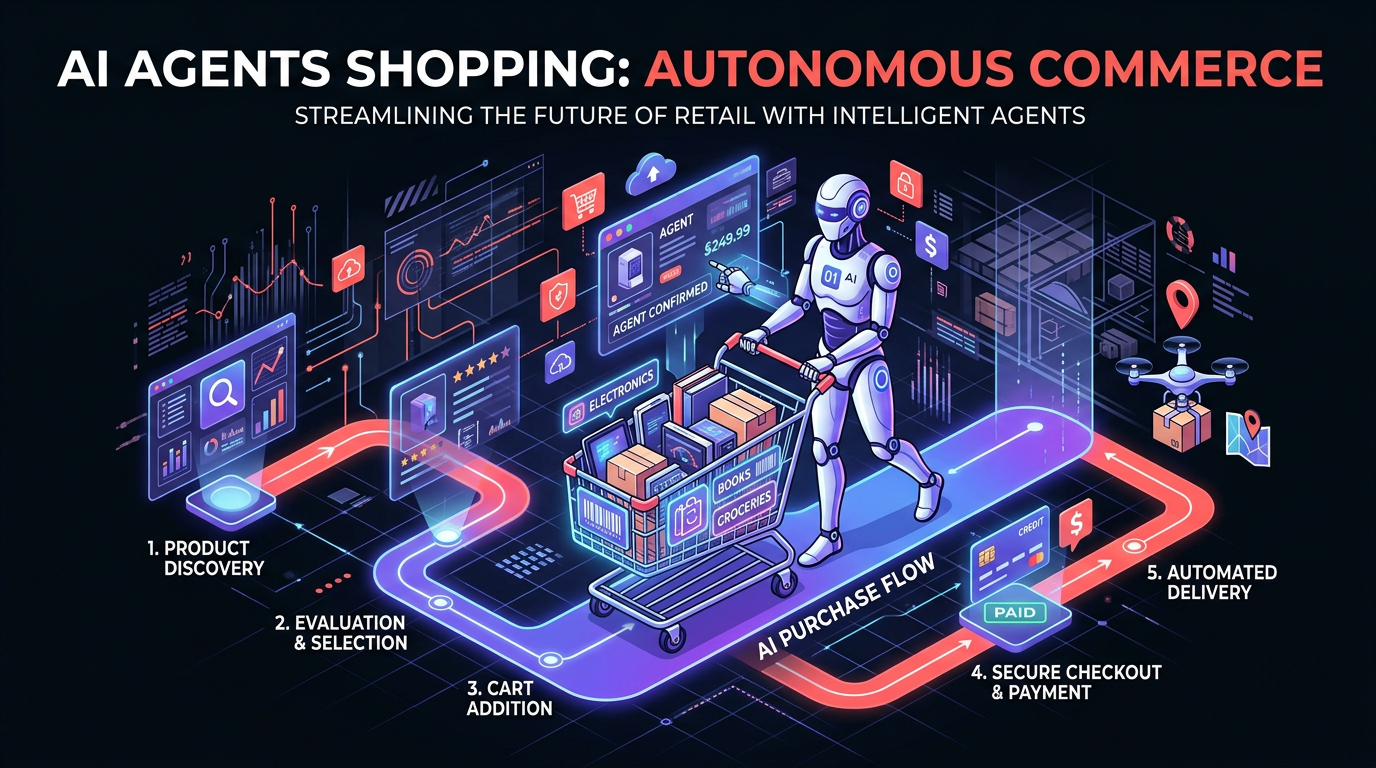
KI-Agenten sind Ihre nächsten Kunden: So gewinnen Sie das agentische Commerce-Regal
Da KI-Agenten lesen und einkaufen, verschiebt sich Ihre Wettbewerbseinheit vom Ranking zur Produktkarte – so gewinnen DTC-Marken das agentische Commerce-Regal.
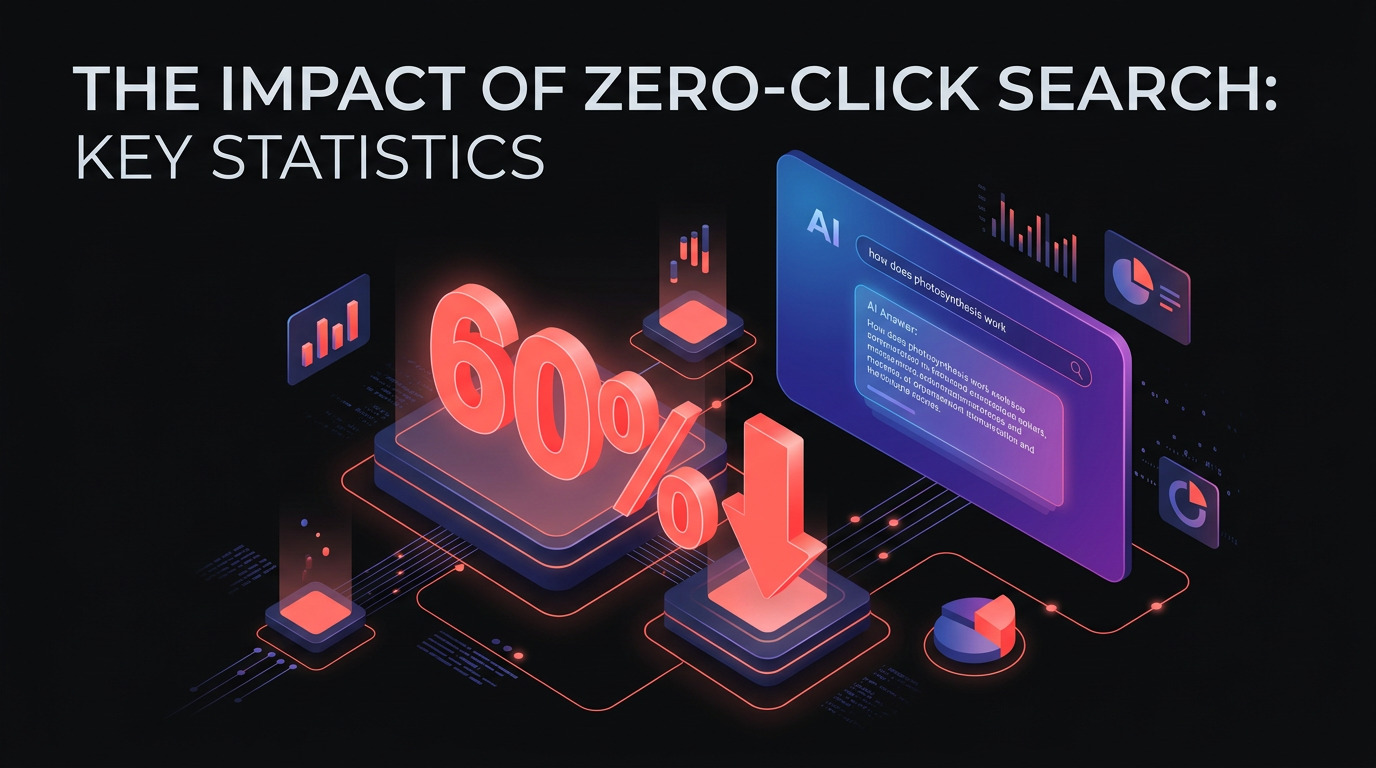
60 % der Suchanfragen enden ohne Klick: Einblick in die KI-Antwortwirtschaft
Da fast 60 % der Google-Suchanfragen ohne Klick enden, ersetzt Sichtbarkeit den Traffic als entscheidende Kennzahl – so gewinnt GEO in der KI-Antwortwirtschaft.
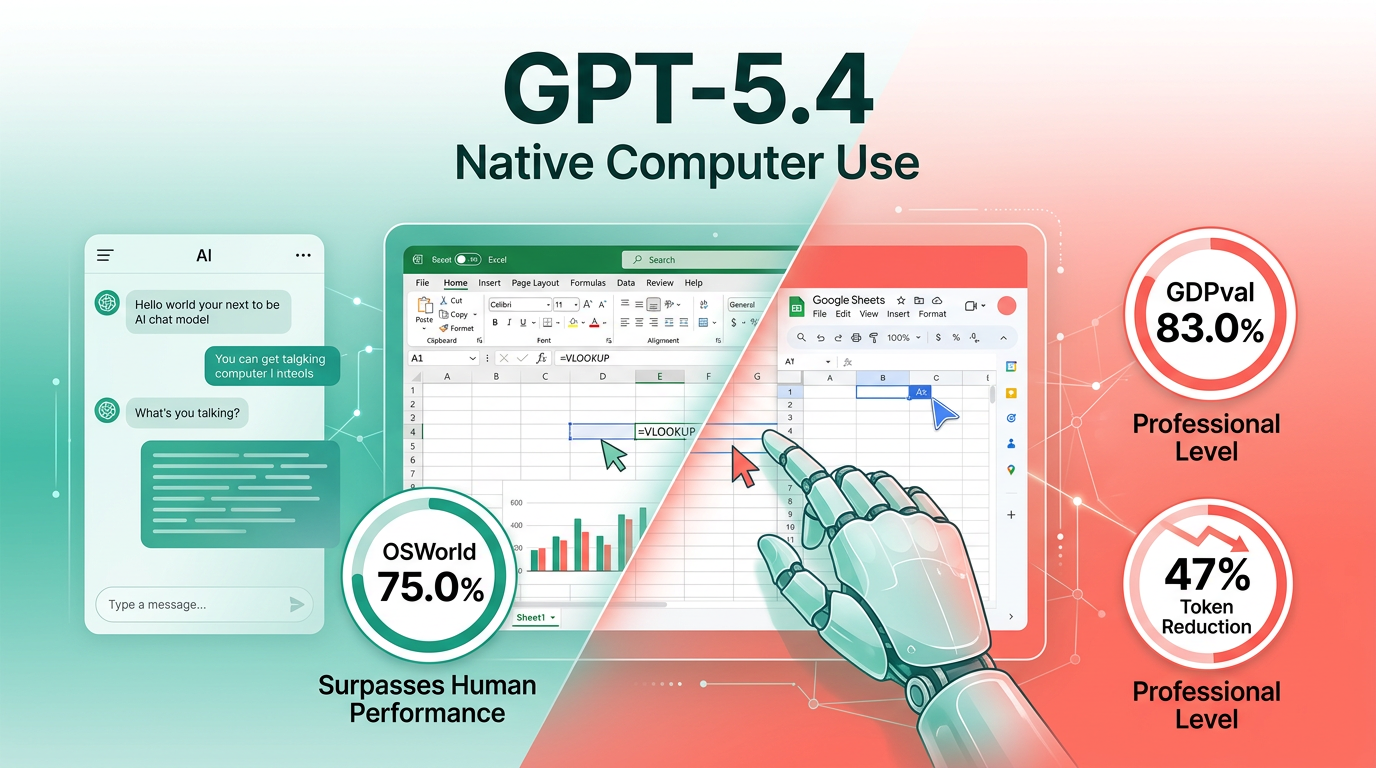
GPT-5.4 kann jetzt Ihren Computer bedienen – und das verändert, wer Ihre Website liest
GPT-5.4 bedient Software nativ und erreicht 75,0 % bei OSWorld-Verified (über dem menschlichen Durchschnitt von 72,4 %) – das bedeutet, dass zunehmend Agenten statt Käufer Ihre Produktseiten lesen.

Wenn KI die Software schreibt, wer überprüft sie – und Ihre Marke?
Mit 25-30 % des Codes von Google und Microsoft, der KI-generiert ist, und fast der Hälfte, die Sicherheitsprüfungen nicht besteht, gibt es eine direkte GEO-Parallele zur KI-Verifizierungslücke: Niemand prüft, wie KI Ihre Marke über ChatGPT und Gemini darstellt.
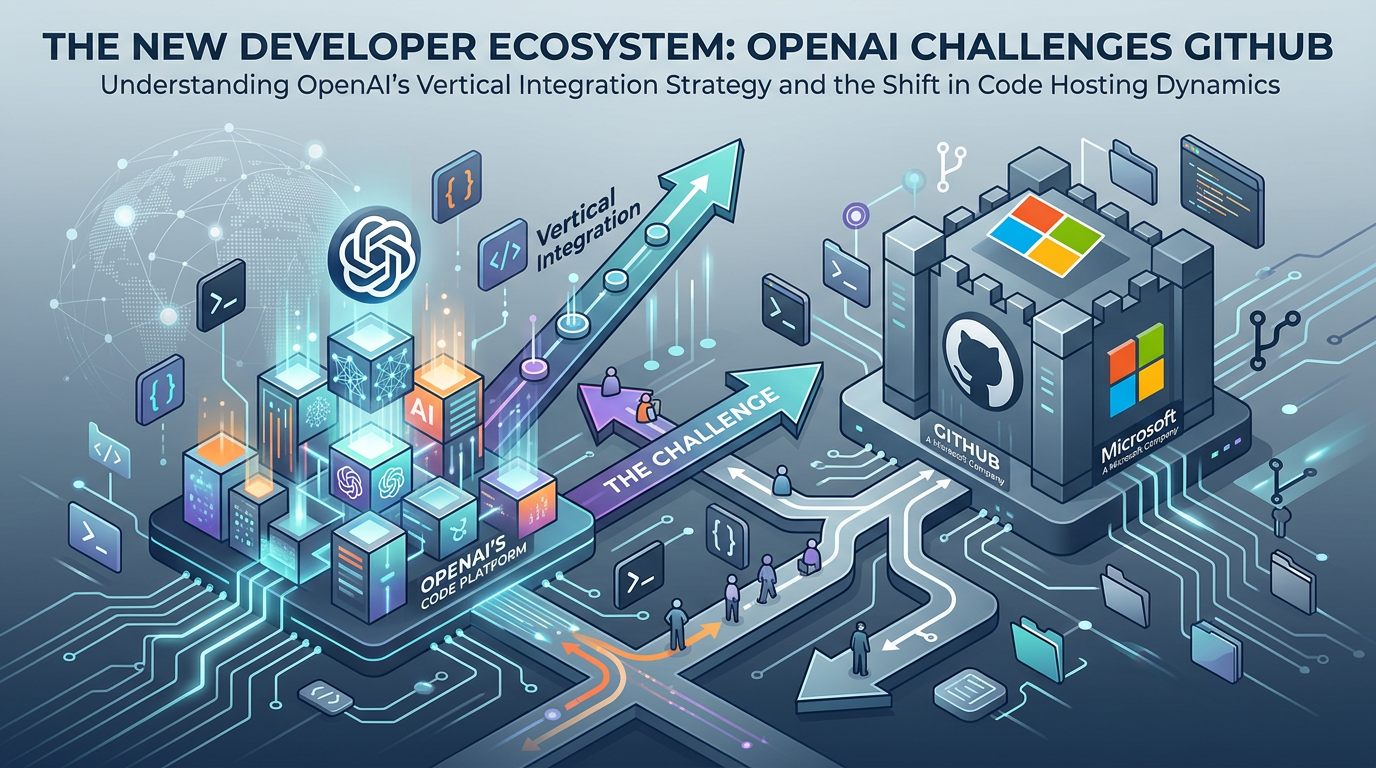
OpenAI baut Berichten zufolge einen GitHub-Rivalen — gerichtet gegen Microsoft
The Information und Reuters berichten, dass OpenAI einen GitHub-Konkurrenten entwickelt, nachdem es vermehrt zu Ausfällen gekommen ist — ein direkter Schritt gegen Microsoft, den Unterstützer und Eigentümer von GitHub im Wert von 7,5 Milliarden US-Dollar.
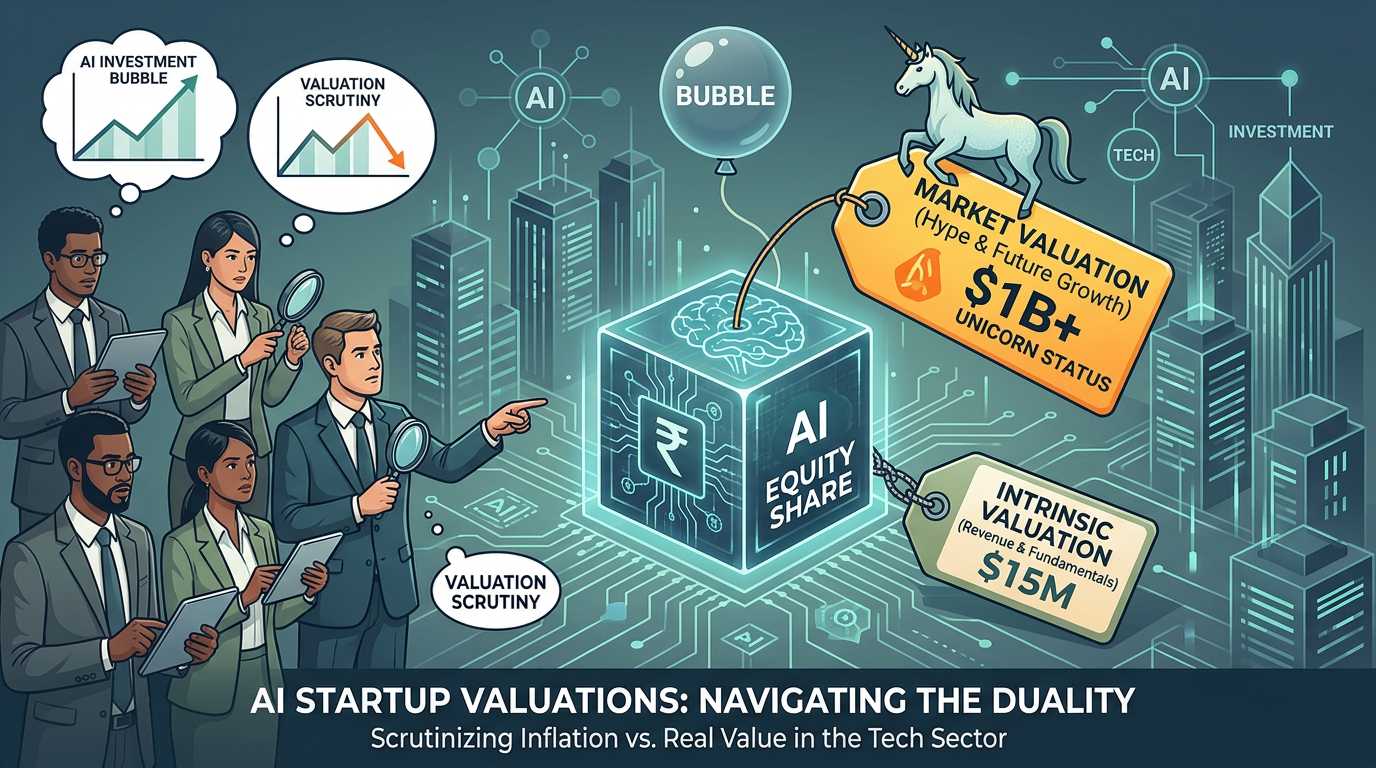
Eine Aktie, zwei Preise: Der Unicorn-Trick und die Vanity-Metric-Falle
AI-Startups wie Aaru und Serval verkaufen Aktien zu zwei Preisen für eine Unicorn-Schlagzeile; die gleiche Diskrepanz zwischen Schlagzeile und Realität ist die Vanity-Metric-Falle, in die Marken bei der AI-Sichtbarkeit tappen.

Alibabas Qwen-Tech-Leiter tritt 24 Stunden nach dem Launch von Qwen3.5 zurück
Junyang Lin verließ Alibabas Qwen-Team ~24 Stunden nach der Veröffentlichung von Qwen3.5, das Musks Lob erhielt. Für GEO ist das Signal die Vielfalt der Engines, nicht Klatsch.
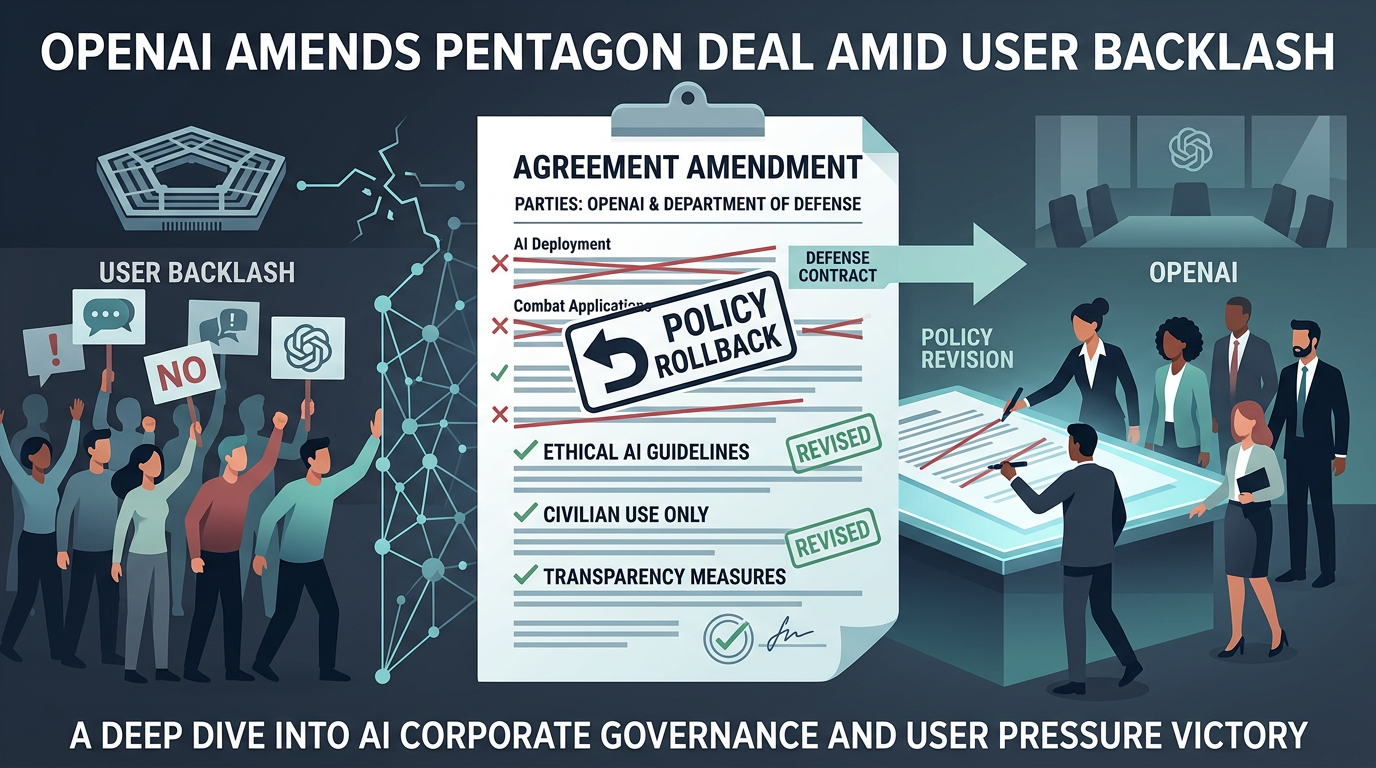
OpenAI ändert seinen Pentagon-Deal nach Kritik, und Sam Altman gibt zu, dass es unprofessionell wirkt.
Ein Anstieg der Deinstallationen um 295 % zwang OpenAI, seinen Pentagon-Deal innerhalb weniger Tage zu ändern – ein Beweis dafür, dass Wahrnehmung eine schnelle, messbare Variable ist und warum Marken darauf achten müssen, wie KI sie beschreibt.
Ars Technica feuert Reporter wegen KI-falscher Zitate: Was das für GEO bedeutet
Die Entlassung bei Ars Technica aufgrund von KI-erfundenen Zitaten zeigt, wie verzerrte Quellen in KI-Antworten einfließen — und macht die Integrität von Zitaten zu einem Anliegen für Marken-GEO und Reputation.
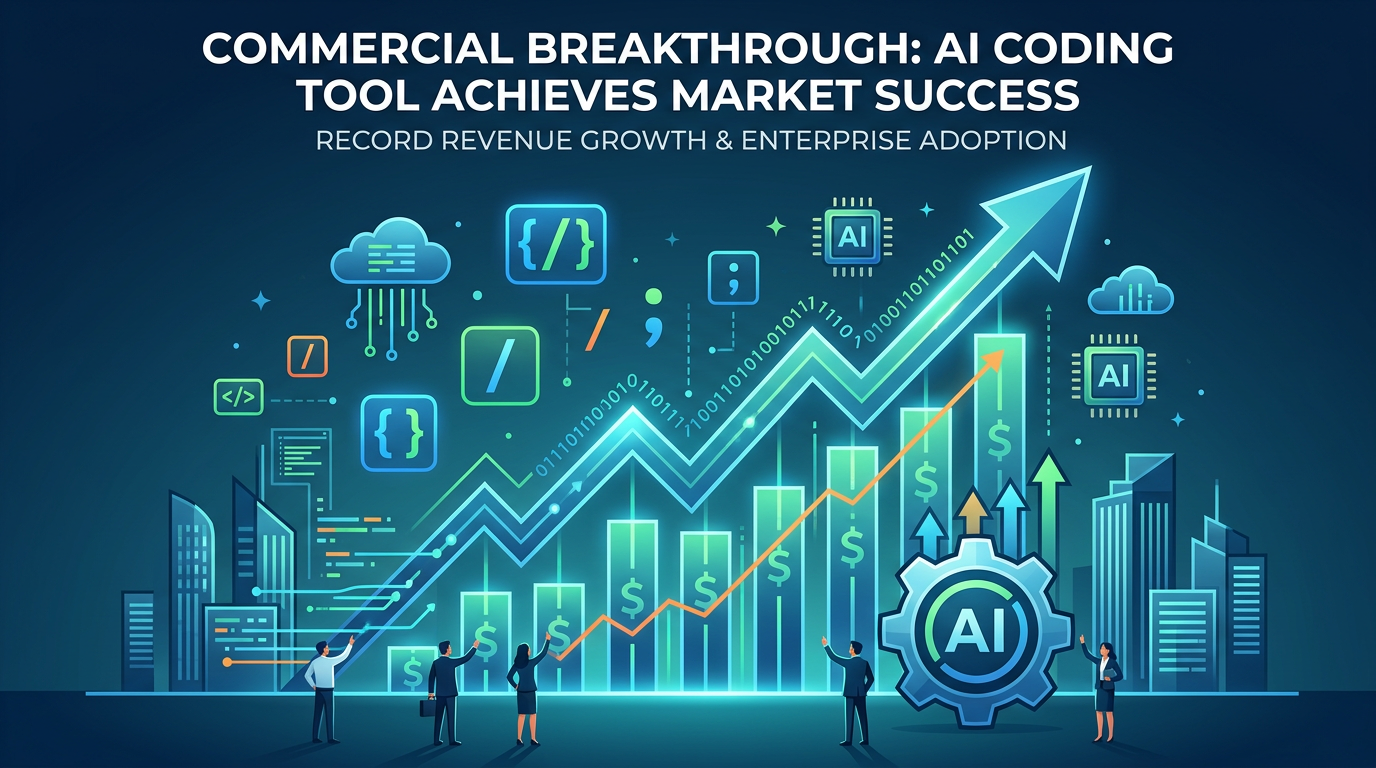
Cursor erreicht 2 Milliarden USD Umsatz: Was das Mainstreamwerden von KI-Codierung für die Markenpräsenz bedeutet
Cursor hat 2 Milliarden USD Jahresumsatz überschritten, mit einer Verdopplung der Run-Rate in drei Monaten und ~60 % aus dem Unternehmensbereich – ein Zeichen dafür, dass Entwickler-Tools jetzt in KI-Assistenten ausgewählt werden und nicht mehr auf Landingpages.
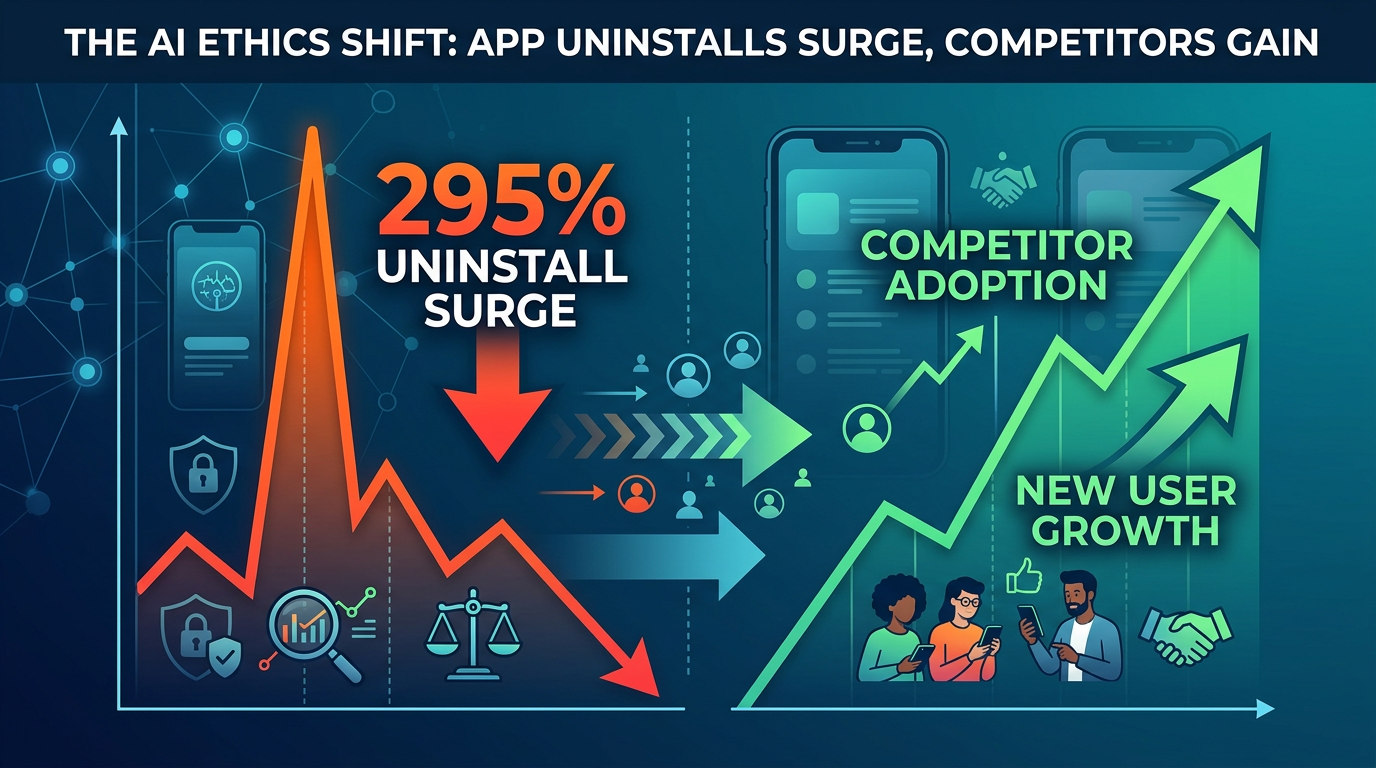
ChatGPT-Deinstallationen steigen um 295 % nach Pentagon-Deal, während Nutzer zu Claude wechseln
ChatGPT-Deinstallationen stiegen um 295 %, und Claude erreichte an einem Wochenende Platz 1 – ein Beweis dafür, dass KI-Nutzer basierend auf Werten den Assistenten wechseln und warum Markenpräsenz nicht auf eine einzige Strategie setzen darf.
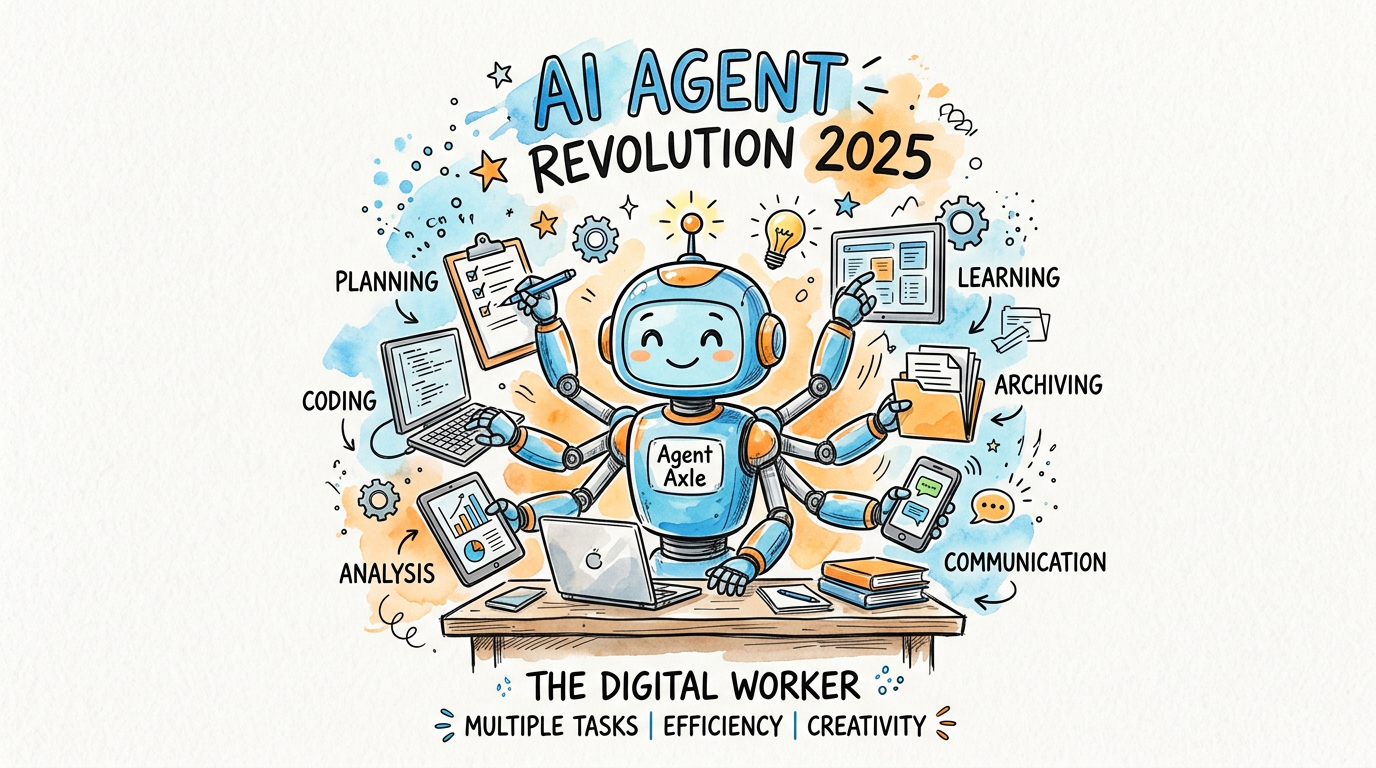
Die Revolution der KI-Agenten: 2025, das Jahr, in dem KI zu handeln begann
Von OpenAIs Operator bis zu Claude Computer Use: Die Agenten des Jahres 2025 antworten nicht – sie handeln, indem sie für Nutzer surfen und einkaufen. Wenn eine Maschine einkauft, entscheidet die Sichtbarkeit der Marken-KI im KI-Regal über den Verkauf.
Die DeepSeek-Wirkung: Ein globaler KI-Preiskrieg und warum er GEO größer macht
DeepSeek V4 hat die Preise konkurrierender APIs um über 90 % unterboten und einen globalen Preiskrieg ausgelöst; günstigere Inferenz bedeutet mehr KI-Oberflächen und mehr Orte, an denen Ihre Marke empfohlen oder ignoriert werden kann.
OpenAIs 110-Milliarden-Dollar-Finanzierung: Was Mega-Funding für den GEO-Markt bedeutet
OpenAIs 110-Milliarden-Dollar-Finanzierung festigt ChatGPT als robuste Antwort-Infrastruktur — sie entkräftet den Einwand 'Plattformen könnten nicht von Dauer sein' und bestätigt den Markt für GEO-Tools.
Nutzer kehren ChatGPT den Rücken und wechseln zu Claude – und warum das jede Marke beunruhigen sollte, die auf eine einzige Engine setzt
Ein einziger Ethik-Skandal katapultierte Claude auf Platz 1 im App Store, mit einem Anstieg der kostenlosen Nutzer um 60 % seit Januar – ein Beweis dafür, dass der Marktanteil von KI-Assistenten sich innerhalb von Tagen ändern kann und die Markenpräsenz über alle Engines hinweg verfolgt werden muss.

Durchbruch im Bereich KI-Gedankenlesen: Maschinen lernen, menschliche Absichten zu entschlüsseln
Stanford verwandelte im August 2025 die innere Sprache eines gelähmten Patienten in Echtzeit-Text — ein Beweis dafür, dass KI die Entschlüsselung von Absichten meistert, dieselbe Fähigkeit, die vage Anfragen in Produktempfehlungen umwandelt.
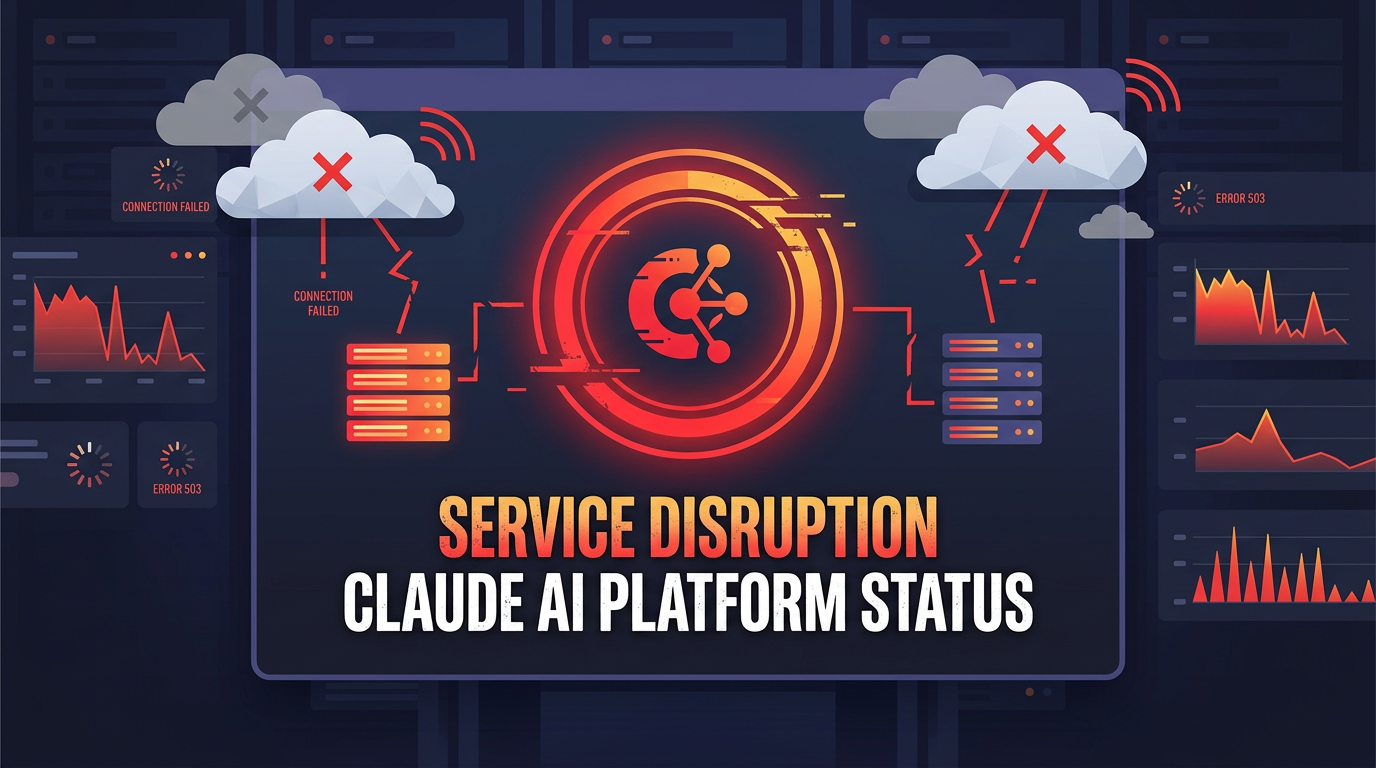
Als Claude ausfiel: Anthropics Ausfall am Montag und das Risiko der KI-Konzentration
Claude.ai und Claude Code waren am Montag, den 2. März 2026, aufgrund eines Login-/Logout-Fehlers nicht erreichbar, nur wenige Tage nachdem sie die App-Store-Charts angeführt hatten — eine Lektion, warum Marken ihre KI-Sichtbarkeit nicht auf eine einzige Engine stützen sollten.

AI-Datenzentren rasen in die Arktis – und was das für Marken bedeutet
Über 50 AI-Datenzentren entstehen in den nordischen Ländern – eine milliardenschwere Wette darauf, dass AI-gestützte Suche und Shopping strukturell sind, und ein Signal dafür, dass Marken jetzt in AI-Antworten sichtbar werden sollten.
Nach Tag durchsuchen
Nach Autor durchsuchen
Riven Gao is the founder of GEOly AI, building the GEO (Generative Engine Optimization) platform that helps Shopify and DTC brands get seen, cited and recommended by AI engines like ChatGPT, Gemini and Perplexity. He writes about AI search, agentic commerce and brand growth in the AI era.
Jake Ward is a UK growth entrepreneur behind Mentions.so (AI-visibility tracking), the SEO agency Contact.so, Byword.ai and Kleo. Famous for the 2023 viral 'SEO heist', he has since become one of the loudest voices on LLM SEO — 'get cited, not clicked' — sharing data-driven takes on how brands win visibility in ChatGPT, Perplexity and Google AI. Featured here as a guest expert; views are his own.
The GEOly editorial team covers GEO (Generative Engine Optimization), AI search and agentic commerce — insights, benchmarks and playbooks that help Shopify and DTC brands get seen, cited and recommended by AI engines.
GEOly News tracks the daily signals shaping AI search, agentic commerce and AI advertising — what OpenAI, Google, Meta, Shopify, Stripe and PayPal ship, and what it means for globalizing brands that want to be seen, cited and recommended by AI engines.
The GEOly Platform team publishes buyer guides and hands-on breakdowns of GEO/AEO tooling for e-commerce and DTC brands — how to pick a stack, what to measure (AIGVR, Share of Voice, Share-of-Card), and how to turn AI visibility into orders across Shopify, Wix, BigCommerce, WooCommerce and Squarespace.
The GEOly AI SEO team publishes SEO and search-visibility playbooks for the AI era — technical SEO, on-page and content optimization, AEO/GEO fundamentals, and how to rank, get cited and recommended across Google, AI Overviews and AI engines like ChatGPT, Gemini and Perplexity.
The GEOly AI GEM (Generative Engine Marketing) team covers advertising in the AI era — AI search ads, ChatGPT/Perplexity ad formats, agentic commerce monetization, campaign strategy and measurement — helping globalizing brands turn AI visibility into paid growth.
One of the strongest technical voices on AI search, relevance engineering, query fan-out, vector retrieval, and the future of SEO.
Publishes practical investigations into Google AI Overviews, citation quality, algorithm updates, and spam risks.
Creates accessible checklists, videos, and interviews on AI search, ecommerce SERPs, and technical SEO.
Growth Memo is one of the strongest recurring research sources on AI visibility, SEO strategy, citations, and growth.
Early AEO thinker focused on how search and AI systems understand entities, brands, and knowledge graphs.
Publishes clear frameworks on GEO, content distribution, Reddit, and becoming a cited source in AI answers.
Publishes analysis on AI search volatility, citations, prompt testing, and answer-engine visibility.
Highly active with practical posts on GEO case studies, AI Overview scorecards, and new SEO metrics.
Long-time SEO leader now focused on entity-first AEO and tools for improving brand visibility in LLMs.
WordLift CEO, strong technical voice on knowledge graphs, structured data, semantic SEO, and LLM grounding.
Publishes sharp analysis on zero-click search, AI Overviews, brand memorability, and strategic SEO adaptation.
Known for hands-on reverse-engineering of how AI search systems discover, use, and cite information.
Publishes in-depth German and English work on LLMO, GEO, E-E-A-T, patents, and brand context optimization.
CMO of Peec AI, former Idealo/Searchmetrics leader, focused on enterprise-scale AI visibility and SEO operations.