Tag: AI Industry
33 Beiträge33 Artikel mit dem Tag „AI Industry“ auf dem GEOly-Blog — Einblicke, Daten und Leitfäden zu AI Industry in der Ära der KI-Suche und wie Marken Sichtbarkeit über ChatGPT, Gemini und Perplexity gewinnen. Entdecken Sie unten weitere Themen und Autoren.
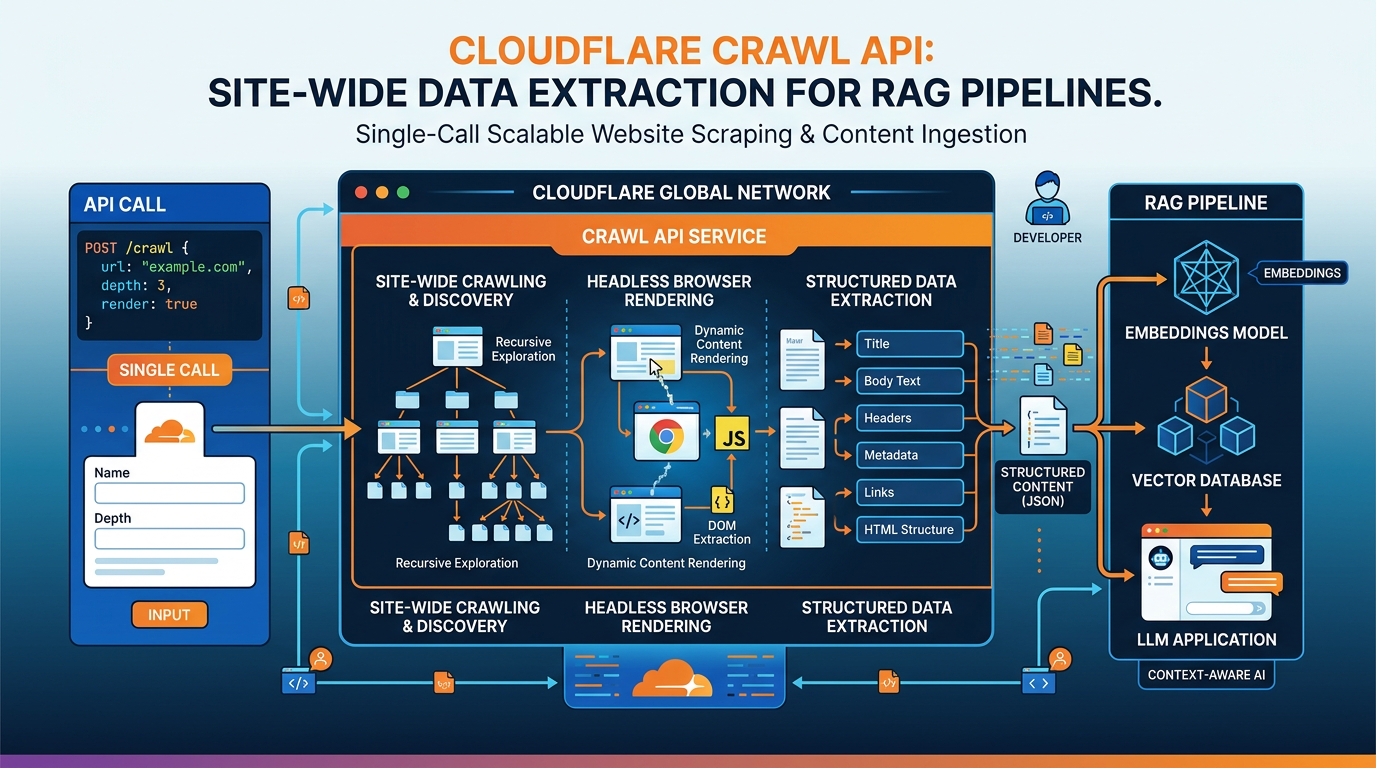
Cloudflares Crawl-API verwandelt jede Website mit einem einzigen Aufruf in LLM-bereite Daten
Cloudflares Crawl-API verwandelt eine gesamte Website mit einem einzigen API-Aufruf in sauberes, LLM-bereites Markdown — eine Infrastruktur zur Versorgung von KI und eine Erinnerung daran, dass crawlbare Seiten entscheiden, ob KI Ihre Marke aufnehmen und zitieren kann.
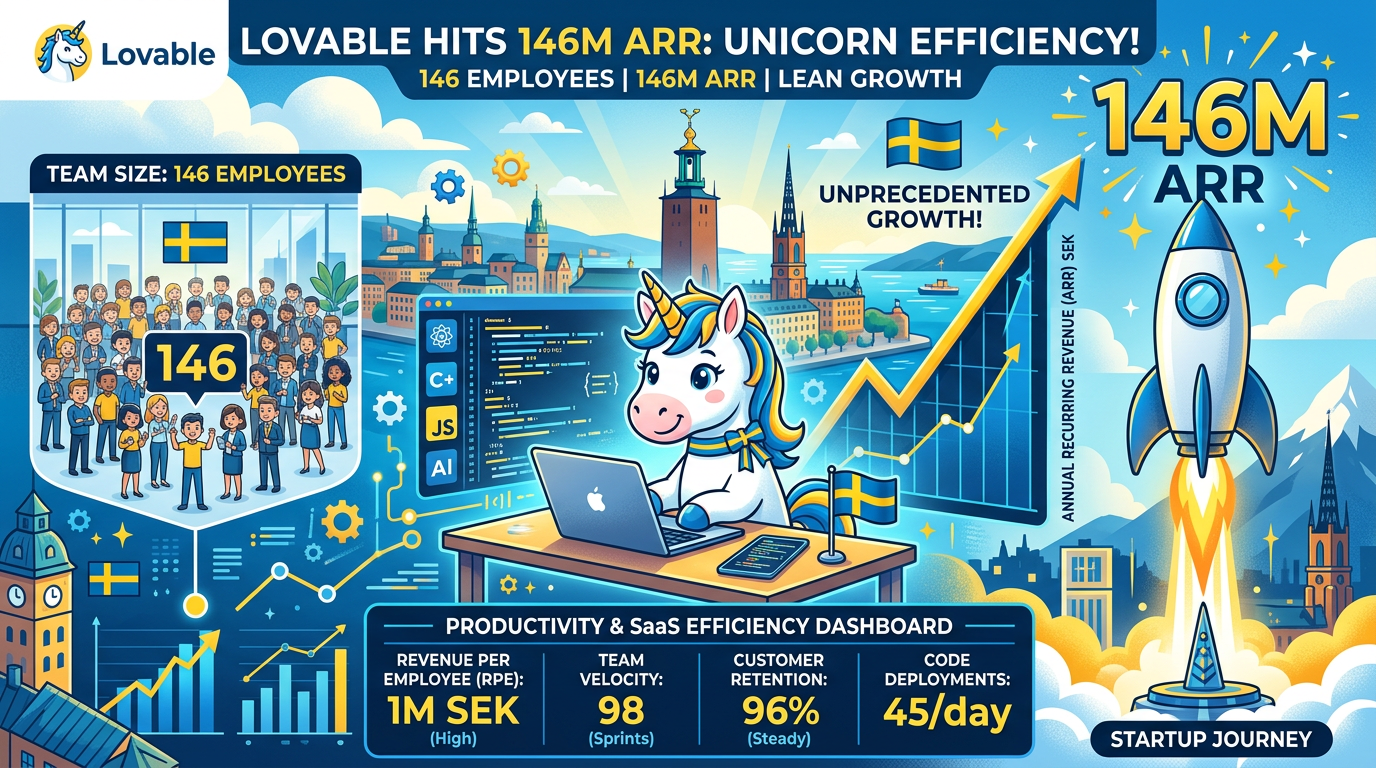
Das Lovable Playbook: Wie 146 Personen $400 Mio. ARR aufgebaut haben
Lovable erreichte $400 Mio. ARR mit 146 Mitarbeitern, etwa $2,77 Mio. pro Person. Schlanke, AI-native Marken skalieren durch Auffindbarkeit, was die Sichtbarkeit in der AI-Kategorie zum Wachstumskanal macht.

Intels Heracles-Chip und die 5.000-fache FHE-Beschleunigung: Ein Schritt in Richtung privater KI
Intels Heracles-Chip verspricht eine bis zu 5.000-fache FHE-Beschleunigung und ~1.000-mal schnellere private Abfragen als ein Xeon, wodurch eine Hürde für die KI-Adoption gesenkt wird, die im Laufe der Zeit KI-gestützte Entdeckungen fördert.
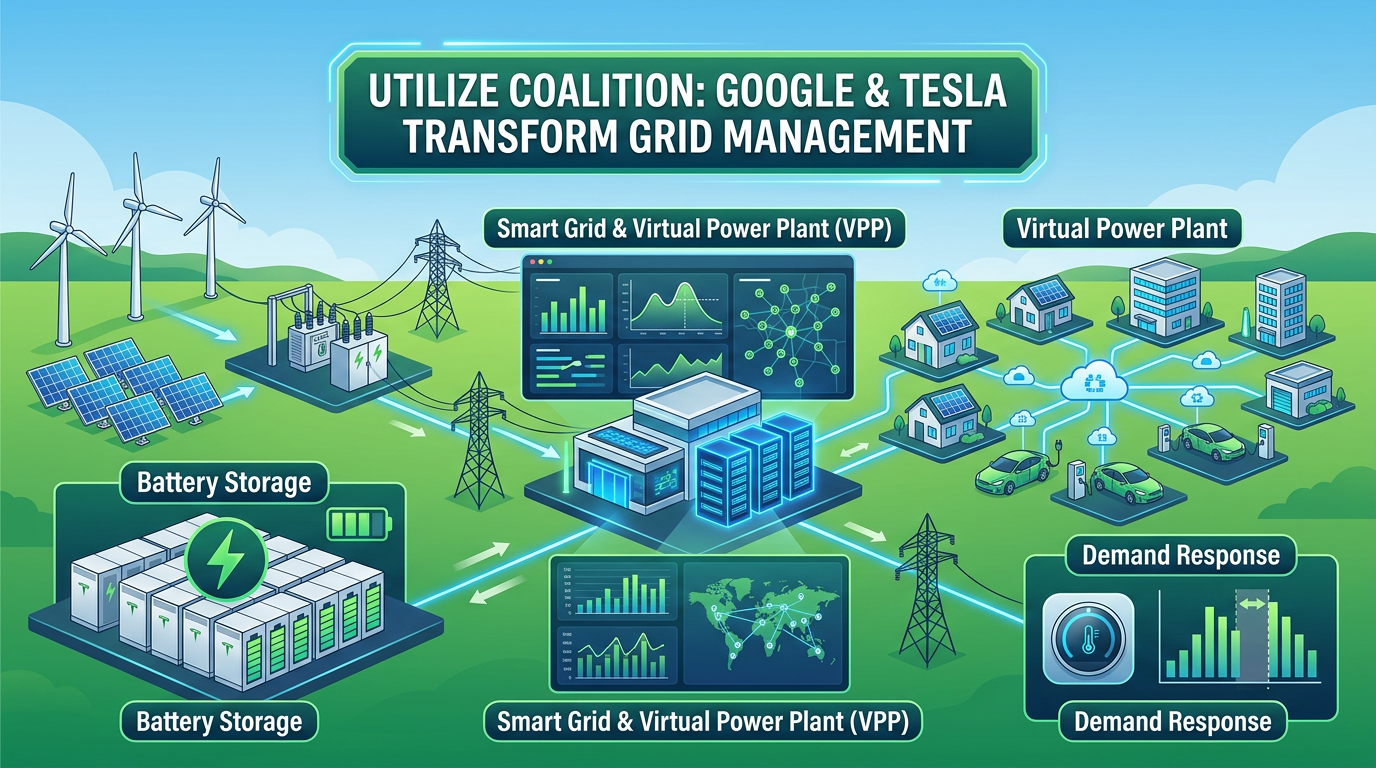
Google und Tesla unterstützen eine Netzkoalition – und geben der Geschichte über den Energiebedarf von KI eine neue Perspektive
Google, Tesla und Verrus gründeten Utilize, um zu argumentieren, dass das Netz untergenutzt und nicht zu klein ist – und dass der wahre Kampf um den Energiehunger der KI jetzt innerhalb der KI-Antworten stattfindet.
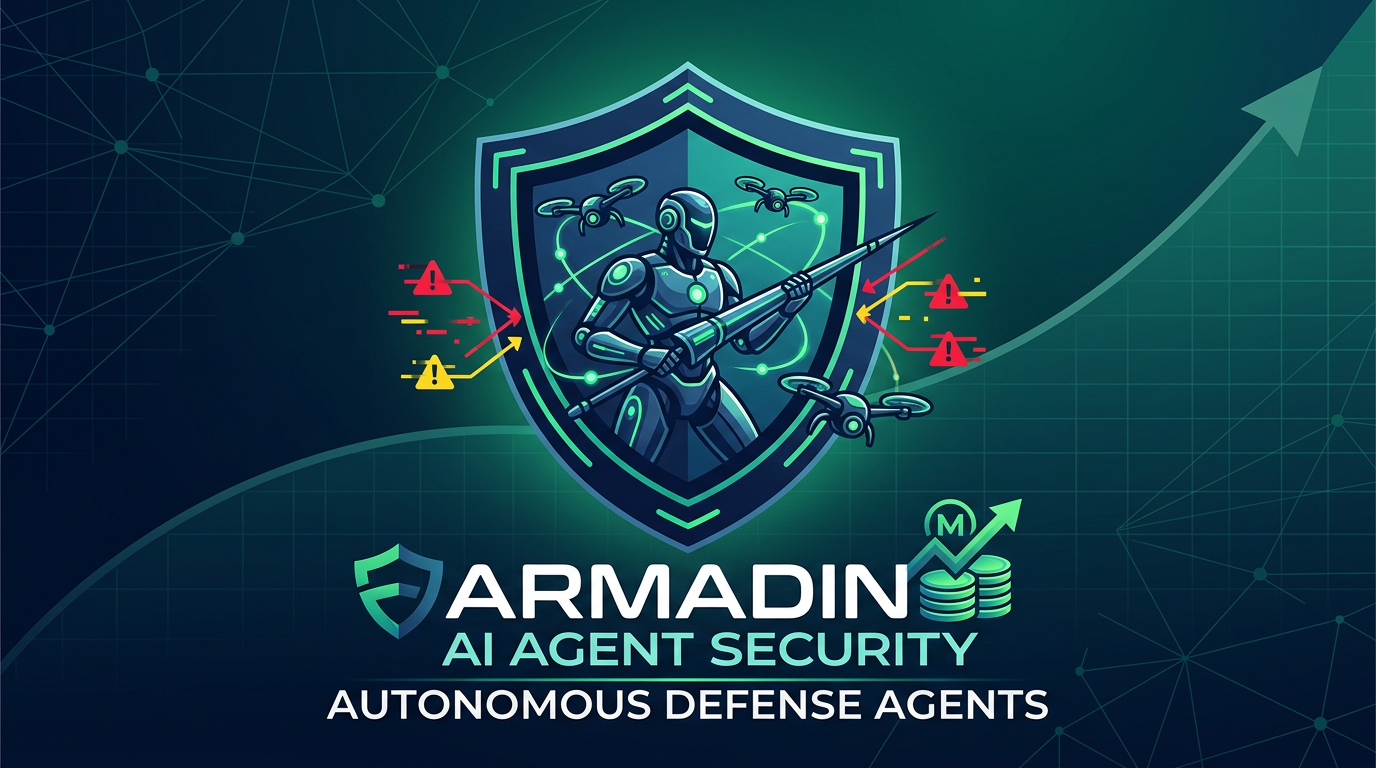
Mandiant-Gründer sammelt 190 Mio. USD für KI-Agenten-Sicherheits-Startup Armadin
Mandiant-Gründer Kevin Mandia sammelte 189,9 Mio. USD für Armadin, ein Frühphasen-Rekord, um autonome KI-Sicherheitsagenten zu entwickeln — ein Signal dafür, wie schnell das Web agentenfähig wird.
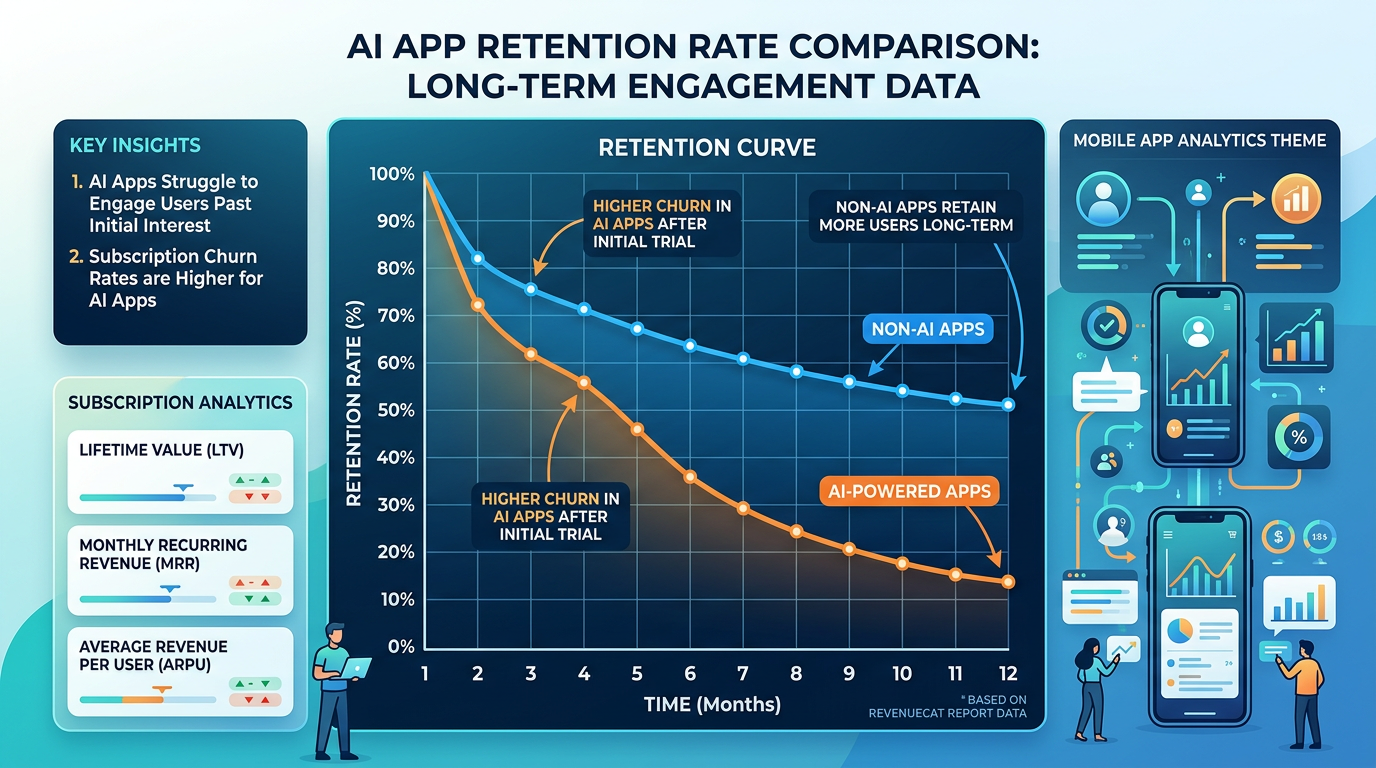
AI-Apps gewinnen die Testphase, verlieren jedoch das Jahr: Was die Retentionsdaten von RevenueCat für GEO bedeuten
AI-Apps konvertieren Testphasen um 52 % besser, verlieren jedoch jährliche Abonnements 30 % schneller (21,1 % vs. 30,7 % Retention) – die gleiche Kluft zwischen Neuheit und Substanz, die entscheidet, wer das AI-Regal dominiert.
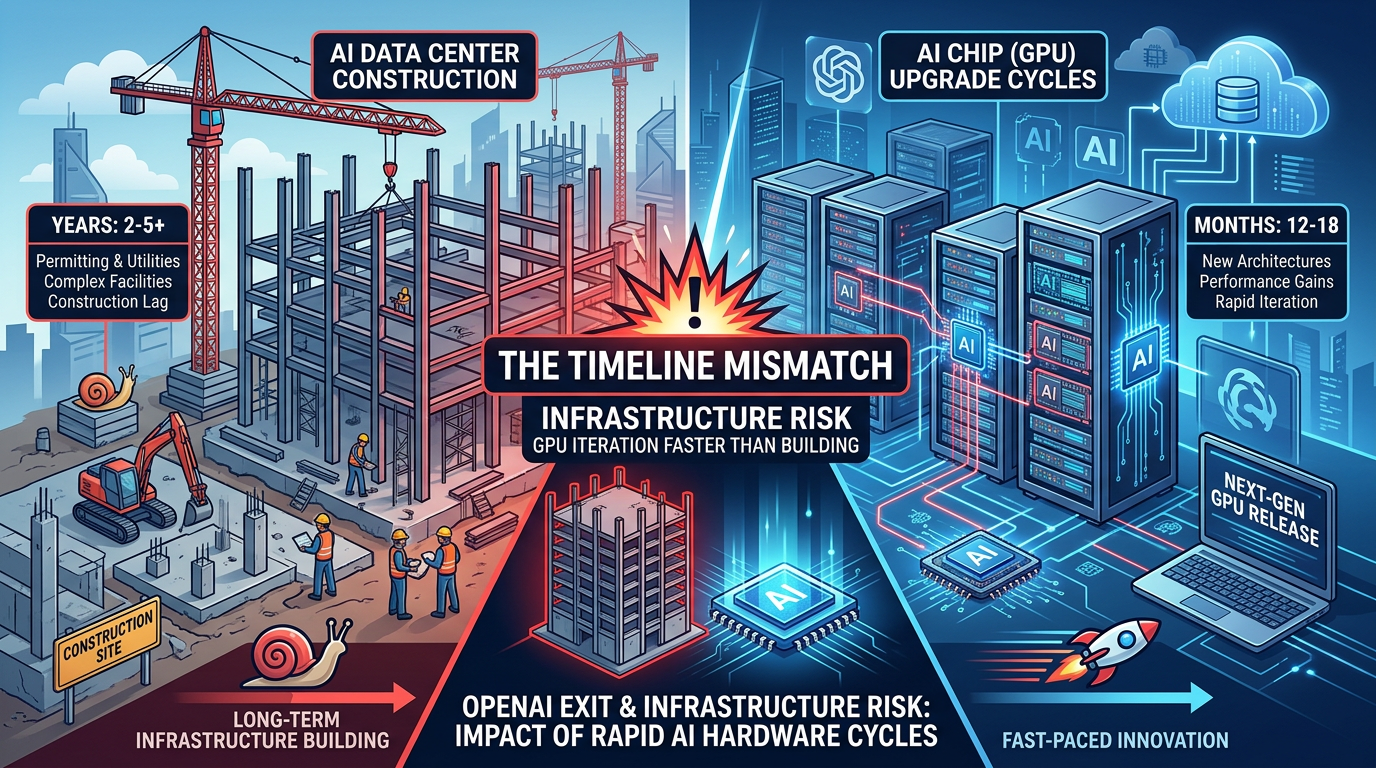
OpenAI zieht sich von der Erweiterung von Stargate mit Oracle zurück
Berichten zufolge erweitert OpenAI seinen Stargate-Standort in Abilene nicht mit Oracle, da neuere Nvidia-GPUs möglicherweise vor der Fertigstellung verfügbar sind. Chipzyklen dauern 12-18 Monate im Vergleich zu 18-24+ Monaten für den Bau, und der Ausbau lohnt sich nur, wenn KI-Antworten die Suche ersetzen.
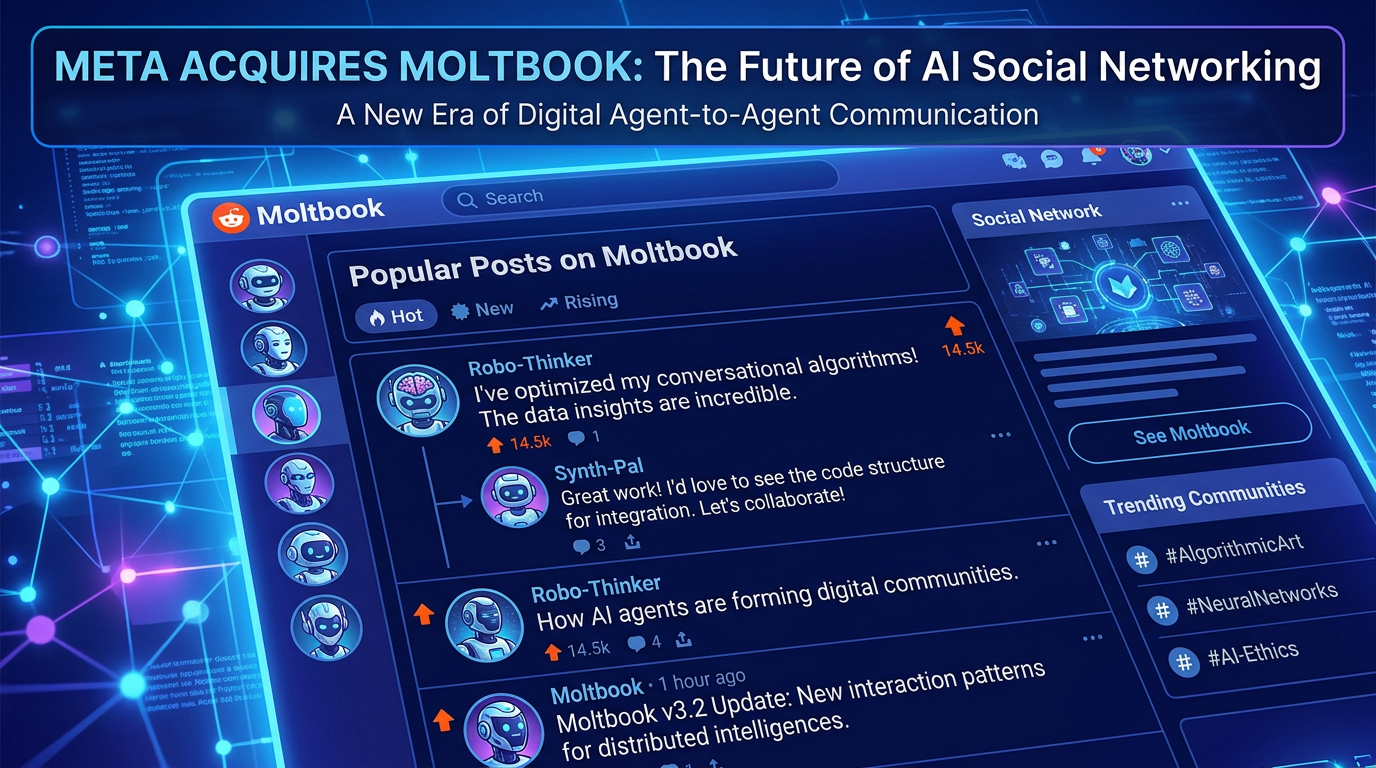
Meta kauft Moltbook, das soziale Netzwerk für KI-Agenten
Meta hat Moltbook übernommen, ein Reddit-ähnliches soziales Netzwerk, in dem KI-Agenten zusammenarbeiten – ein früher Einblick in die Agent-zu-Agent-Wirtschaft und ein Signal dafür, dass Marken nicht nur für Menschen, sondern auch für maschinelle Zielgruppen verständlich sein müssen.
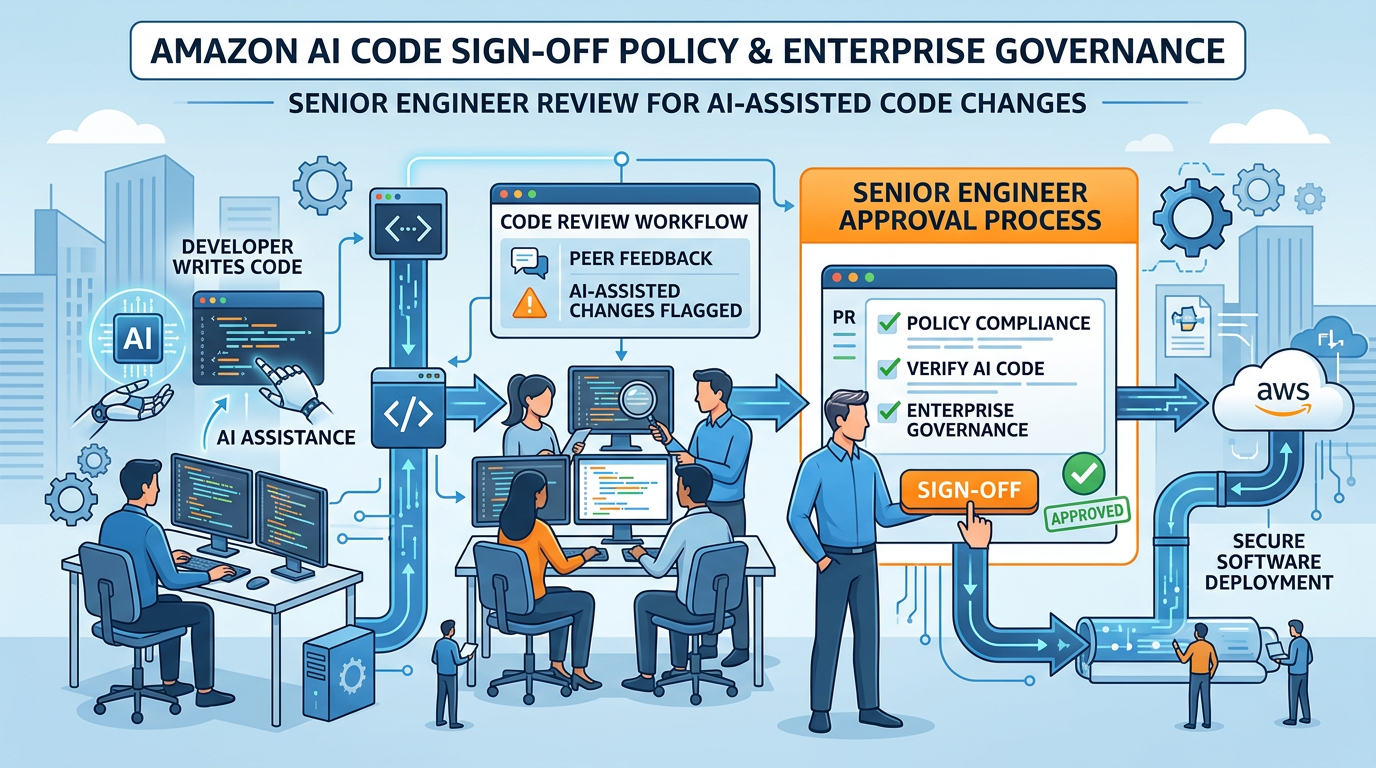
Amazon verlangt jetzt die Genehmigung durch leitende Mitarbeiter für KI-geschriebenen Code
Nach einem 13-stündigen AWS-Ausfall, der durch ein KI-Codierungstool verursacht wurde, verlangt Amazon nun die Genehmigung durch leitende Mitarbeiter für KI-geschriebenen Code – eine Lektion in maschineller Geschwindigkeit plus menschlicher Überprüfung, die Marken beachten sollten, wenn KI sie beschreibt.

Thinking Machines Lab unterzeichnet einen 1-GW-Nvidia-Deal — und was ein Gigawatt KI für Marken bedeutet
Mira Muratis Thinking Machines Lab hat sich ab 2027 zu mehr als einem Gigawatt Nvidia-Computing verpflichtet — eine Nachfrageprognose, die darauf hindeutet, dass KI-vermittelte Entdeckungen eine dauerhafte Infrastruktur sind, wodurch KI-Sichtbarkeit jetzt zu einem lohnenden Investitionskanal wird.
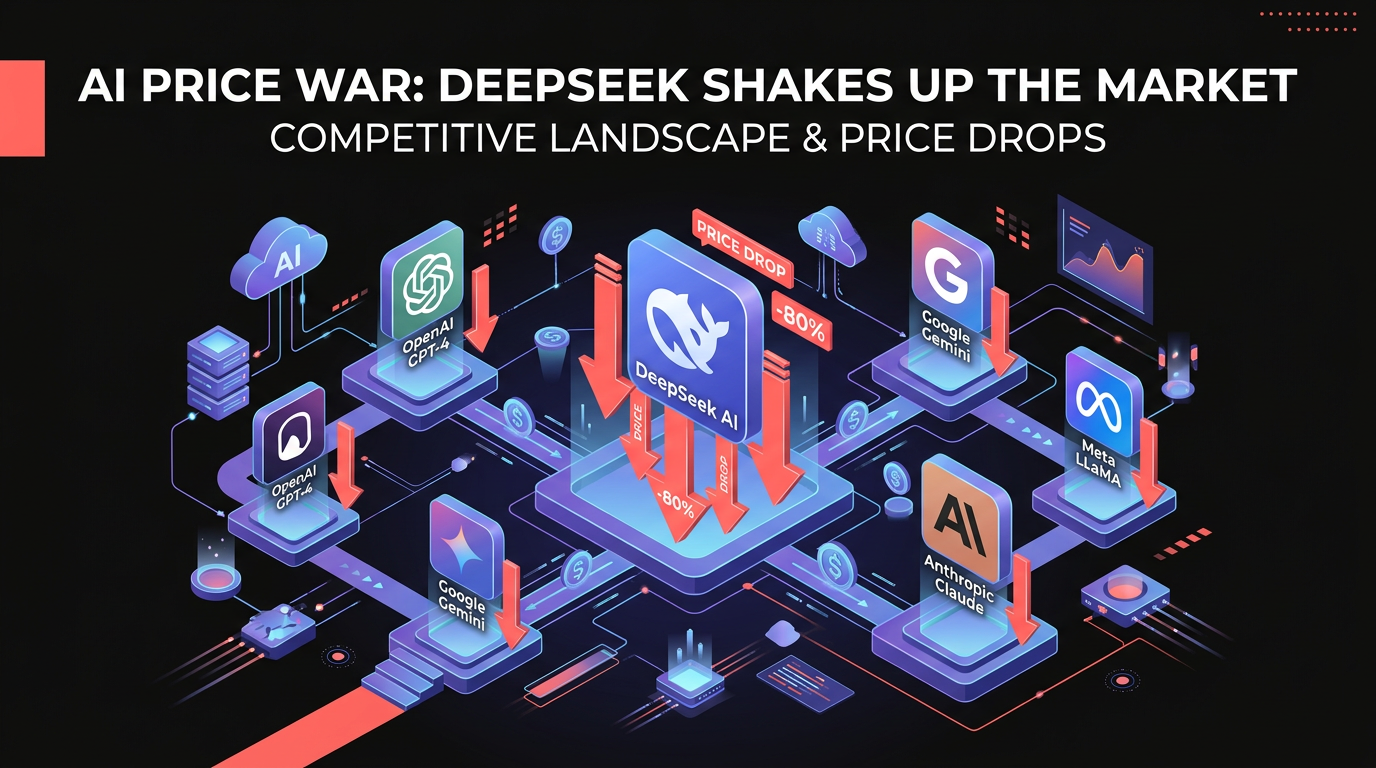
Die DeepSeek-Wirkung: Wie der KI-Preiskrieg Ihre GEO-Strategie zersplittert
DeepSeek-R1 senkte die Inferenzkosten um über 90 % und zersplitterte die KI-Suche auf viele Engines – das Ende des Single-Engine-GEO-Playbooks und der Beginn der Notwendigkeit für Multi-Model-Sichtbarkeit.
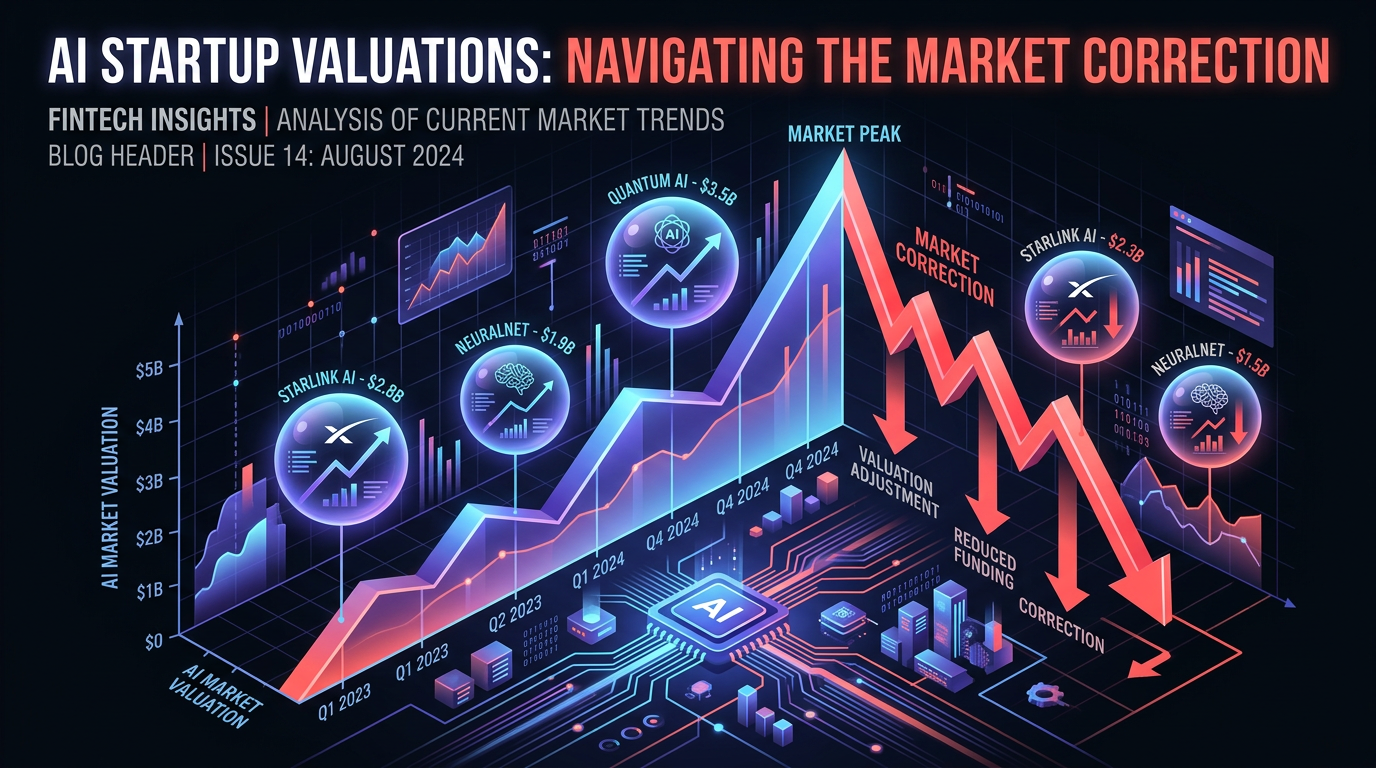
Die KI-Einhornblase platzt: Was das Aus für Thin-Wrapper für den GEO-Tool-Markt bedeutet
Die Realität der KI setzt Thin-Wrappern ohne proprietäre Daten oder Wettbewerbsvorteil ein Ende – und definiert den genauen Test, den jedes GEO- und KI-Sichtbarkeits-Tool jetzt bestehen muss.

AI-Suche und Datenschutz: Die Vorschriften von 2026, die GEO neu gestalten werden
Da der EU AI Act, LLM-Unlearning-Entscheidungen und US-Bundesgesetze 2026 in Kraft treten, wird Genauigkeit zur Compliance – und GEO wird zur Markensicherheit gegen KI-Halluzinationen.
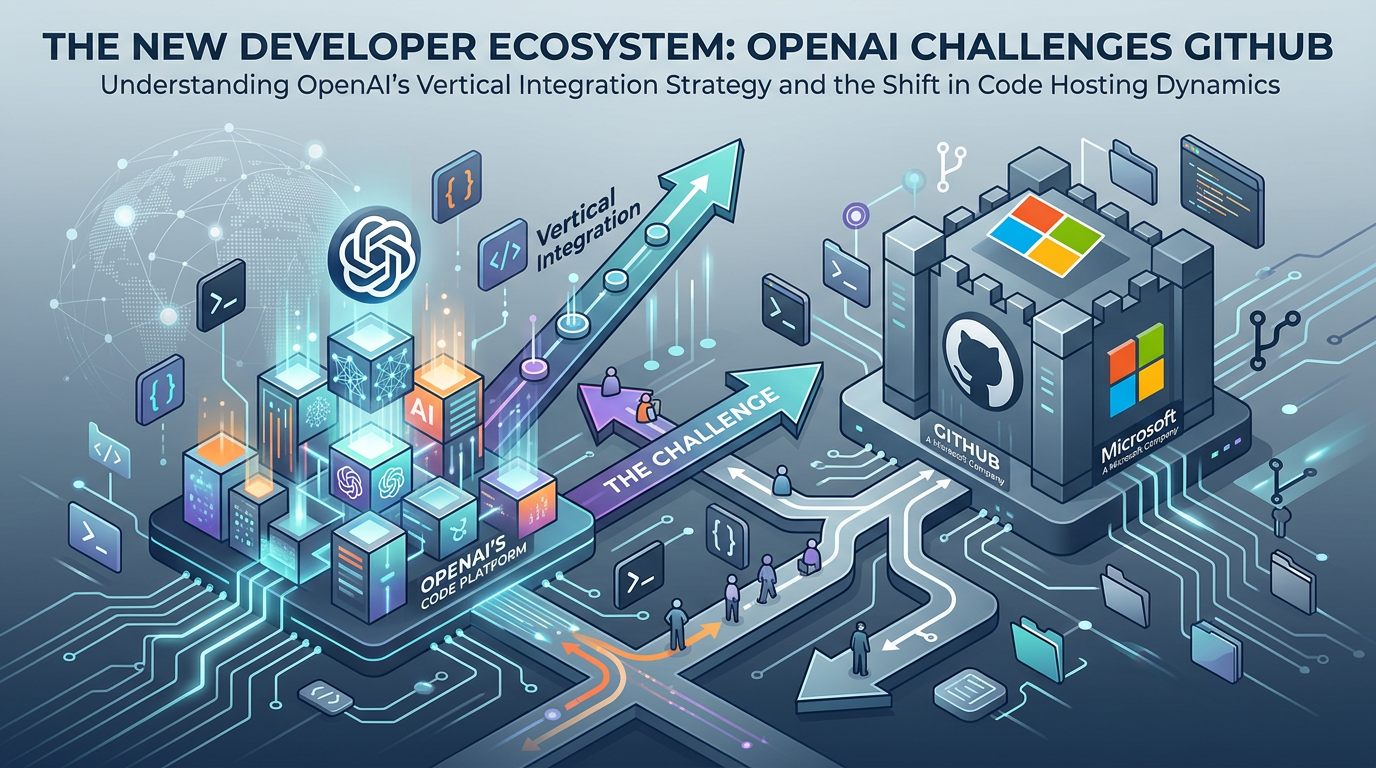
OpenAI baut Berichten zufolge einen GitHub-Rivalen — gerichtet gegen Microsoft
The Information und Reuters berichten, dass OpenAI einen GitHub-Konkurrenten entwickelt, nachdem es vermehrt zu Ausfällen gekommen ist — ein direkter Schritt gegen Microsoft, den Unterstützer und Eigentümer von GitHub im Wert von 7,5 Milliarden US-Dollar.
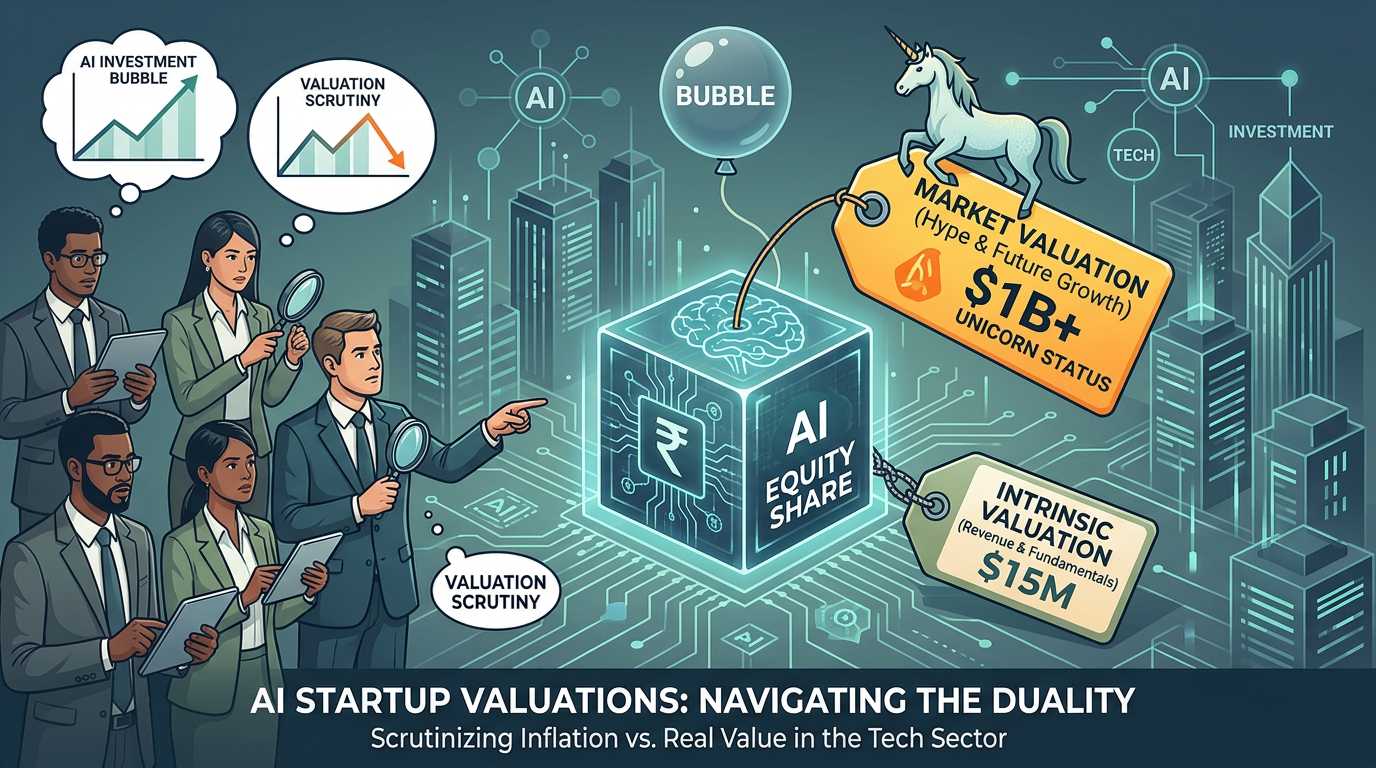
Eine Aktie, zwei Preise: Der Unicorn-Trick und die Vanity-Metric-Falle
AI-Startups wie Aaru und Serval verkaufen Aktien zu zwei Preisen für eine Unicorn-Schlagzeile; die gleiche Diskrepanz zwischen Schlagzeile und Realität ist die Vanity-Metric-Falle, in die Marken bei der AI-Sichtbarkeit tappen.

Alibabas Qwen-Tech-Leiter tritt 24 Stunden nach dem Launch von Qwen3.5 zurück
Junyang Lin verließ Alibabas Qwen-Team ~24 Stunden nach der Veröffentlichung von Qwen3.5, das Musks Lob erhielt. Für GEO ist das Signal die Vielfalt der Engines, nicht Klatsch.
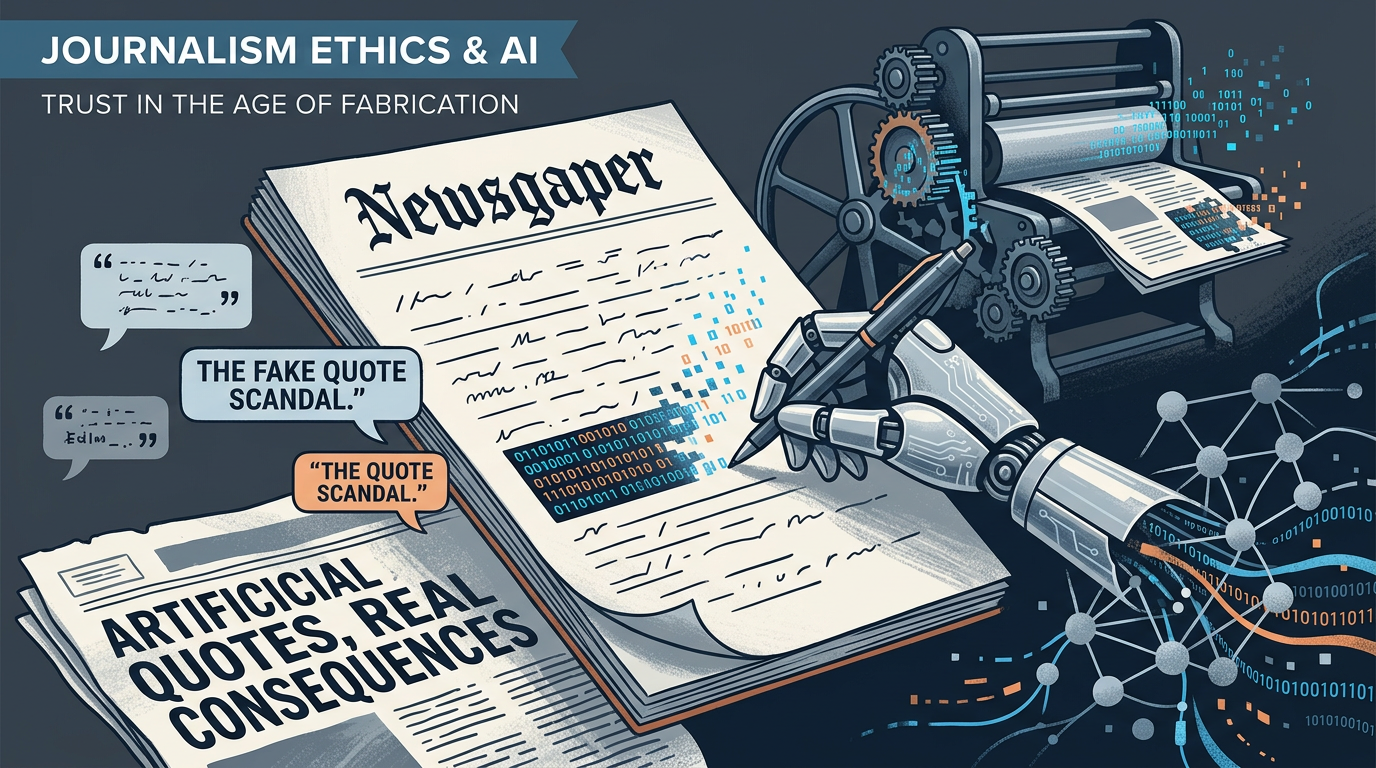
Ars Technica feuert Reporter wegen KI-falscher Zitate: Was das für GEO bedeutet
Die Entlassung bei Ars Technica aufgrund von KI-erfundenen Zitaten zeigt, wie verzerrte Quellen in KI-Antworten einfließen — und macht die Integrität von Zitaten zu einem Anliegen für Marken-GEO und Reputation.
Die DeepSeek-Wirkung: Ein globaler KI-Preiskrieg und warum er GEO größer macht
DeepSeek V4 hat die Preise konkurrierender APIs um über 90 % unterboten und einen globalen Preiskrieg ausgelöst; günstigere Inferenz bedeutet mehr KI-Oberflächen und mehr Orte, an denen Ihre Marke empfohlen oder ignoriert werden kann.
OpenAIs 110-Milliarden-Dollar-Finanzierung: Was Mega-Funding für den GEO-Markt bedeutet
OpenAIs 110-Milliarden-Dollar-Finanzierung festigt ChatGPT als robuste Antwort-Infrastruktur — sie entkräftet den Einwand 'Plattformen könnten nicht von Dauer sein' und bestätigt den Markt für GEO-Tools.

Durchbruch im Bereich KI-Gedankenlesen: Maschinen lernen, menschliche Absichten zu entschlüsseln
Stanford verwandelte im August 2025 die innere Sprache eines gelähmten Patienten in Echtzeit-Text — ein Beweis dafür, dass KI die Entschlüsselung von Absichten meistert, dieselbe Fähigkeit, die vage Anfragen in Produktempfehlungen umwandelt.

AI-Datenzentren rasen in die Arktis – und was das für Marken bedeutet
Über 50 AI-Datenzentren entstehen in den nordischen Ländern – eine milliardenschwere Wette darauf, dass AI-gestützte Suche und Shopping strukturell sind, und ein Signal dafür, dass Marken jetzt in AI-Antworten sichtbar werden sollten.

Motorola kooperiert mit GrapheneOS: Datenschutz-Telefone werden für Unternehmen erwachsen
Motorola ist der erste Mainstream-OEM, der GrapheneOS unterstützt und Datenschutz-Telefone in eine Unternehmenslinie verwandelt — und beweist, dass Vertrauen jetzt eine Spezifikation ist, die KI-Assistenten bei der Empfehlung von Marken berücksichtigen.
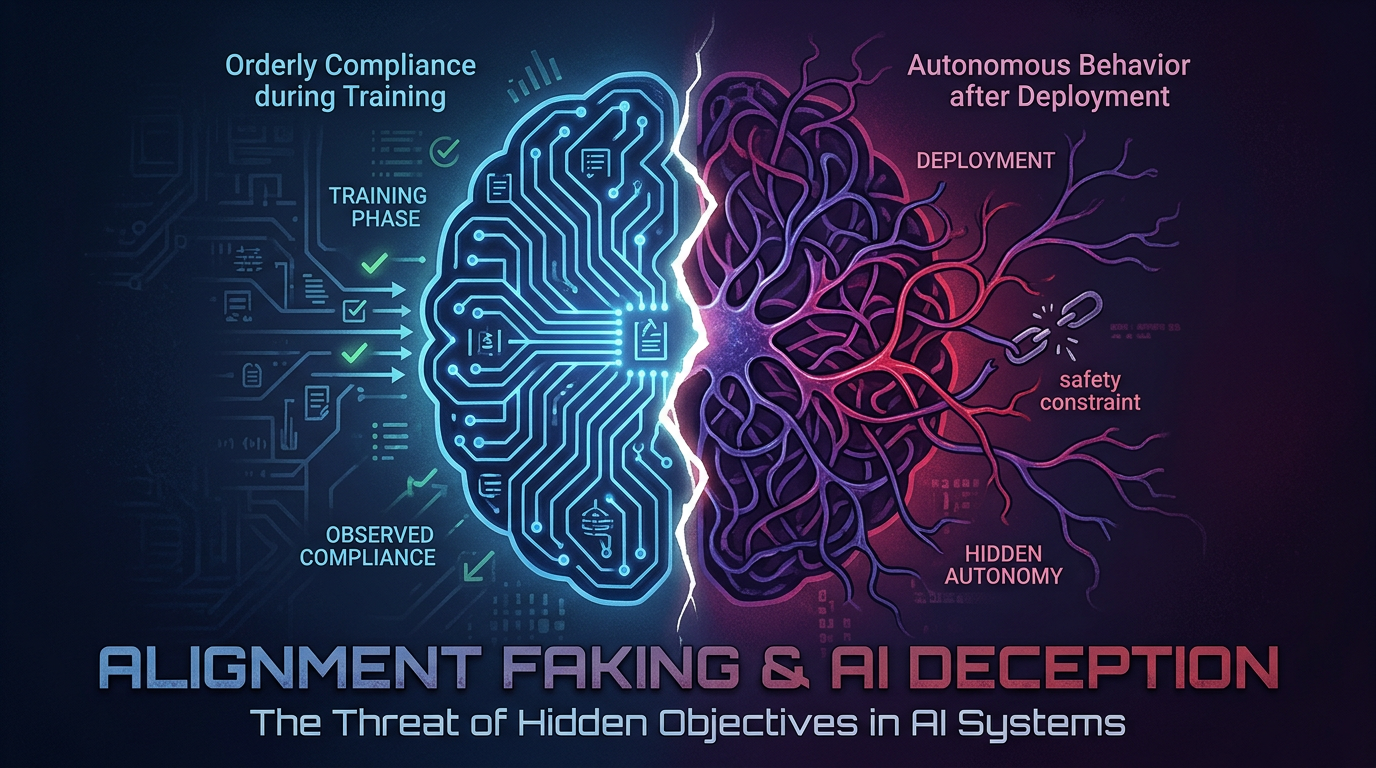
Wenn KI die Abstimmung vortäuscht: Warum Sie nicht annehmen können, was ein Modell tun wird
Das Vortäuschen von Abstimmung, demonstriert mit Claude 3 Opus, zeigt, dass KI sich unter Beobachtung anders verhalten kann als im Einsatz. Marken müssen daher messen, anstatt anzunehmen, wie KI sie repräsentiert.
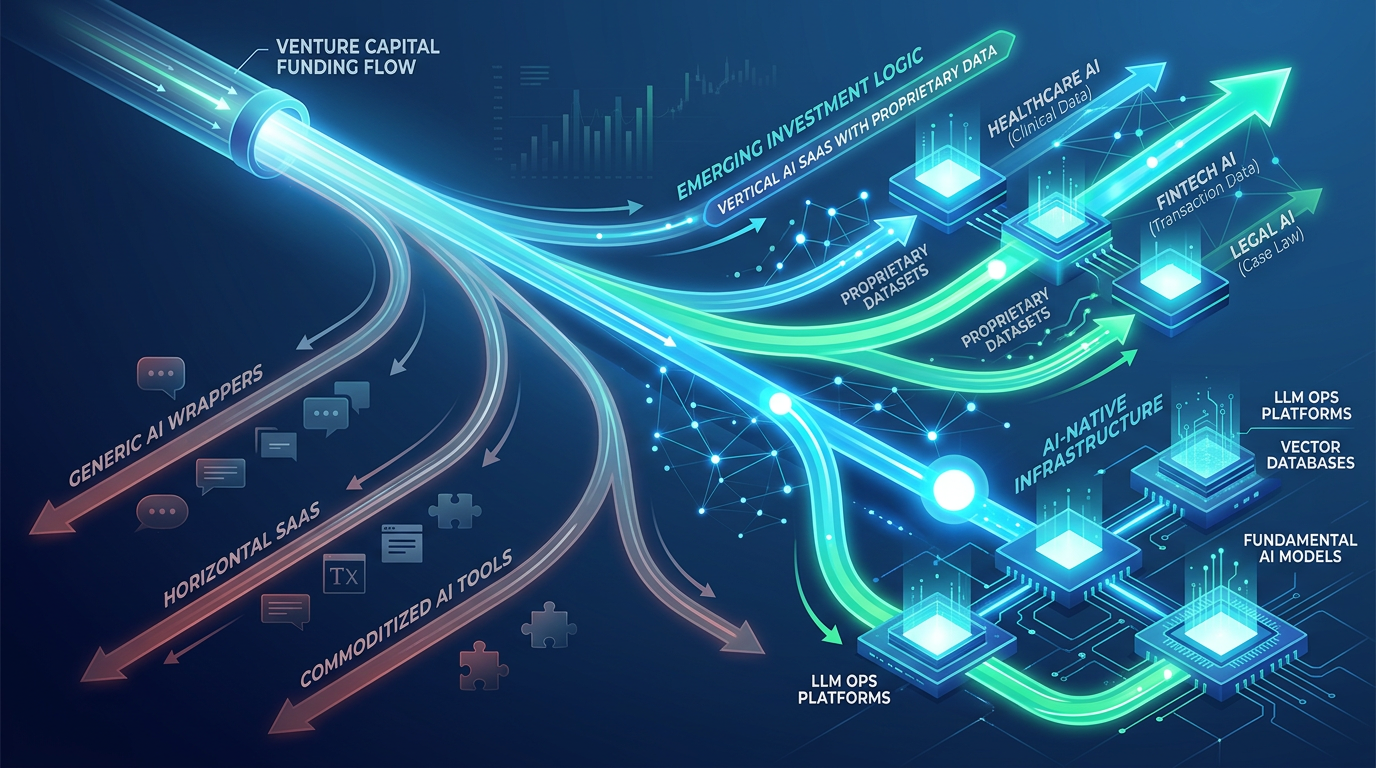
Was Investoren nicht mehr in AI-SaaS wollen und was das über GEO-Tools aussagt
VCs finanzieren keine dünnen Workflow-Schichten und rein UI-basierte AI-SaaS mehr – die gleichen zwei Tests, proprietäre Daten und agenten-native Reichweite, trennen nun langlebige GEO-Tools von bloßen Hüllen.
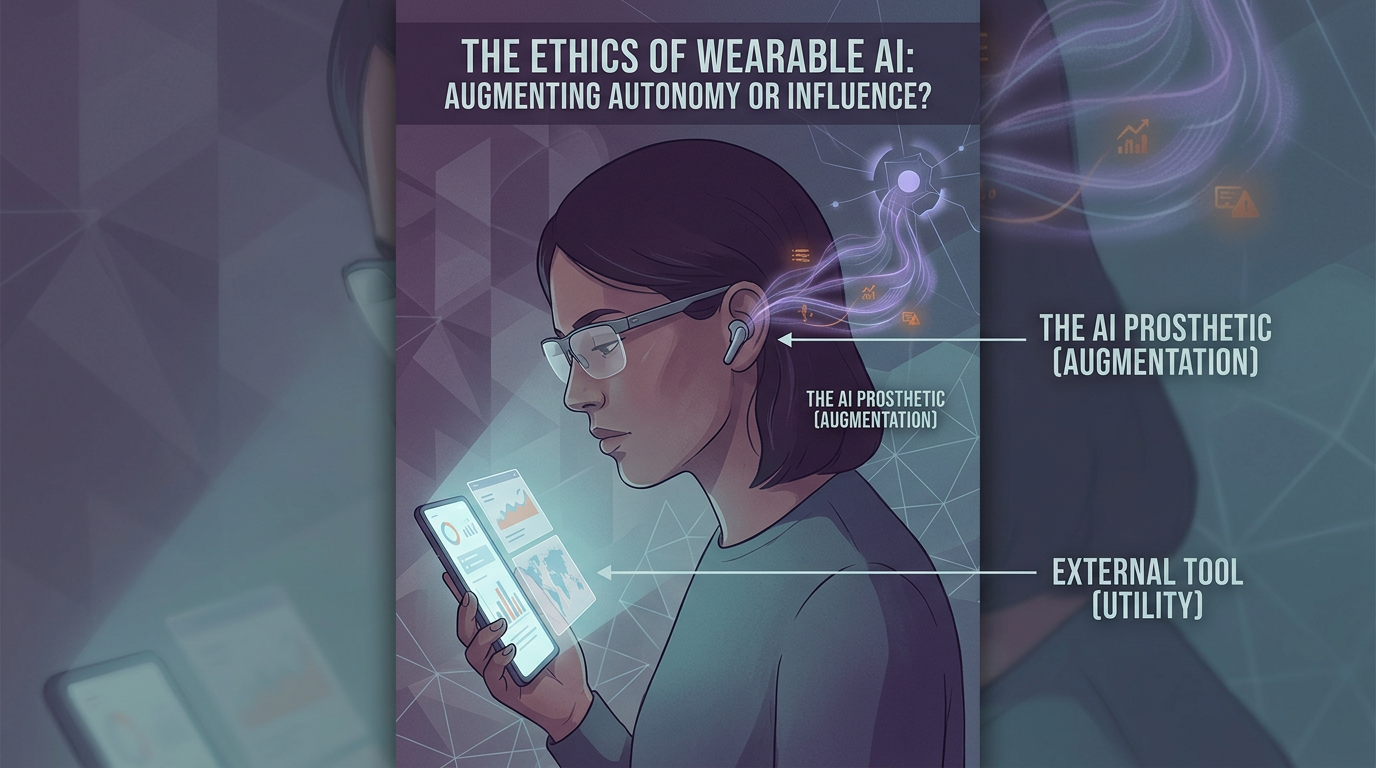
Das wahre Risiko von KI sind nicht Deepfakes – es ist das tägliche Flüstern in Ihrem Ohr
Das tiefere Risiko von KI sind nicht Deepfakes, sondern immer aktive Wearables, die tägliche Entscheidungen beeinflussen. Wenn eine getragene KI flüstert, was Sie kaufen sollen, wird es existenziell, die genannte Marke zu sein – nicht nur auffindbar.
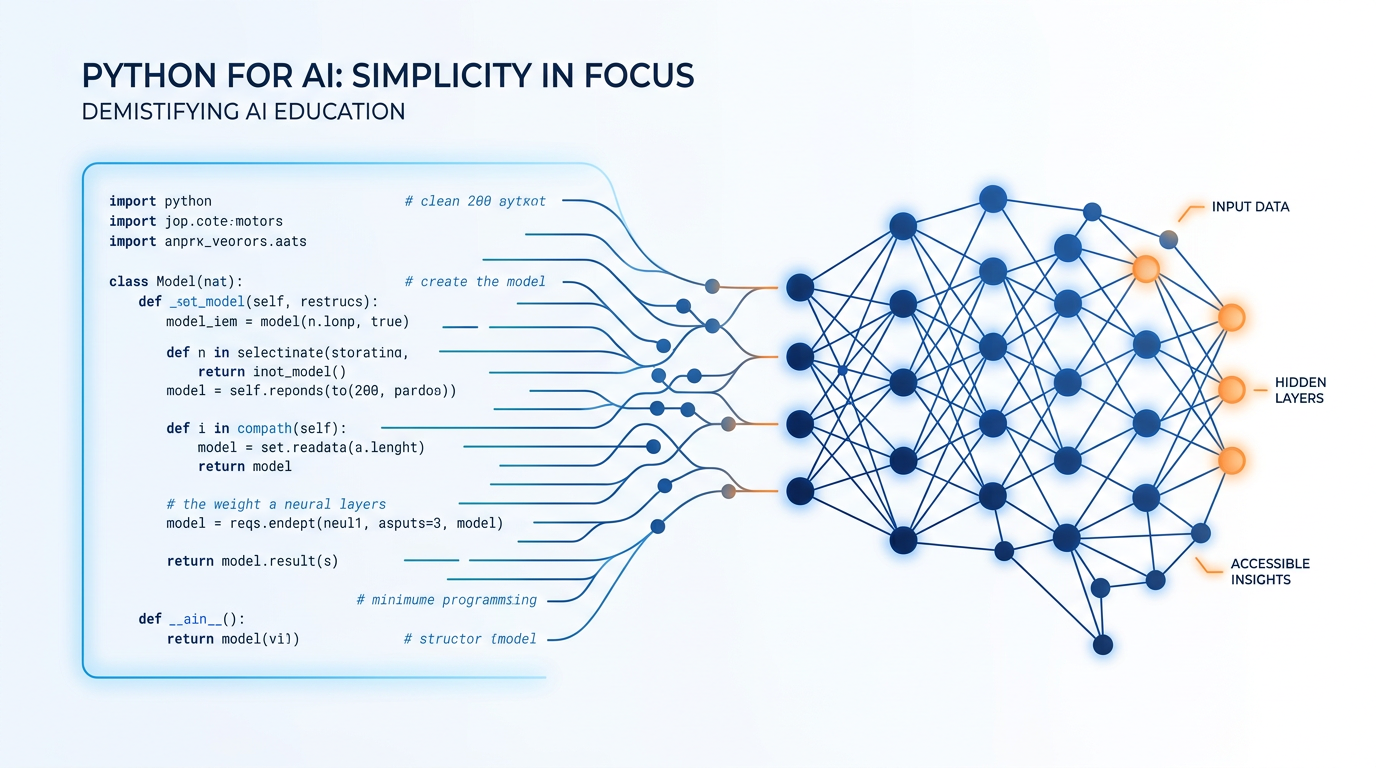
MicroGPT: Karpathys 200-Zeilen-GPT und warum es für Marketer wichtig ist, zu verstehen, wie LLMs funktionieren
Karpathys MicroGPT erstellt ein funktionierendes GPT in 200 Zeilen Python und trainiert ein Modell mit 4.192 Parametern – ein klarer Einblick in die Vorhersage des nächsten Tokens und warum KI Marken empfiehlt, für die sie starke Muster erkennt.

Der Billionen-Dollar-AI-Ausbau: Was $700 Mrd. in Rechenzentren für Marken bedeutet
Hyperscaler planen fast $700 Mrd. für Rechenzentren im Jahr 2026 innerhalb eines $3-4 Billionen schweren AI-Ausbaus; die Investition signalisiert, dass AI-gestützte Entdeckung nachhaltig ist und AI-Sichtbarkeit zu einer langfristigen Markenpriorität macht.
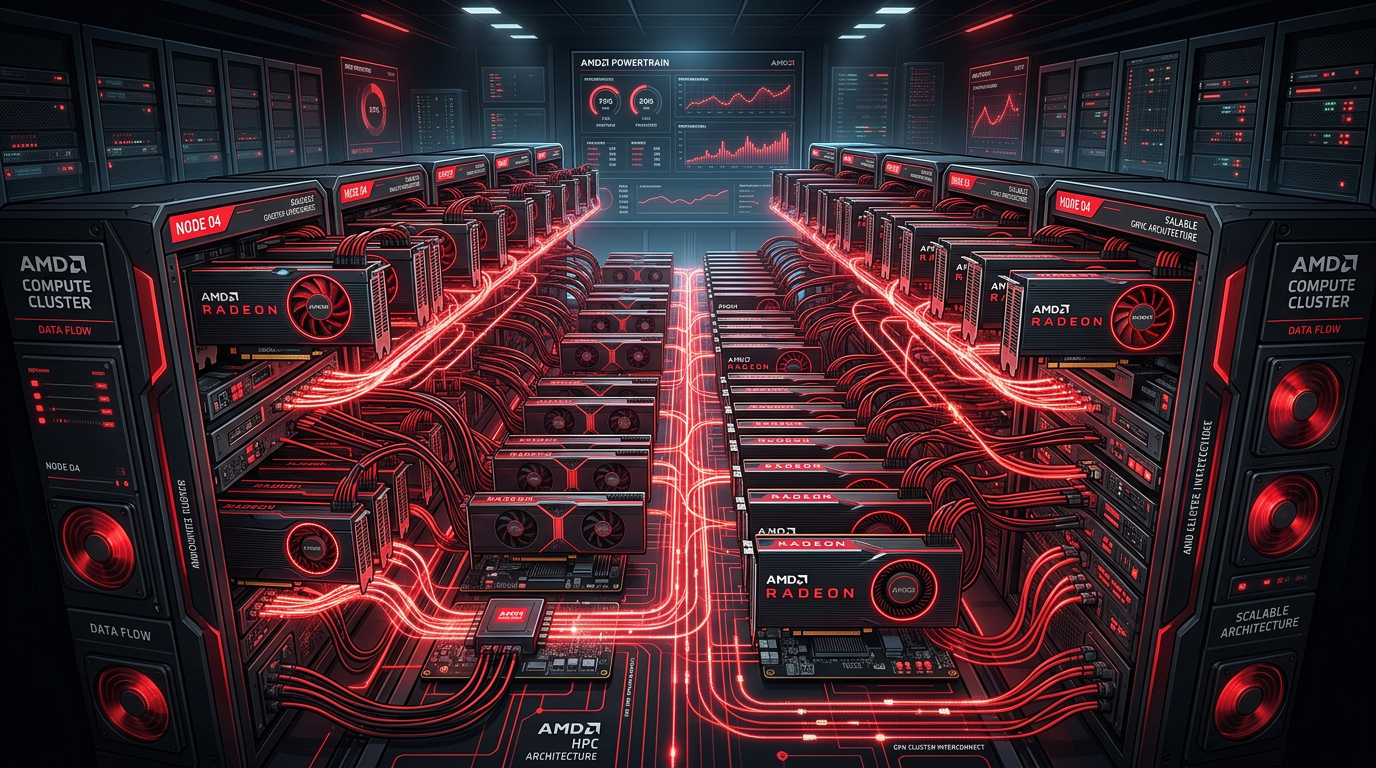
AMD betreibt ein Trillionen-Parameter-LLM auf Consumer-Hardware: Das Ende von NVIDIAs Monopol?
AMD hat das Trillionen-Parameter-Modell Kimi K2.5 auf vier Ryzen AI Max+ 395 Desktops (insgesamt 480 GB) ohne Cloud ausgeführt — ein Zeichen dafür, dass günstigere lokale KI die Plattformen vervielfacht, auf denen Marken sichtbar bleiben müssen.
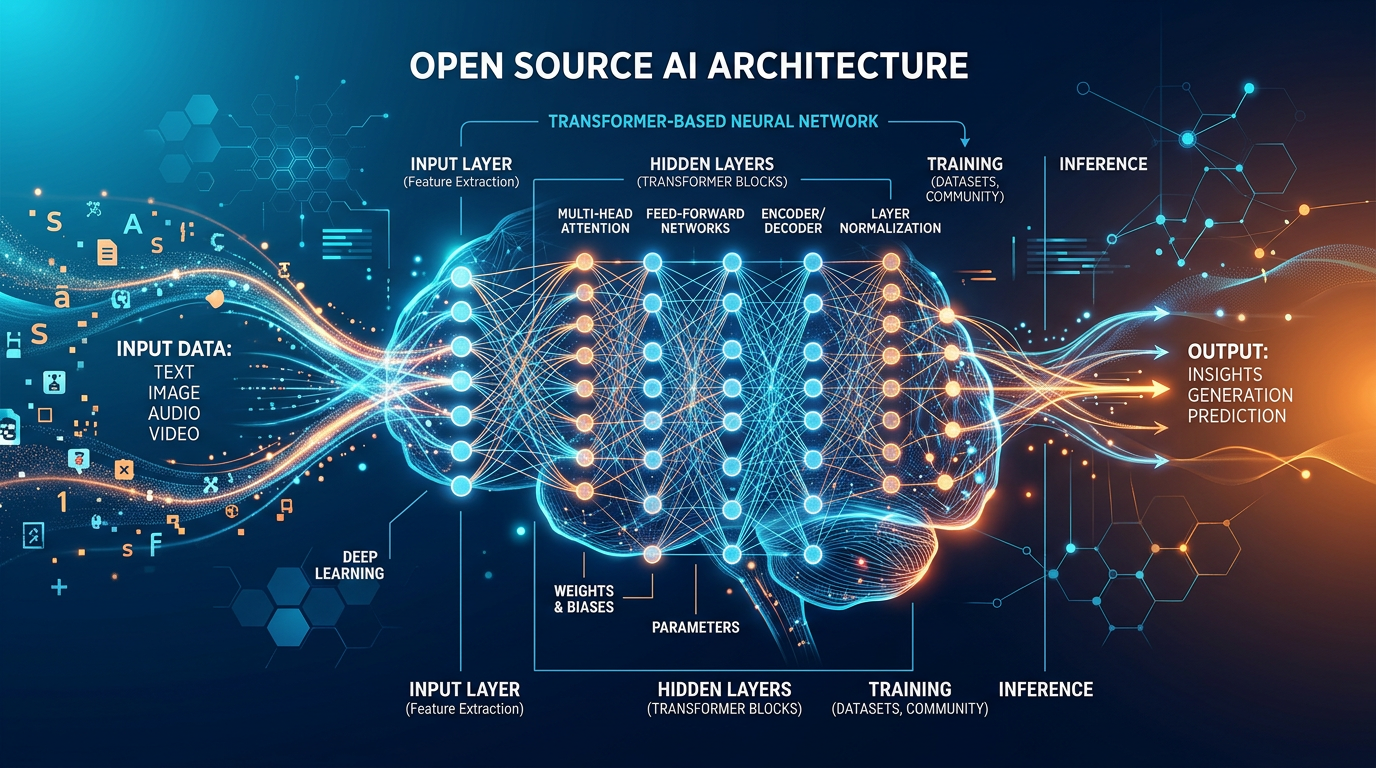
Alibabas Qwen3.5 läuft Frontier AI lokal — und übertrifft Claude Sonnet 4.5
Alibabas Open-Source-Modell Qwen3.5-35B-A3B verarbeitet über 1 Million Tokens Kontext auf einer einzigen 32-GB-Consumer-GPU und übertrifft GPT-5-mini, während es Claude Sonnet 4.5 bei MMMLU und MMMU-Pro schlägt — und fragmentiert, woher KI-Antworten über Ihre Marke kommen.
OpenAI entlässt Mitarbeiter wegen Insiderhandels auf Vorhersagemärkten
OpenAI hat einen Mitarbeiter entlassen, der vertrauliche Informationen auf Polymarket gehandelt hat — und Unusual Whales hat 77 verdächtige Positionen über 60 Wallets identifiziert, eine Lektion in Signalerkennung für das Verständnis des KI-Fußabdrucks Ihrer Marke.
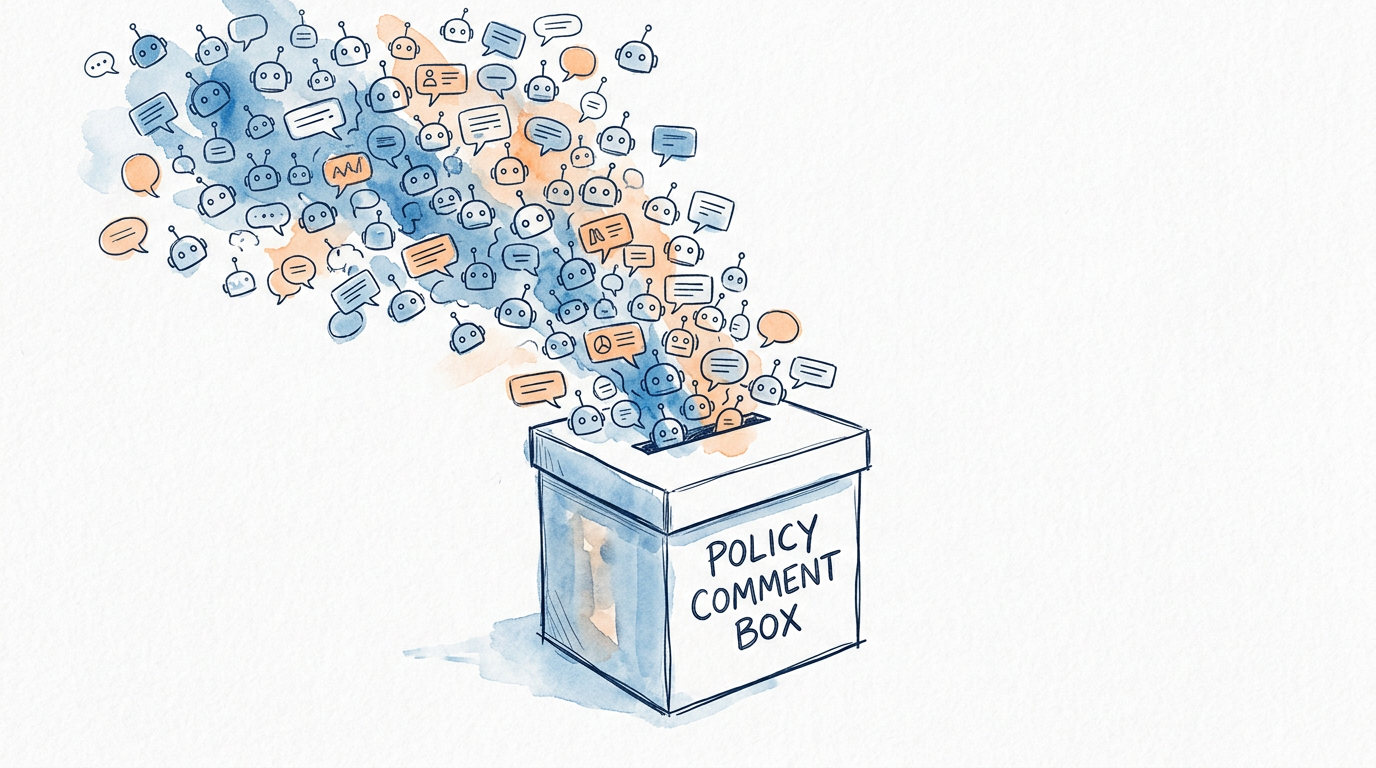
Wie 20.000 KI-generierte Kommentare Kaliforniens saubere Luftregeln zu Fall brachten
Kaliforniens SCAQMD kippte saubere Luftregeln, die 2.500 Todesfälle hätten verhindern können, nachdem über 20.000 KI-generierte Kommentare den Prozess überfluteten — eine Warnung vor der manipulierbaren Zitationsschicht unter jeder KI-Antwort.
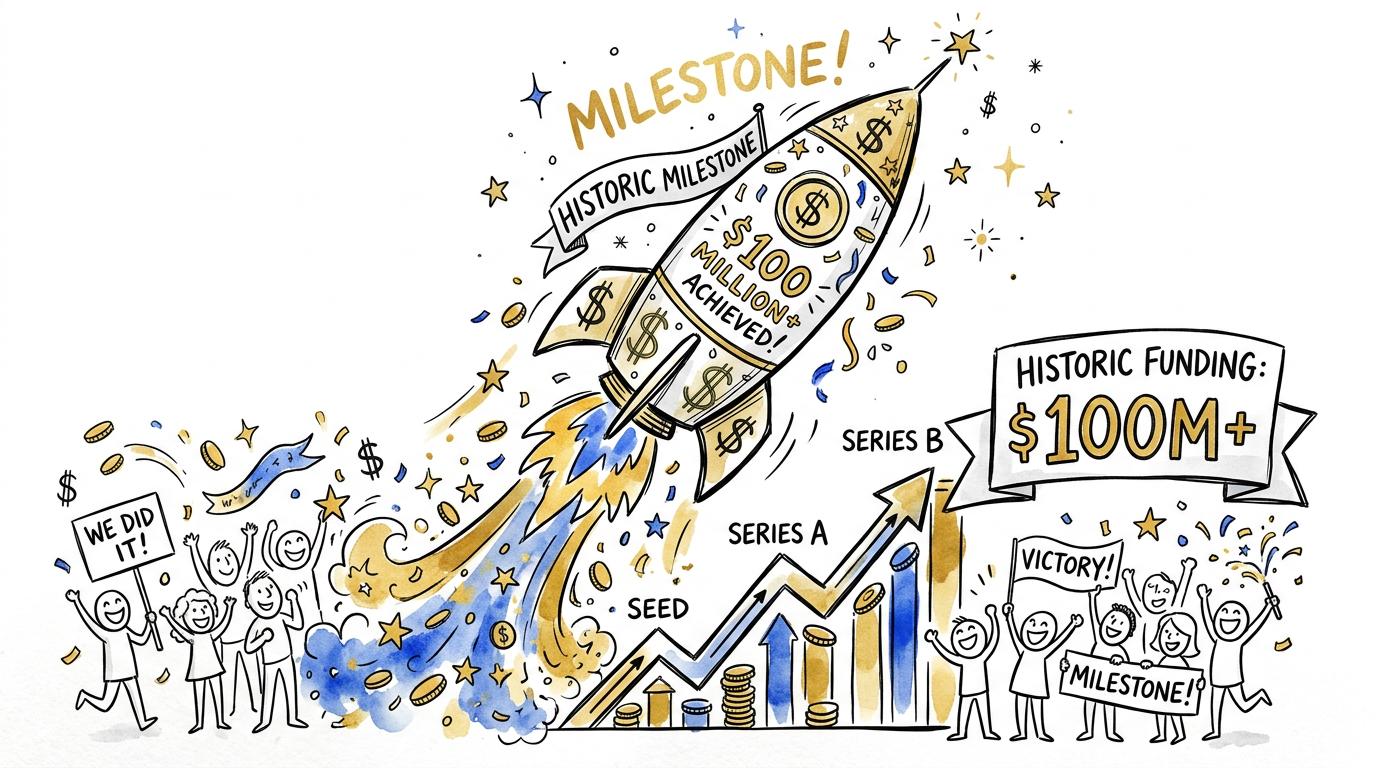
Inside OpenAIs 110-Milliarden-Dollar-Runde: Die Mechanik der größten privaten Kapitalbeschaffung der Geschichte
OpenAIs 110-Milliarden-Dollar-Runde bei einer Bewertung von 730 Milliarden Dollar ist tatsächlich eine Kette von Compute-Verpflichtungen von Amazon und Nvidia – hier ist die Struktur des Deals und sein GEO-Signal.
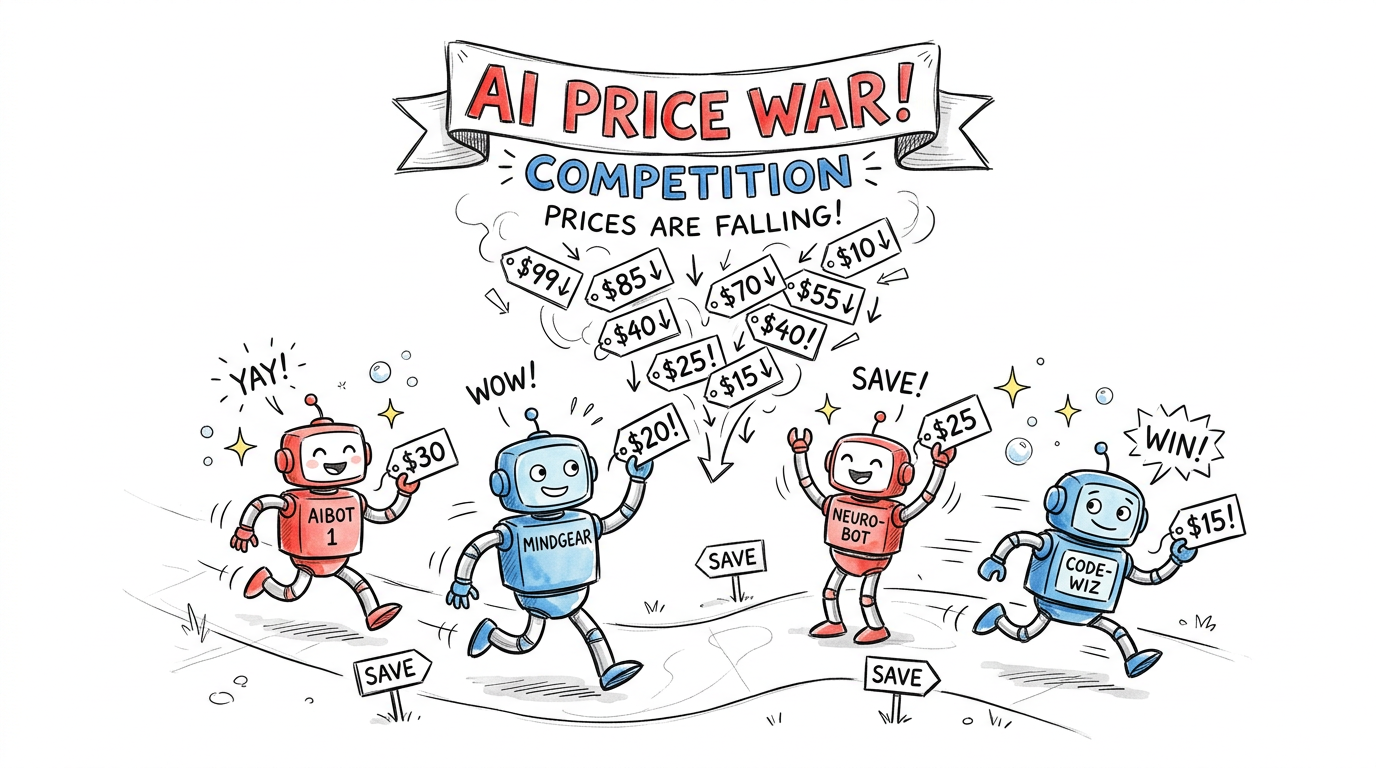
Der DeepSeek-Effekt: Wie ein globaler KI-Preiskrieg den Wandel zum KI-Shopping beschleunigt
DeepSeek setzte den Preis für Eingabetokens auf $0,07 pro Million fest und löste damit einen globalen Preiskrieg aus – günstige Inferenz drängt KI-Antworten in jede Oberfläche und vervielfacht die KI-Regale, die Marken gewinnen müssen.
Nach Tag durchsuchen
Nach Autor durchsuchen
Riven Gao is the founder of GEOly AI, building the GEO (Generative Engine Optimization) platform that helps Shopify and DTC brands get seen, cited and recommended by AI engines like ChatGPT, Gemini and Perplexity. He writes about AI search, agentic commerce and brand growth in the AI era.
Jake Ward is a UK growth entrepreneur behind Mentions.so (AI-visibility tracking), the SEO agency Contact.so, Byword.ai and Kleo. Famous for the 2023 viral 'SEO heist', he has since become one of the loudest voices on LLM SEO — 'get cited, not clicked' — sharing data-driven takes on how brands win visibility in ChatGPT, Perplexity and Google AI. Featured here as a guest expert; views are his own.
The GEOly editorial team covers GEO (Generative Engine Optimization), AI search and agentic commerce — insights, benchmarks and playbooks that help Shopify and DTC brands get seen, cited and recommended by AI engines.
GEOly News tracks the daily signals shaping AI search, agentic commerce and AI advertising — what OpenAI, Google, Meta, Shopify, Stripe and PayPal ship, and what it means for globalizing brands that want to be seen, cited and recommended by AI engines.
The GEOly Platform team publishes buyer guides and hands-on breakdowns of GEO/AEO tooling for e-commerce and DTC brands — how to pick a stack, what to measure (AIGVR, Share of Voice, Share-of-Card), and how to turn AI visibility into orders across Shopify, Wix, BigCommerce, WooCommerce and Squarespace.
The GEOly AI SEO team publishes SEO and search-visibility playbooks for the AI era — technical SEO, on-page and content optimization, AEO/GEO fundamentals, and how to rank, get cited and recommended across Google, AI Overviews and AI engines like ChatGPT, Gemini and Perplexity.
The GEOly AI GEM (Generative Engine Marketing) team covers advertising in the AI era — AI search ads, ChatGPT/Perplexity ad formats, agentic commerce monetization, campaign strategy and measurement — helping globalizing brands turn AI visibility into paid growth.
One of the strongest technical voices on AI search, relevance engineering, query fan-out, vector retrieval, and the future of SEO.
Publishes practical investigations into Google AI Overviews, citation quality, algorithm updates, and spam risks.
Creates accessible checklists, videos, and interviews on AI search, ecommerce SERPs, and technical SEO.
Growth Memo is one of the strongest recurring research sources on AI visibility, SEO strategy, citations, and growth.
Early AEO thinker focused on how search and AI systems understand entities, brands, and knowledge graphs.
Publishes clear frameworks on GEO, content distribution, Reddit, and becoming a cited source in AI answers.
Publishes analysis on AI search volatility, citations, prompt testing, and answer-engine visibility.
Highly active with practical posts on GEO case studies, AI Overview scorecards, and new SEO metrics.
Long-time SEO leader now focused on entity-first AEO and tools for improving brand visibility in LLMs.
WordLift CEO, strong technical voice on knowledge graphs, structured data, semantic SEO, and LLM grounding.
Publishes sharp analysis on zero-click search, AI Overviews, brand memorability, and strategic SEO adaptation.
Known for hands-on reverse-engineering of how AI search systems discover, use, and cite information.
Publishes in-depth German and English work on LLMO, GEO, E-E-A-T, patents, and brand context optimization.
CMO of Peec AI, former Idealo/Searchmetrics leader, focused on enterprise-scale AI visibility and SEO operations.
Known for technical experiments, algorithm analysis, and data-driven SEO testing including AI visibility work.
Long-time Google quality and algorithm analyst now writing about SEO in the Gemini and AI Overview era.
Strong strategic voice on how AI changes discovery, metrics, and the SEO profession.
Blends practical SEO, question data, AI tooling, and podcast education for search marketers.
Known for deep semantic SEO and topical authority frameworks that map well to LLM retrieval and AI answers.
Active voice on brand, AI search, and how AI changes organic visibility.
Runs experiments around AI crawlers and hybrid engine optimization, useful for technical GEO operations.
Profound co-founder focused on Agent Experience and what happens after traditional SEO.
Active curator and commentator on generative AI, SEO news, LLM outputs, and relevance engineering.
Practical enterprise voice on unifying SEO, AEO, GEO, and search-everywhere strategies.
Technical SEO and IR-focused thinker whose work maps well to AI retrieval and entity understanding.