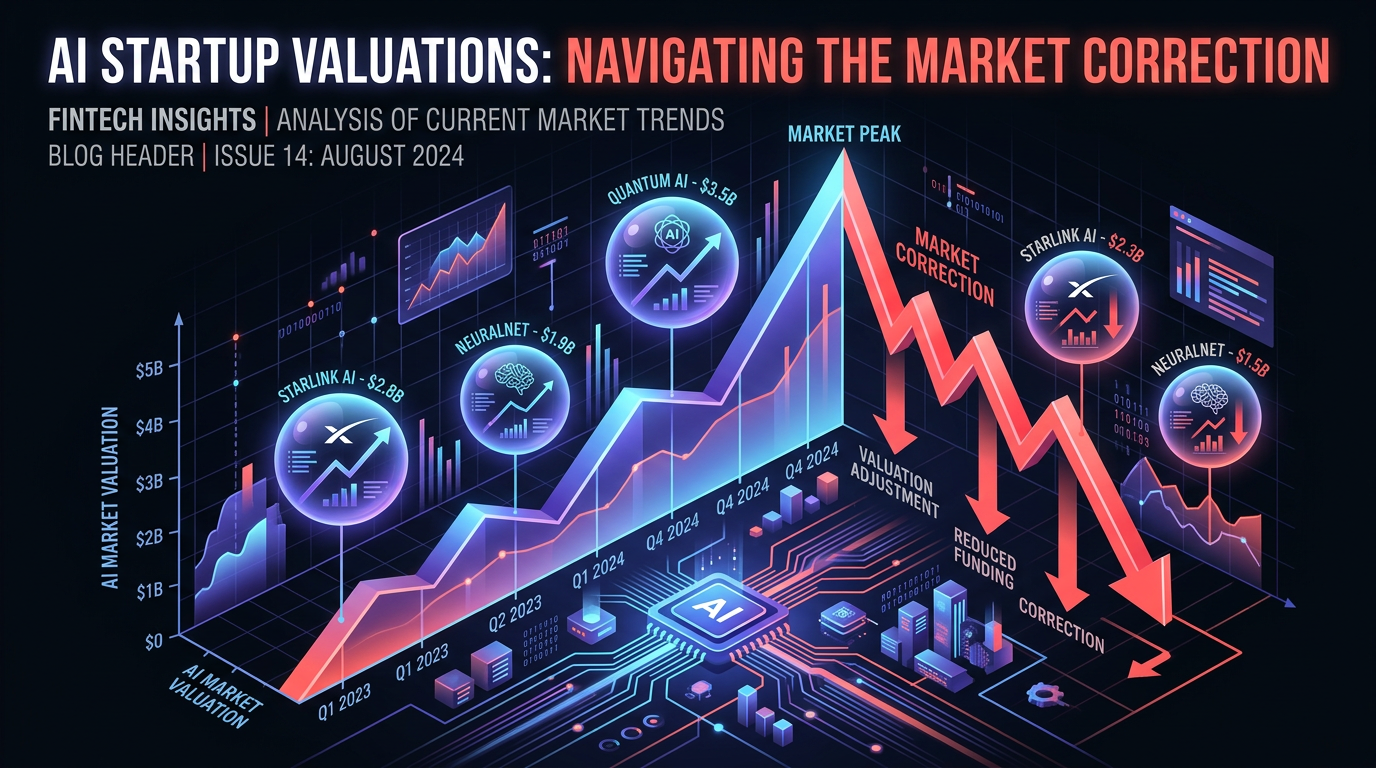
The AI gold rush is over; the reality check has begun. For three years, venture capital poured billions into anything with ".ai" in the domain, and startups with no revenue and a slide deck carried $100 million valuations. In 2026 the music stopped. Valuations are correcting, down rounds are routine, and the thousands of look-alike "AI startups" that flooded the market are facing an extinction event.
For anyone buying marketing and GEO software, this is not bad news. It is a filter.
Key takeaways
- The hardest-hit category is the thin wrapper: a nice interface on top of OpenAI's API, with no proprietary data and no unique model. - Three forces are killing them: getting Sherlocked when OpenAI or Google ship the same feature natively, having no moat when your core is an API call anyone can make, and margin compression from paying API costs while funding dries up. - As CFOs audit their stacks, spend is consolidating around platforms of record that own proprietary data, solve end-to-end workflows, and have a business model that survives next year. - For GEO buyers, the implication is direct: a tool that just asks ChatGPT "how's my brand?" is a wrapper. A queryable, proprietary dataset of how a whole category behaves across AI engines is infrastructure. - The shakeout rewards substance, so the right question for any GEO vendor is what they own that a model provider cannot ship as a feature next quarter.
Why thin wrappers are dying
The wrapper thesis was always fragile. If your entire product is a friendlier front end for a model you rent, you have a feature, not a business, and the model provider can absorb that feature at any time. OpenAI and Google keep proving it, shipping search, memory and data analysis that instantly obsolete standalone tools built on those exact gaps.
The economics finish the job. Wrappers pay API costs on every call while charging a flat subscription, a spread that only works while cheap capital papers over the margin. When funding tightens, the model breaks. What survives the correction is what always mattered: proprietary data, a real moat, and workflows deep enough that ripping them out would hurt.
The flight to substance
The correction is quietly good for serious buyers because it separates signal from noise. Budget owners are done paying for cool AI toys and are consolidating around platforms of record: tools that own proprietary data, solve an end-to-end job rather than a single task, and are structurally likely to exist in twelve months. The bar moved from "has AI" to "owns something AI providers cannot trivially replicate."
What this means for GEO
The GEO and AI-visibility tool market is riding the same wave that lifted every other AI category, which means it will face the same reckoning. A wave of look-alike trackers launched on one pattern: send a handful of prompts to ChatGPT, count your brand mentions, chart it. That is a thin wrapper wearing a GEO costume. It has no proprietary data layer, it breaks the moment a model provider surfaces citations natively, and it tells you nothing a manual prompt could not.
