The GEOly blog covers GEO (Generative Engine Optimization), AI search and agentic commerce — data-driven insights, benchmarks and playbooks on how brands get mentioned, cited and recommended across ChatGPT, Gemini, Perplexity and Google AI. Browse every topic by tag or author below.
All Posts

Expert Watch · Andrea Volpini — CEO, WordLift · Knowledge Graphs & Semantic SEO
WordLift CEO, strong technical voice on knowledge graphs, structured data, semantic SEO, and LLM grounding.

Expert Watch · Ana Perez — SEO Manager · Technical SEO, GEO & AI Search
Technical SEO manager with 9+ years across healthcare, finance, luxury, and ecommerce, now focused on GEO and AI search. She emphasizes structured content, well-formed headings, real user questions, and first-party data as the foundation for multi-channel AI visibility.

Expert Watch · Amanda Natividad — VP Marketing, SparkToro · Zero-Click Content
VP of Marketing at SparkToro and the marketer who popularized 'zero-click content.' Co-author of Zero Click Marketing with Rand Fishkin, and a leading voice on audience research and platform-native distribution.

Expert Watch · Amanda Jordan — Director of Digital Strategy, RicketyRoo · Local SEO
Director of Digital Strategy at local-SEO agency RicketyRoo and a frequent conference speaker, Amanda focuses on reviews, Google Business Profile, and entity consistency across surfaces — the groundwork for showing up in AI local recommendations.
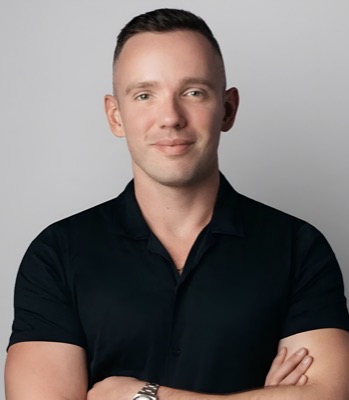
Expert Watch · Alex Halliday — Co-founder & CEO, AirOps · Content Engineering for AI Search
Co-founder and CEO of AirOps, a content-orchestration platform for AI-driven marketing. Advocates 'content engineering' — multi-step AI workflows with data and human review — as the way to produce content that gets cited and scales without slop.

Expert Watch · Aimee Jurenka — SEO & AI Visibility Strategist, RicketyRoo · Founder, SEO Sustainable · Entity SEO
Entity-SEO and AI-visibility strategist at RicketyRoo and founder of SEO Sustainable. Creator of the Mention Rate tool and a Topic Entity Schema generator, she argues brands should stop chasing prompts and start tracking entity presence.