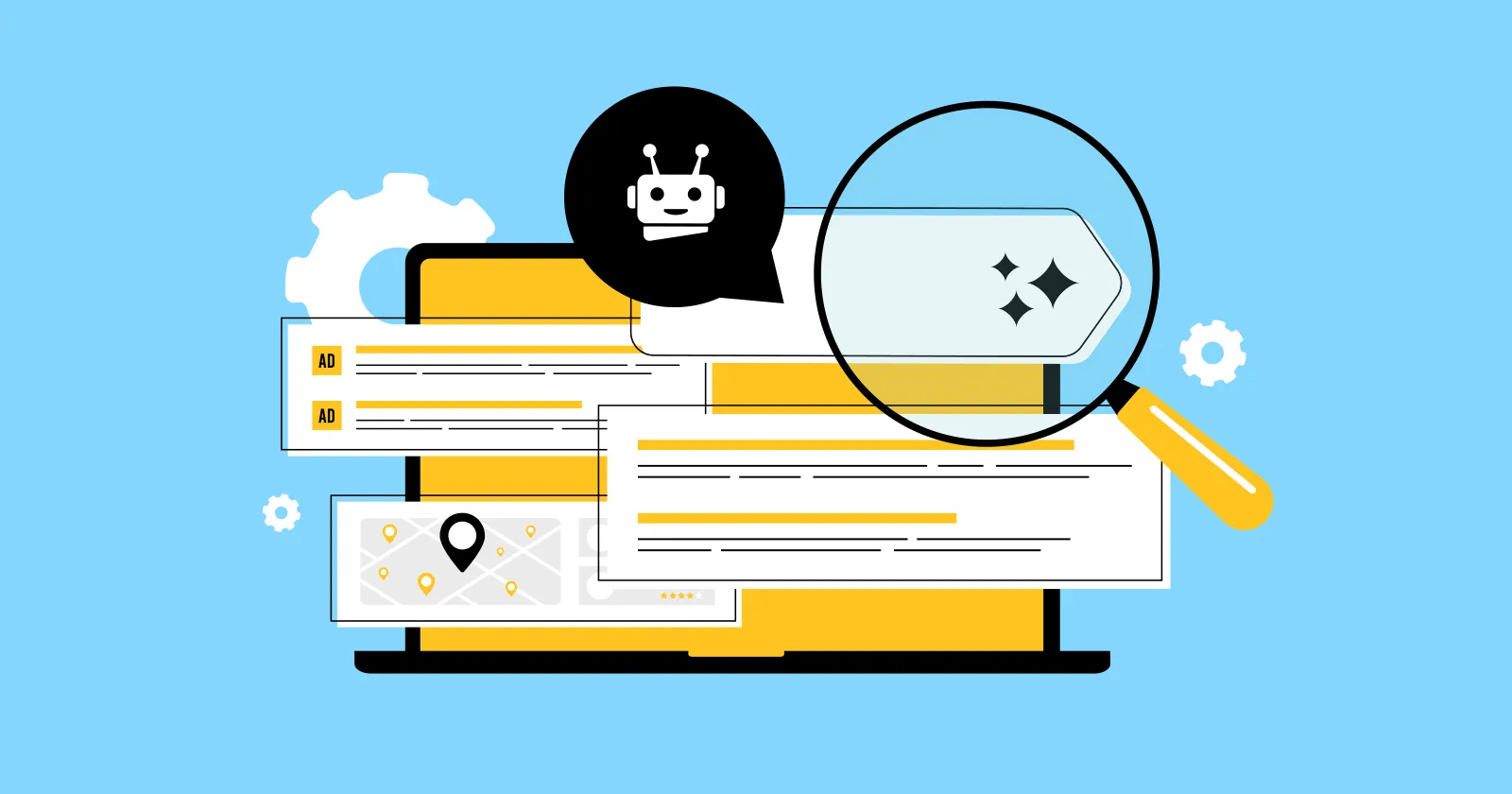
Ever wondered: When a potential customer asks ChatGPT or Perplexity, "What is the best [your industry] product?", does the AI mention your brand?
If the answer is "I don't know" or "No," you are leaving money on the table.
Welcome to the world of GEO (Generative Engine Optimization). This isn't about ranking #1 on Google anymore; it's about becoming the "best answer" the AI generates.
Today, we’re cutting through the noise. Here is how to make AI engines find you, understand you, and cite you as an authority.
TL;DR (Too Long; Didn't Read):
- Structure is Key: Make your content easy for AI to parse.
- Build Entity Authority: Create strong associations between your brand and your niche.
- Open the Gates: Don't block AI bots in your
robots.txt.- Track Your Wins: Use GEOly to monitor your visibility in the AI world.
1. Speak Like an Expert, Structure Like an Encyclopedia
AI models (LLMs) don't just read keywords; they crave structure. If you bury your simple points in complex paragraphs, AI might just skip over them.
The Strategy:
- Direct Answers: AI loves definitions. If your post is about "CRM," your first sentence should be "CRM is..." This structure is candy for AI extraction.
- Use Lists and Bullets: Just like this blog post. Humans love lists, and AI training data heavily favors this high-density structure.
- Cite Data: AI needs proof. Provide unique industry data or survey results, and your chances of being cited skyrocket.
2. Context is King: Build "Entity" Authority
Traditional SEO is about matching keywords. GEO is about building Entity Association. You want the AI to automatically associate your brand with a specific topic.
- Example: Don't just say, "We sell the best coffee." Say, "Our beans are sourced from the Yirgacheffe region of Ethiopia and undergo a 48-hour slow fermentation process..."
- Details Matter: Feed the AI rich, accurate attributes. The more specific details you provide, the easier it is for the AI to construct an answer citing you.
3. Technical Check: Don't Lock the Robots Out
It sounds basic, but many companies mess this up. If your website blocks AI crawlers, you are effectively choosing to be "invisible" in this new era.
- Check Your Robots.txt: Ensure you aren't blocking
GPTBot(OpenAI),Google-Extended, orClaudeBot(Anthropic). - Speed Wins: AI crawlers have limited budgets. Slow-loading pages get dropped first. Optimize your server response time.
4. The Blind Spot: You Don't Know What AI is Saying (Until GEOly)
Here is where most marketers get stuck.
On Google, you have Search Console to see your rankings. But in the AI world, how do you know if ChatGPT is praising you or ignoring you? It’s like shooting arrows in the dark.
This is why you need GEOly.
GEOly is your radar for the AI age. It solves the biggest problem in GEO: Measurement.
- Visibility Tracking: See how often your brand is mentioned across different AI engines.
- Sentiment Analysis: Is the AI recommending you, or just remaining neutral?
- Benchmarking: Find out why the AI is recommending your competitor instead of you.
Simple truth: If you can't measure it, you can't optimize it. GEOly takes the guesswork out.
5. The Secret Weapon: Information Gain
The internet is flooded with repetitive content. AI has read thousands of generic "how-to" articles.
To get cited, you need to provide Information Gain.
- Contrarian Views: Everyone says "A" is true. Do you have data that suggests "B" is also possible?
- Expert Quotes: Interview real subject matter experts. AI tends to cite authoritative figures.
- Coin a Term: Create your own concept. When users search for that specific term, the AI has to cite you.
FAQ
AI search engines love this Q&A format, increasing your chances of a direct citation.
What is GEO (Generative Engine Optimization)?
GEO is the process of optimizing content for generative AI engines (like ChatGPT, Google AI Overviews) to increase brand visibility and citation rates in AI-generated responses.
Why can't I see my AI search ranking?
Unlike traditional search engines, AI doesn't have a fixed "ranking page." You need specialized tools like GEOly to simulate and track brand performance in AI responses.
What is the difference between SEO and GEO?
SEO focuses on getting links to appear on a Search Engine Results Page (SERP); GEO focuses on getting content understood and synthesized into a direct answer by AI.
Conclusion: The Future is Now
The search game has changed. We used to optimize for algorithms; now we optimize for intelligence.
By structuring your content, providing unique data, and keeping your technical doors open, you can grab the early advantage in AI search.
Don't forget the final piece of the puzzle: Use GEOly to track your results. Don't let your brand go invisible in the Age of AI.
Ready to make AI your brand ambassador?
