Hey everyone! If you’ve been paying attention to digital marketing lately, you’ve probably noticed a massive shift: the way people search for information has completely changed.
It used to be simple. We’d type a few keywords into a Google search bar and hunt for answers in a sea of blue links. But now? People are asking questions directly to ChatGPT, Gemini, or Perplexity—and they expect a complete, straightforward, conversational answer right on the spot.
This massive shift has given birth to the marketing world's new darling: Generative Engine Optimization (GEO).
But how exactly does GEO work? And as a brand or content creator, how can you grab your slice of the pie in this new AI-driven world? Don't worry—we’re not going to bore you with confusing code or algorithm jargon today. We’re going to break down the mystery of GEO in the simplest terms possible.
What is Generative Engine Optimization (GEO)?
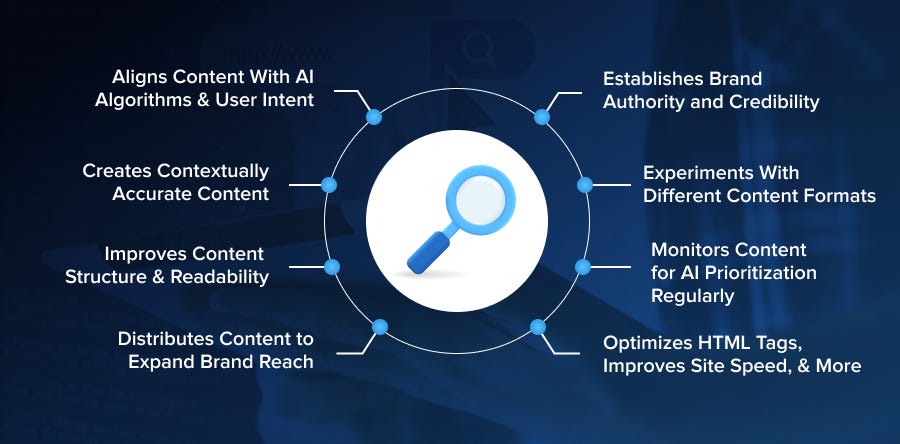
Simply put, GEO is a set of strategies designed to make your content easier for Artificial Intelligence (AI) to find, understand, and recommend as a cited source.
Traditional SEO (Search Engine Optimization) is all about pleasing traditional search engines so you rank higher on a results page. The goal of GEO, on the other hand, is this: when a user asks an AI a question, you want that AI to mention your brand and provide a source link to your website in its generated answer.
How Does GEO Work? (The 3 Simple Steps of AI Search)
To figure out how to do GEO right, we first need to understand how an AI search engine's "brain" processes information. Generally, it breaks down into three steps:
1. Crawling & Ingesting (Where does AI learn?)
Just like traditional search engines, AI reads a mountain of information across the internet. But the difference is that AI "ingests" this information into its own massive knowledge base. It’s not just looking at your website; it’s reading major news outlets, industry forums, and authoritative reports.
- The GEO Fix: You need to get your content featured on high-quality platforms that AI frequently crawls, and you must ensure your website is incredibly machine-readable.
2. Intent Understanding (How does AI understand us?)
This is AI's true superpower. Traditional search just matches "keywords." For example, if you search "apple," it might not know if you want the fruit or the iPhone. But AI understands context. It analyzes the true intent behind a user's question to give the most relevant answer.
- The GEO Fix: Ditch the awkward keyword stuffing! Your content needs to sound like a real expert answering a specific question directly and clearly.
