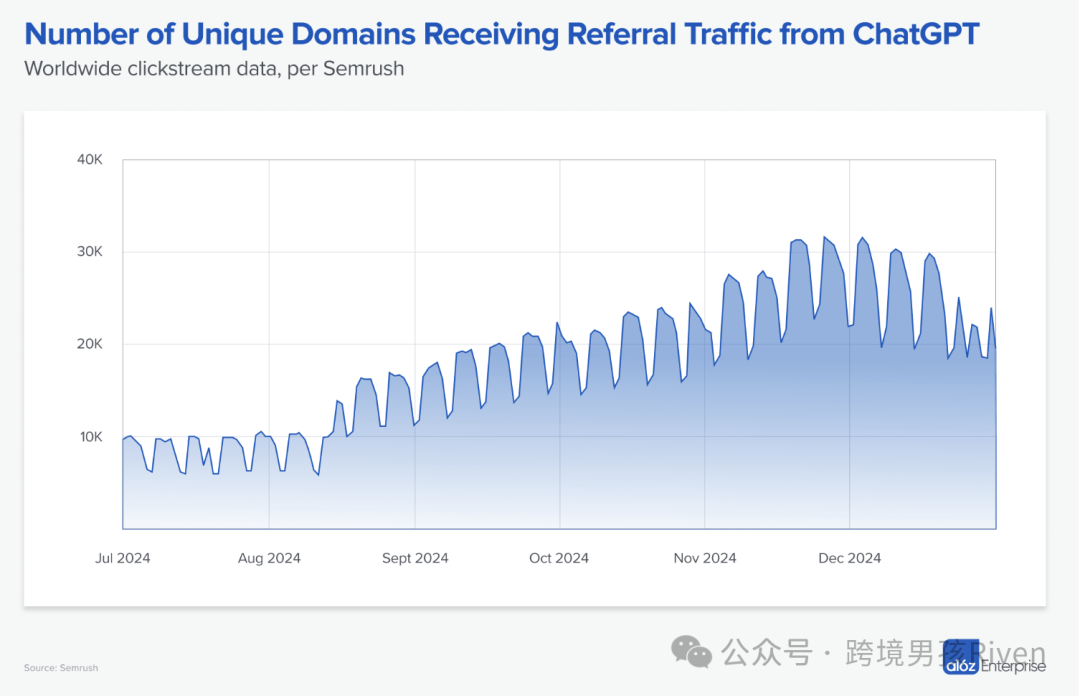
Today, I want to take a deep dive into a major trend that is reshaping the digital marketing landscape: the shift from traditional Search Engine Optimization (SEO) to the brand new Generative Engine Optimization (GEO).
When we talk about digital marketing, SEO has been the main character for the last 20 years. But in 2025, the landscape of search is undergoing a fundamental change, moving from traditional browsers to Large Language Model (LLM) platforms.
With Apple announcing the integration of AI-native search engines like Perplexity and Claude directly into Safari, Google's distribution monopoly is being challenged. This means the $80 billion+ SEO market is facing a radical transformation.
From Links to Language Models
Traditional search is built on links, while GEO is built on language.
- The SEO Era: Visibility meant ranking high on a results page. Page rank was determined by indexing websites based on keyword matching, content depth and breadth, backlinks, user engagement, and more.
- The GEO Era: With LLMs like GPT-4o, Gemini, and Claude becoming the interface for finding information, visibility means appearing directly inside the answer itself, not just ranking at the top of a list of links.

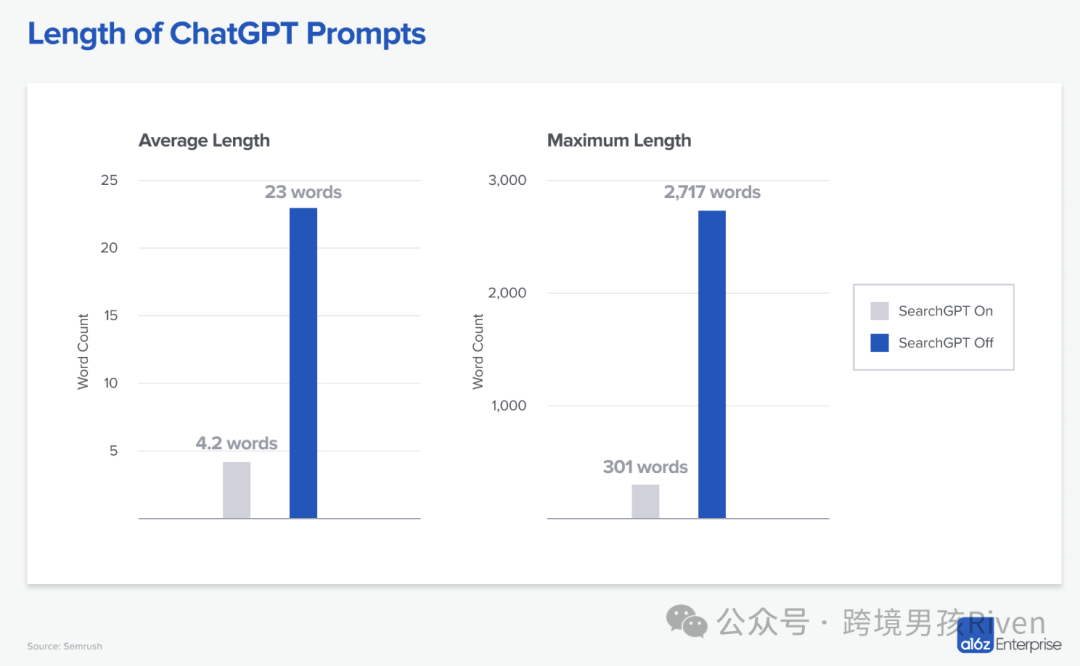
As the answer format changes, so does the way we search. AI-native search is fragmenting across platforms like Instagram, Amazon, and Siri, each driven by different models and user intents. Queries are getting longer (averaging 23 words instead of 4), sessions are deeper (averaging 6 minutes), and responses vary based on context and source.
Unlike traditional search, LLMs can remember, reason, and respond in a personalized, synthesized way using multiple sources. This fundamentally changes how content is discovered and how it needs to be optimized.
From Ranking to Model Relevance
Today, brand visibility isn't just about Click-Through Rate (CTR), it's about Citation Rate: how often your brand or content is cited or used as a source in model-generated answers.
In a world of AI-generated output, GEO means optimizing for the model to "choose" to cite your content, not just whether or where you appear in traditional search results. This shift is redefining how brand visibility and performance are measured.
New platforms like Profound, Goodie, and Daydream already allow brands to analyze how they appear in AI-generated responses. These platforms fine-tune models to mirror brand-related prompt language, strategically inject top SEO keywords, and run synthetic queries at scale.